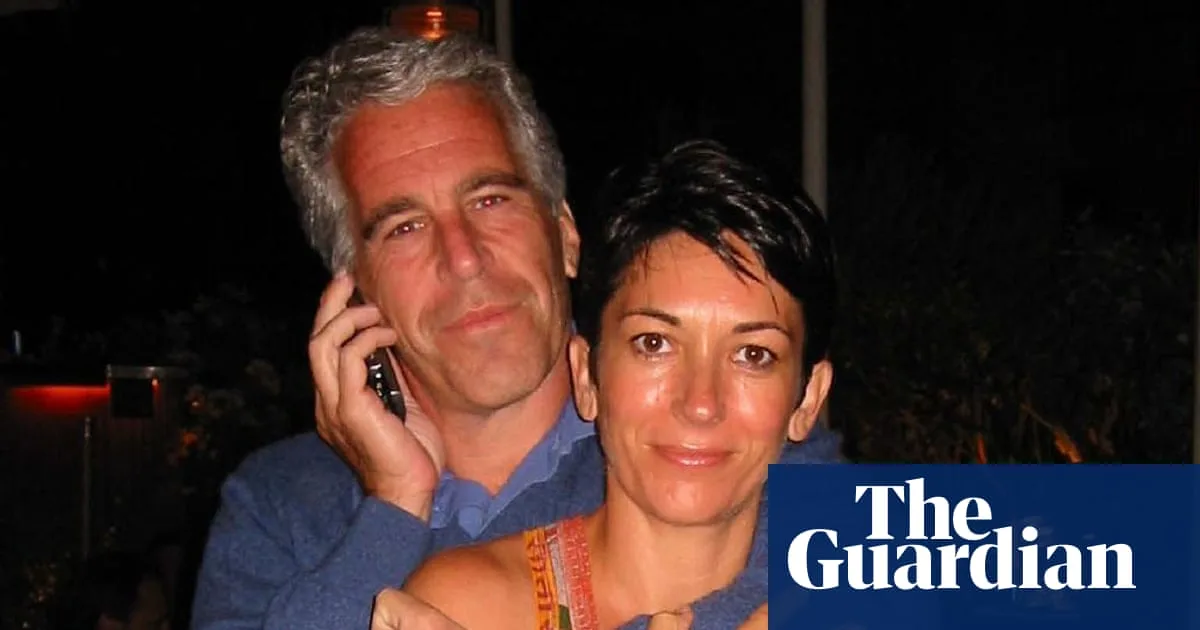
The release of grand jury transcripts from the criminal proceedings against Jeffrey Epstein and Ghislaine Maxwell has been blocked by a federal judge, who described the documents as lacking significant new information. Manhattan judge Paul Engelmayer rejected the Department of Justice's request to unseal them, stating that anyone expecting bombshell revelations 'would come away feeling disappointed and misled'. The ruling has reignited debate over whether other investigative files on Epstein will ever be made public.
Former federal prosecutor Neama Rahmani noted that Attorney General Pam Bondi and FBI Director Kash Patel have the legal authority to release non-grand jury documents, but may be holding back for political reasons. 'They hold the key,' Rahmani said, adding that a 'treasure trove of information' likely exists within the Department of Justice. However, he expressed scepticism that the files would ever be disclosed, given the administration's reluctance.
Victims' advocates have called for full transparency, arguing that the Trump administration could release all documents by executive order. Spencer Kuvin, a lawyer for multiple Epstein victims, said the administration is 'more worried about protecting their friends who socialized with these criminals' than helping victims. The documents could shed light on connections between Epstein and powerful figures, including Donald Trump and Bill Clinton.

Political analysts are divided on whether the failure to release the files will harm Trump. Susan MacManus, a political science professor, suggested that while some Republicans may lose interest, a 'smaller cohort of ultra-conservative Republicans' is dissatisfied with the lack of transparency. She noted that some believe 'ultimately, at least some of this stuff will come out', potentially implicating figures from both parties.