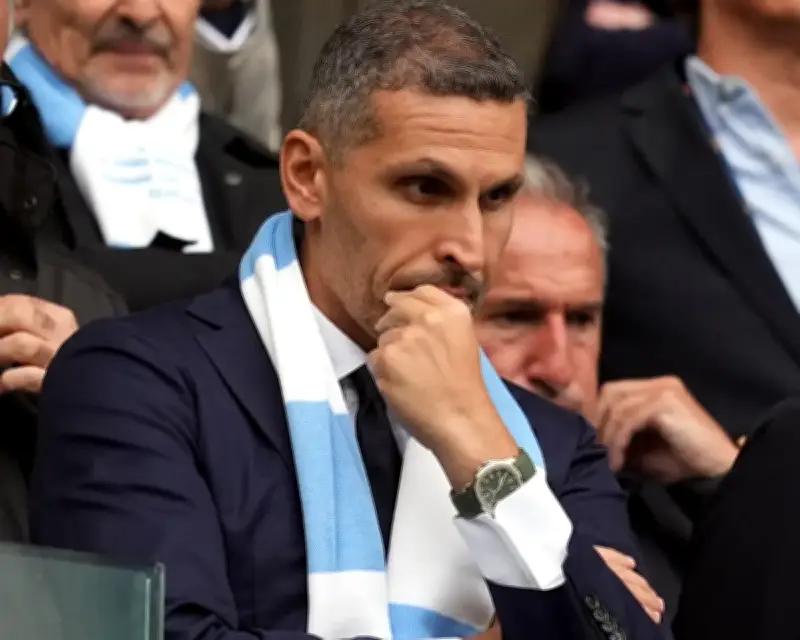
Manchester City's chair, Khaldoon al-Mubarak, is central to Abu Dhabi's project of becoming a secure world power, but his aggressive stance on the club's financial charges may force the sale of the club.
Al-Mubarak, who has led City's confrontational approach with football authorities, was born into a family deeply tied to the UAE's founding. His father, ambassador Khalifa Ahmed Abdel Aziz al-Mubarak, was assassinated in Paris in 1984 by a Palestinian terrorist group led by Abu Nidal, described by the CIA as the most dangerous and effective of all terrorist groups before Hamas. The murder was justified in a phone call accusing the UAE of being too soft on the west.
Family legacy and role in Abu Dhabi
Al-Mubarak's grandfather, Ahmad Bin Abdul Aziz al-Mubarak, was chair of Abu Dhabi's Sharia judicial department and senior adviser to Sheikh Zayed bin Sultan al-Nahyan, the UAE's founding president. Both his grandfather and father have streets named after them in Abu Dhabi, with his father honoured as a martyr.
Al-Mubarak has served as chief adviser to the UAE president and Abu Dhabi ruler, Sheikh Mohamed Bin Zayed al-Nahyan, since graduating from Tufts University. According to a Financial Times source, he is "diplomatically in charge of the UK file as well as the China file" and is the main liaison with the US administration, with diplomatic immunity in the UK.
Confrontational stance on City charges
According to Manchester City's lawyer Simon Cliff, al-Mubarak dictated the club's aggressive stance. In 2014, while fighting a Uefa charge, Cliff wrote in leaked documents: "Khaldoon says he would rather spend £30m on the 50 best lawyers in the world and sue them [Uefa] for the next ten years than agree a financial penalty."
City eventually backed down, agreeing a small fine and transfer restrictions with Uefa, unlike Paris Saint-Germain, which accepted punishment and built a successful team. Al-Mubarak's continued fighting may have broken an ambassador's cardinal law: don't embarrass your boss. If City lose their appeal, al-Mubarak may be instructed to organise the sale of the club.
Potential sale and wider impact
Christopher Davidson, author of Abu Dhabi, Oil and Beyond, says, "I've been told by some [in Abu Dhabi] that it will be the case. I can't see any reason why they would stick around and try to rebuild the reputation after this. It's embarrassing the royal family now." He adds that Abu Dhabi will likely play out the appeal but then seek a quiet retreat to avoid being declared unfit owners.
In June, al-Mubarak said "these sorts of jewels, you don't sell" and there was "only intention to keep growing this". However, Davidson believes the threat to UK-Abu Dhabi relations is overstated, citing investments in renewable energy and the International Holding Company's UK interests, including the Ivy restaurants.
The UK signed a free trade agreement with Gulf states, including the UAE, in May, worth £3.7bn a year. Davidson says, "There's no prospect any of this is going to be interfered with." Al-Mubarak may emerge untarnished, as City is a small part of his portfolio. Davidson suggests poor advice led to missteps, saying, "It may be important to us in the UK but Man City has been a peripheral project [for Abu Dhabi]."