

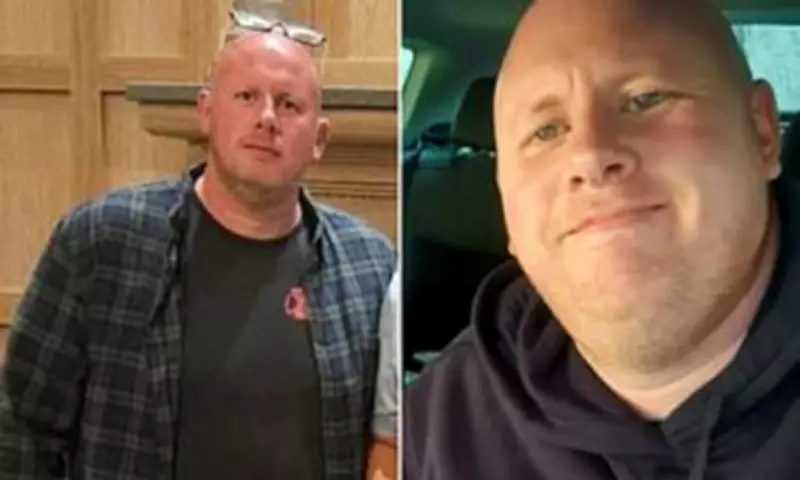
A father who endured seven years of gruelling and unnecessary treatment after doctors misdiagnosed him with terminal cancer is suing for medical negligence. Simon Pearson, 41, feared for the worst after being told his extreme tiredness was a symptom of a rare and incurable disease.
The Misdiagnosis
He was diagnosed with polycythaemia vera, a slow-growing blood cancer, and haemochromatosis, a genetic condition causing toxic iron buildup, after being referred to George Eliot Hospital in Nuneaton, Warwickshire, with a high red blood cell count and abnormal iron levels. Fearing he had fatal cancer, Simon—who has a phobia of needles—underwent 42 injections to drain blood from his body.
Discovery of the Error
It was only more than seven years later, during a routine appointment in June 2024, that a nurse raised concerns. Tests later confirmed he had none of the conditions. Simon has now launched legal action with medical negligence lawyers Irwin Mitchell after the Trust admitted a breach of duty, accepting that proper care could have avoided the 42 procedures carried out between 2017 and 2025.

Impact on Simon's Life
The business director is seeking support for the psychological impact as well as losses, including earnings and higher insurance costs. A separate patient safety probe found he was 'subjected to clinical practice that has caused harm' and uncovered no medical evidence to support the diagnoses. Simon, who lives with his wife Rachel, 41, and sons Alfie, 19, and Freddie, 16, said he was left 'terrified' he would die. 'For years I was in and out of hospital, believing I had a condition that could eventually kill me—sometimes lying awake all night, terrified,' he said. 'There was also the fear that it was genetic and something I could pass on to my children. I felt so guilty and constantly worried about their future.'
Legal Action and Apology
His lawyer Victoria Zinzan said: 'Simon spent years believing he was living with a serious and potentially life-limiting illness, undergoing repeated and inappropriate hospital procedures, which caused him harm. The past few years have taken a significant financial, physical and emotional toll on Simon, who remains shocked and upset at what he's had to endure.' The hospital has apologised and said measures have been taken to prevent a similar misdiagnosis. Dr Naj Rashid, chief medical officer for George Eliot Hospital NHS Trust, said: 'I would like to offer our sincere apologies to Mr Pearson for the failings in the care he received from us. Mr Pearson's care had undoubtedly fallen below our usually high standards and caused significant distress to him. We are working with him to ensure he has our full support going forward. The Trust has carried out a thorough investigation into what went wrong and have put in place actions to address issues identified to ensure this is not able to happen again.'






