
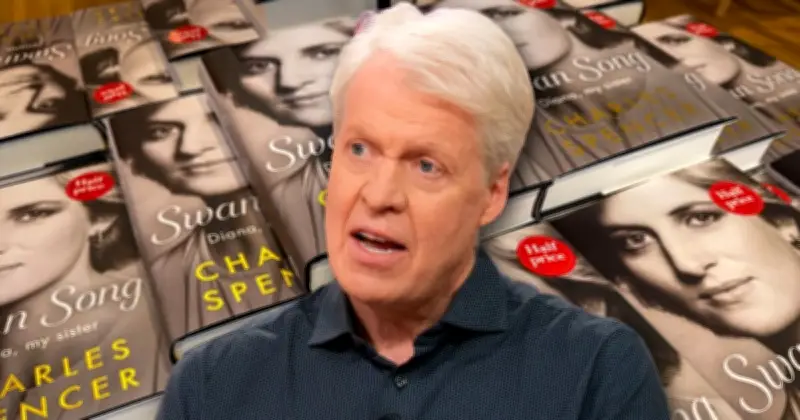
Earl Spencer has handed his critics the exact weapon they needed, writes Alicia Liberty in an opinion piece. One factual blunder is enough to make every explosive claim in his memoir worth a second look.
Piers Morgan exposes a basic error
Spencer linked Piers Morgan to the publication of intrusive photographs of Diana exercising at a gym in 1993, suggesting this helped explain Morgan's alleged reaction when he was told he was not welcome at her funeral. The problem, according to the article, is that Morgan was working at The Sun at the time and did not join the Daily Mirror as editor until October 1995 - a basic chronology check that should have killed the claim before it ever reached print.
Spencer later apologised, admitted his assumption was wrong and dismissed it as a "small error" that would be corrected in the second edition. But the article questions how an error that simple made it through a book built around explosive recollections of Diana, the King and events almost 30 years ago.
Uncheckable claims become harder to swallow
Elsewhere in the memoir, Spencer claims the then-Prince Charles told him "we'll forget her soon enough" after Diana's death and sounded "giddily elated" in the aftermath of the Paris crash - allegations Buckingham Palace has strongly rejected, while Spencer insists his memory is accurate. Those conversations happened behind closed doors, meaning readers cannot test them against documents, dates or employment records in the way Morgan could demolish the 1993 claim.
Morgan has not disproved Spencer's wider account, but he has given readers a concrete reason to question just how much of this memoir should be accepted at face value.
Spencer cannot ask for trust while cashing in
Spencer says he wrote the book because he felt a duty as an "eyewitness to history" and wanted to record what he believed to be true. The article argues that if you are going to reopen Diana's final years, publish explosive claims about the King and profit from a book built around her death, then the burden of accuracy has to be enormous.
Morgan has said he still intends to pursue legal action despite Spencer's apology and continues to dispute Spencer's account of their funeral-related phone call. The article concludes that once one supposedly solid detail cracks, every sensational claim in the book comes with the same question - what else are we simply being asked to believe?




