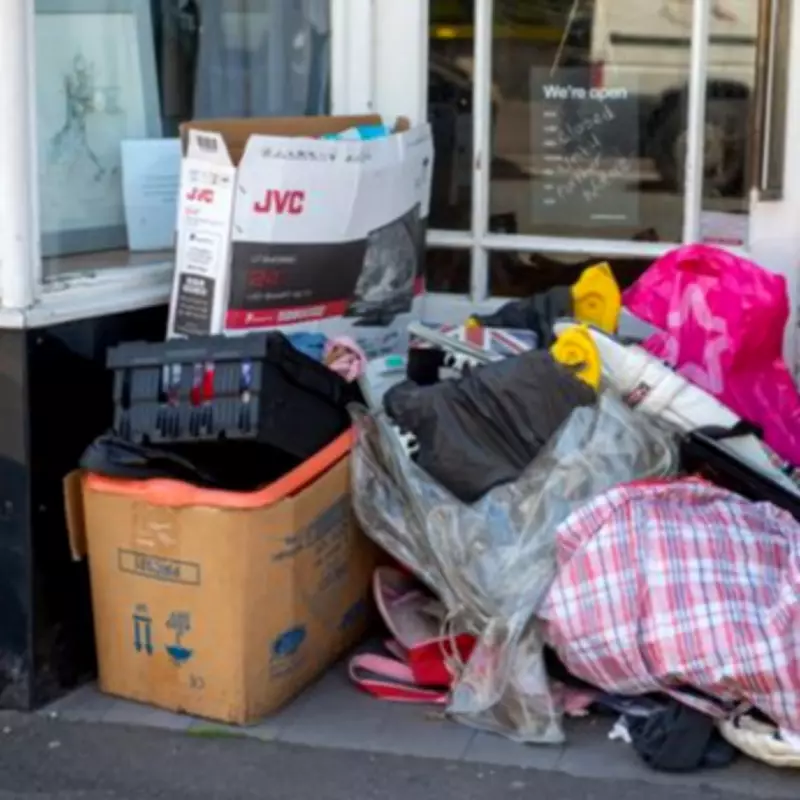
An experienced charity shop worker has described the current state of the industry as the worst she has ever seen, with donations piling up but much of it unsellable. Charity shops across the UK are experiencing unprecedented popularity, driven by the cost of living crisis as households seek affordable goods and a growing trend of second-hand shopping promoted on social media platforms like YouTube and TikTok.
Surge in Donations Creates Challenges
While the increase in donations might seem positive, charity shop staff report that many items are of such poor quality that they cannot be sold. Claire Stockman, head of St Luke's Hospice, told the I: "The quality of donations over the last year has also diminished rapidly. If I go back a couple of years, we used to get pretty much everything that people didn't want because most people couldn't be bothered to try and resell them."
Impact of Resale Apps and Fast Fashion
Stockman attributes the decline in quality to the rise of resale apps like Vinted, which allow people to sell higher-value items themselves. As a result, charity shops now receive more items from fast fashion brands such as Primark and Pretty Little Thing, which are difficult to resell due to their low original prices. "We try to sell them but because of the brand and the quality, people won't buy it. Sixty per cent of what comes into us is not sellable," she added.

Items that are unsellable include those that are soiled, damaged beyond repair, or smelly. Stockman noted extreme cases: "We have stock that comes in where the crotch has been cut out of the jeans or the pockets have been ripped off the back. I've been in charity retail for a while now and I have never, ever seen it this bad."
Processing the Influx
Charity shops, often staffed by volunteers, struggle to process the sheer volume of low-quality donations. Some shops have resorted to refusing donations or closing for a day to sort through items, which reduces the time available for sales and ultimately impacts fundraising. However, shops are wary of discouraging donations altogether, as they rely on them to sustain operations.
Advice for Donors
Louise Dawtry, who works for Mind, advises donors to prioritise quality items. "A good donation looks like anything with tags on, anything that hasn't been opened or higher quality items," she said. Charity workers urge people to think of charity shops as a destination for resalable goods, not as a convenient stop on the way to the tip.
The message is clear: while donations are appreciated, quality matters more than quantity. By donating items that are in good condition and of higher value, supporters can help charity shops continue to raise vital funds for their causes.