The Supreme Court has ruled that fees for bringing employment tribunal claims are unlawful, forcing the government to repay up to £32 million to claimants. The fees, introduced in 2013, ranged from £390 to £1,200 and were intended to reduce malicious and weak cases.
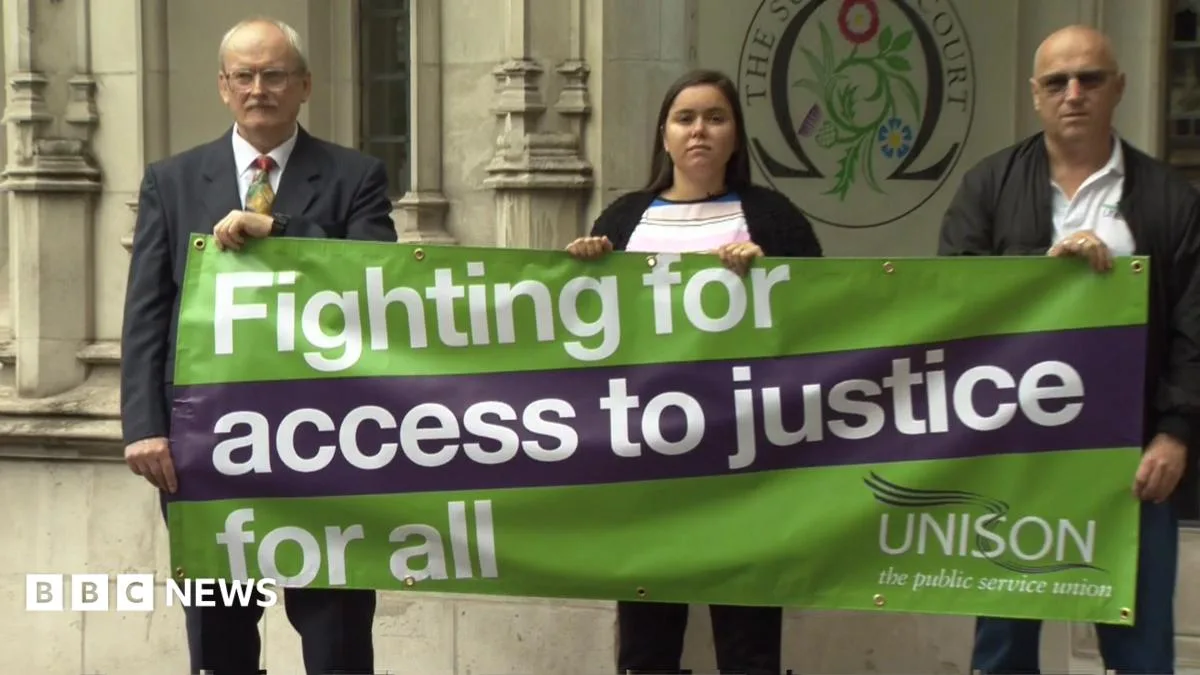
Government statistics showed a 79% drop in cases over three years, which trade union Unison argued prevented workers from accessing justice. The Supreme Court found the fees were indirectly discriminatory, particularly against women who bring discrimination cases, and that they made it impossible for some low- and middle-income claimants to afford justice.
Justice Minister Dominic Raab stated the government would stop charging fees immediately and begin reimbursing claimants dating back to 2013. He acknowledged the need to balance access to justice with preventing frivolous claims and funding the system.

Unison general secretary Dave Prentis called the ruling a victory for fairness, saying the fees had let law-breaking bosses off the hook. TUC general secretary Frances O'Grady described it as a massive win for workers, while employment lawyer Karen Jackson welcomed the decision, noting that many legal professionals had opposed the fees on moral grounds.