UK Population to Peak in 2054, Decades Earlier Than Forecast, ONS Says
UK Population to Peak in 2054, ONS Forecast Shows

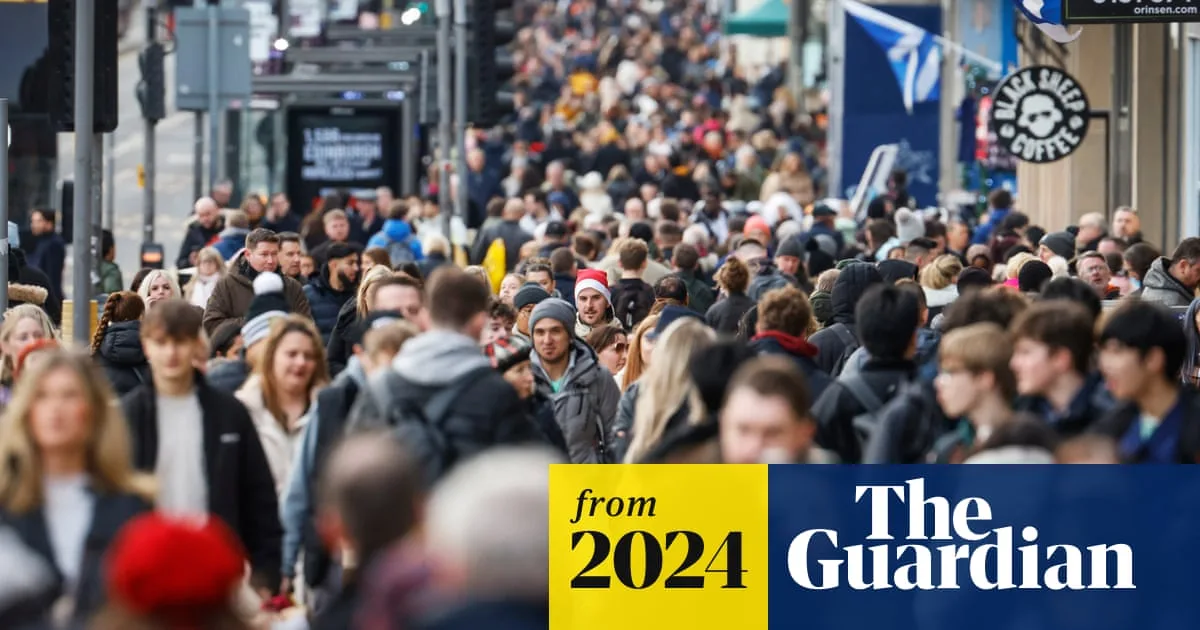
The United Kingdom's population is expected to reach its highest point more than four decades earlier than previously anticipated, according to new official projections from the Office for National Statistics (ONS). The data indicates that the number of people residing in the country will hit a peak of 72.5 million in 2054, after which it will begin to decline. This marks a significant shift from earlier estimates, which had suggested the peak would not occur until 2096.

Within the overall UK figures, revised calculations now predict that England's population will experience its first-ever peak and subsequent decline. Previous forecasts had indicated that England's population would continue to rise for at least another century. However, the ONS now expects it to reach a high of just over 72 million in 2054 before starting to fall.

Other nations within the UK are also seeing their projected population peaks brought forward. Wales is now expected to peak in 2035, compared to the earlier forecast of 2077. Scotland's population is projected to reach its highest level in 2033, just seven years from now, rather than the previously estimated 2051. Northern Ireland's peak is now anticipated in 2031, two years earlier than before.

Wide Pickt banner — collaborative shopping lists app for Telegram, phone mockup with grocery list

The revised projections are attributed to a combination of factors, including slowing net migration and a declining surplus of births over deaths. The ONS forecasts that net migration will average 230,000 per year, down from the 340,000 figure used in previous calculations. Over the decade to 2034, an estimated 7.3 million immigrants will arrive in the UK, including returning Britons, while just over 5 million will emigrate, resulting in net migration of 2.2 million.

Net migration remains the sole driver of population growth, according to the ONS. Recent data indicates that asylum seekers, including those arriving via small boats, now account for 44% of net migration. If asylum claims persist at current or higher levels, they will play an increasingly significant role in reshaping Britain's demographics.

Shadow Home Secretary Chris Philp described the projections as catastrophic, stating: "Mass immigration undermines our society and low wage immigration is bad for the economy. Labour have opened the door without any plan to deal with the consequences, and the ONS shows this will continue to impact us into the 2030s."

In response, Home Secretary Shabana Mahmood has outlined plans to double the qualifying period for most migrants to obtain indefinite leave to remain in Britain to ten years, alongside measures to make refugee status temporary rather than permanent. However, it remains uncertain whether internal opposition within the Labour Party will lead to these proposals being diluted.

Pickt after-article banner — collaborative shopping lists app with family illustration