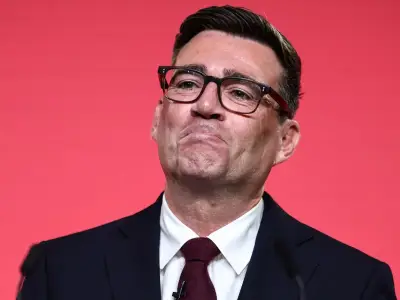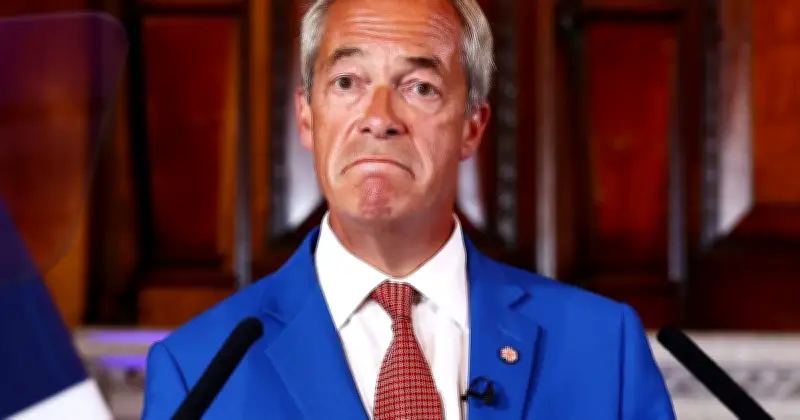
Nigel Farage's hopes of becoming Prime Minister have suffered a setback after a major new poll placed Reform UK third with just 16 seats. Lord Ashcroft's survey, conducted between July 30 and August 3, found Reform on 18% – its lowest level since 2024 – while Labour led with 27% and the Conservatives followed on 23%.
Poll details and seat projections
The Greens stood at 15% and Liberal Democrats at 8%, marking a dramatic reversal for a party that had topped most polls for over a year. Lord Ashcroft's methodology differs from standard voting intention surveys: he asks respondents how likely they are to vote for each party at the next election rather than forcing a choice in a hypothetical contest tomorrow.
On that measure, Labour now enjoys a four-point lead. Seat projections based on the poll paint an even bleaker picture for Mr Farage. Nowcast modelling suggested Reform would win only 16 seats. The Conservatives would rise to 158, while Labour would take 303 – short of an overall majority but potentially able to govern with Liberal Democrat or Green support.
Burnham bounce and Reform response
The results land as Andy Burnham enjoys an early “bounce” after succeeding Keir Starmer. Focus groups conducted by Lord Ashcroft found voters responding positively to the new Prime Minister's style and early policy announcements, with many willing to give him time. Mr Burnham also leads both Mrs Badenoch and Mr Farage in “best Prime Minister” rankings.
Reform figures have dismissed the Ashcroft findings as an outlier, with other recent polls showing the party is still competitive. A YouGov survey this week put Reform narrowly ahead of Labour on 23% to 22%, while Opinium had Labour on 27% and Reform on 25%. Reform's average support since Mr Burnham entered Downing Street remains around 24%.
Farage's challenge and Labour's encouragement
Mr Farage has previously accused some pollsters of understating Reform's true strength. The party performed strongly in the 2025 and 2026 local elections, but the Ashcroft numbers suggest that translating that into parliamentary seats remains a steep challenge under the first-past-the-post system.
For Labour, the poll offers encouragement after a turbulent period. Former Labour voters who drifted away are showing signs of returning. Yet Lord Ashcroft's accompanying analysis warned that goodwill may prove temporary. Voters are already questioning how Mr Burnham will pay for his raft of promises, with many expecting higher taxes.
Broader implications
Big issues – illegal migration, welfare, defence and the economy – remain unresolved, and the new Prime Minister faces structural constraints that dogged his predecessor. The Conservatives, meanwhile, will take modest comfort from moving into second place in this particular survey, even if their absolute numbers remain modest.
The Ashcroft poll is a snapshot, not a prediction. Polls have fluctuated sharply in recent months, and an election is still years away. But for Mr Farage, the message is stark: the path to Downing Street looks longer and more uncertain than it did just a few weeks ago.