WNBA's New Collective Bargaining Agreement: A Deep Dive into Salaries and Revenue Sharing
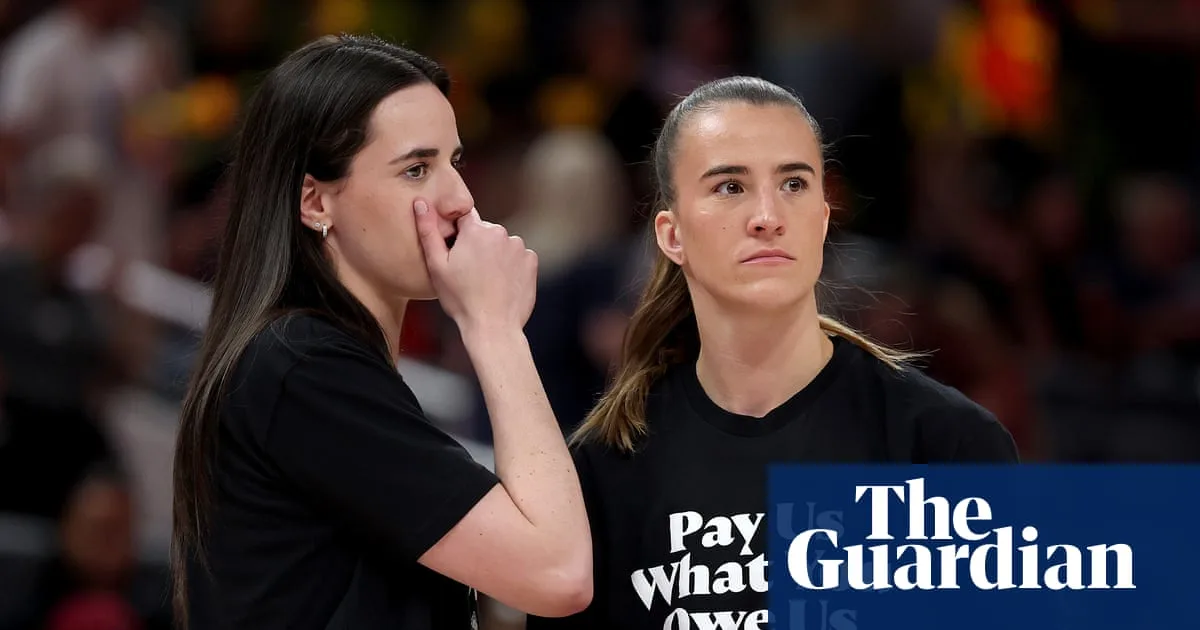
The Women's National Basketball Association (WNBA) has recently finalised a new collective bargaining agreement (CBA), which represents a landmark deal for the league and its players. This agreement, negotiated between the WNBA and the Women's National Basketball Players Association (WNBPA), introduces substantial changes aimed at improving player compensation, benefits, and overall working conditions. The CBA is set to take effect for the upcoming season, with key provisions focusing on salary increases, revenue sharing mechanisms, and enhanced support for athletes.
Key Components of the WNBA CBA
The new CBA addresses several critical areas that have been points of contention in previous negotiations. Below are the main elements of the deal:
- Salary Increases: Player salaries will see a significant rise, with the maximum salary for veteran players increasing by approximately 30%. This adjustment is designed to bring WNBA pay more in line with other professional sports leagues and reflect the growing popularity of women's basketball.
- Revenue Sharing: A new revenue sharing model has been established, where players will receive a percentage of league revenue. This is a pivotal change, as it ties player earnings directly to the WNBA's financial success, incentivising both parties to grow the league's marketability and profitability.
- Benefits and Perks: The agreement includes improved benefits such as enhanced travel accommodations, better healthcare coverage, and increased maternity leave provisions. These changes aim to support players' well-being and career longevity.
- Player Development: Additional resources have been allocated for player development programmes, including training facilities and career transition support, helping athletes prepare for life after basketball.
Impact on the WNBA and Women's Sports
This CBA is seen as a transformative step for the WNBA, potentially setting a precedent for other women's sports leagues. By boosting salaries and introducing revenue sharing, the deal acknowledges the value of female athletes and their contributions to the sport. It is expected to attract more talent to the league, improve player retention, and enhance the overall quality of competition. Moreover, the increased financial incentives could lead to greater investment in marketing and fan engagement, driving higher viewership and sponsorship deals.
However, challenges remain, such as ensuring the revenue sharing model is sustainable and addressing disparities compared to men's leagues like the NBA. The WNBA's leadership has emphasised that this CBA is part of a long-term strategy to build a more equitable and prosperous future for women's basketball.
Future Outlook and Player Reactions
Players have largely welcomed the new CBA, with many expressing optimism about its potential to elevate the league. Key figures in the WNBPA have highlighted the collaborative nature of the negotiations, noting that the deal reflects a shared commitment to growth. Looking ahead, the success of this agreement will depend on its implementation and the WNBA's ability to increase revenue streams through expanded media rights, merchandise sales, and international partnerships.
In summary, the WNBA's new collective bargaining agreement marks a significant advancement in player pay and benefits, with salary hikes and revenue sharing at its core. As the league continues to evolve, this deal could play a crucial role in shaping the future of women's professional sports, fostering a more supportive and financially rewarding environment for athletes.