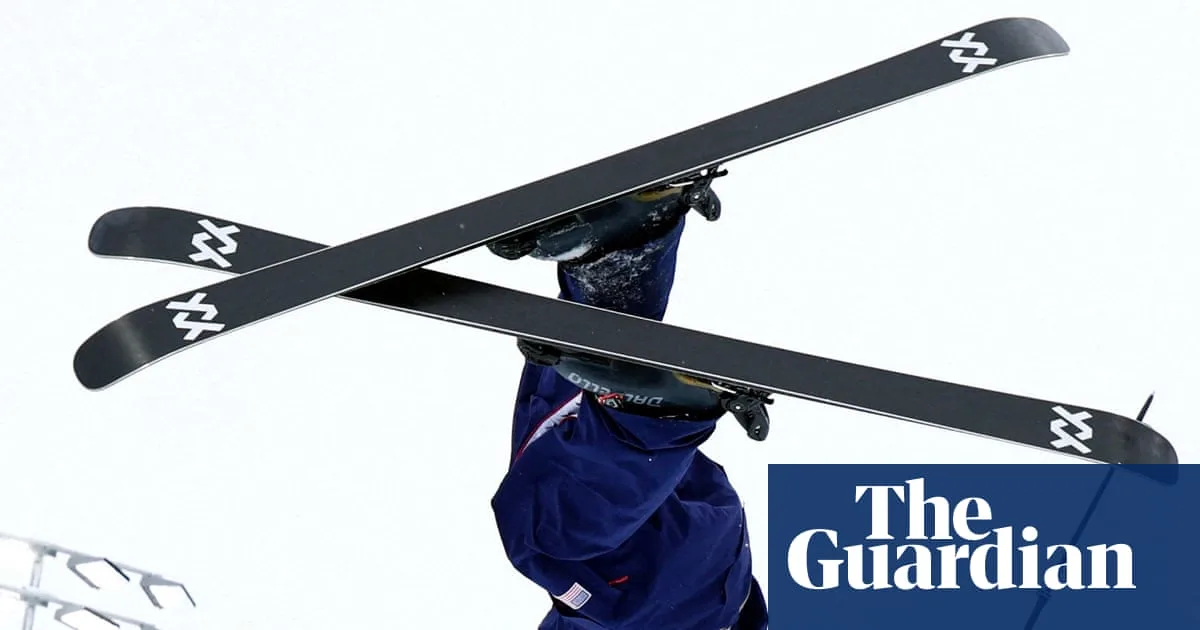
Former US President Donald Trump has launched a scathing attack on American freestyle skier Hunter Hess, labelling him a "real loser" in a social media post. The criticism came after Hess expressed ambivalence about representing the United States at the upcoming 2026 Winter Olympic Games.
Trump's Truth Social Outburst
On Sunday, Trump took to his Truth Social platform to respond to comments Hess made during a press conference earlier in the week. The former president characterised Hess's remarks as indicating he "doesn't represent his Country in the current Winter Olympics."
Trump's post continued with harsh criticism, stating: "If that's the case, he shouldn't have tried out for the team, and it's too bad he's on it. Very hard to root for someone like this. MAKE AMERICA GREAT AGAIN!"
Hess's Controversial Comments
The controversy stems from a press conference on Wednesday where Hess was asked about representing the United States given current domestic and geopolitical situations. The skier acknowledged having "mixed emotions" about wearing the American flag at the Olympics, describing it as "a little hard."
Hess elaborated on his position, explaining: "There's obviously a lot going on that I'm not the biggest fan of, and I think a lot of people aren't. I think for me it's more I'm representing my friends and family back home, the people that represented it before me, all the things that I believe are good about the US."
He added a crucial distinction: "Just because I'm wearing the flag doesn't mean I represent everything that's going on in the US."
Political Backlash Extends Beyond Trump
Trump's criticism follows similar remarks from Tennessee Republican representative Tim Burchett, who posted on X that Hess should "shut up and go play in the snow." This political backlash highlights the tension between athletes' personal views and their role as national representatives.
A Pattern of Athlete Criticism
Hunter Hess is not alone in facing criticism for expressing discomfort with representing the United States in its current political climate. Several Team USA Olympians have found themselves targeted after voicing similar concerns.
US figure skating national champion Amber Glenn revealed she would be taking a break from all social media after receiving what she described as "a scary amount of hate/threats." Glenn, who publicly came out in 2019, had spoken about the challenges facing the LGBTQ community under the current administration.
Meanwhile, two-time Olympic champion Mikaela Shiffrin took a different approach when asked about representing the United States. She read a quote from Nelson Mandela about flourishing regardless of social differences, then added her own perspective: "For me, as this related to the Olympics, I really hope to show up and represent my own values. Of diversity, and kindness, and sharing. Tenacity, work ethic, showing up with my team every single day."
The Broader Context
This incident occurs against a backdrop of increasing political polarization in American sports. Athletes across various disciplines have become more vocal about social and political issues, often facing significant backlash from political figures and segments of the public.
The 2026 Winter Olympics in Milan-Cortina will likely see continued discussion about the relationship between athletes, national representation, and political expression. As Team USA prepares for competition, the tension between patriotic duty and personal conviction remains a challenging balancing act for many competitors.
Hunter Hess's case exemplifies how athletes' comments about national representation can quickly become political flashpoints, attracting attention from the highest levels of American politics and sparking broader conversations about patriotism, free expression, and the role of sports in society.