Experts have warned that the upcoming change to the state pension triple lock will mean a lower state pension as a fraction of average earnings in the long run, increasing the importance of private pension saving.
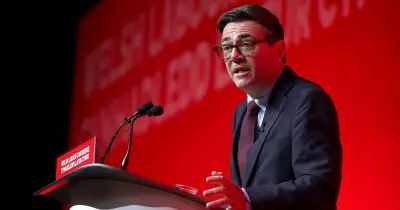
The Prime Minister, Andy Burnham, announced at the Labour Party conference that the triple lock will be changed from 2030. Under current rules, state pension payments rise each April in line with the highest of three measures: the rise in average earnings, inflation, or 2.5 per cent.
Labour has said that from 2030, the average earnings measure will be removed, although payments will still keep track with the rise in earnings over time.
IFS: reform reduces fiscal risk
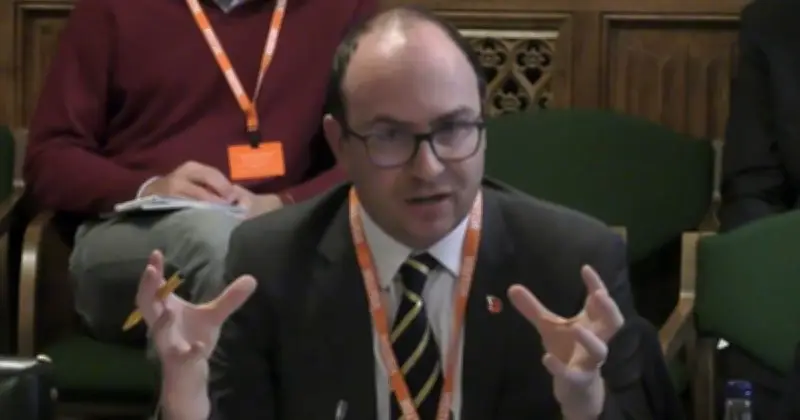
The topic came up at a meeting of the Work and Pensions Commission, as the group of MPs spoke to financial experts about pensions adequacy and ensuring people have enough funds for retirement.
Jonathan Cribb, deputy director of the Institute for Fiscal Studies, said that tweaking the triple lock does provide more leeway for the Government. He said: "The reform has reduced the fiscal risk to the Government that they will have to cut back dramatically at some point in a crisis, whether that be on the level or a much higher state pension age."
He said the changes will likely mean "a lower state pension as a fraction of average earnings in the long run" and so there may be a push for "higher levels of private saving to make up for that". He also said the triple lock was only ever going to be viable for so long.
The expert said: "I think there really is a question about whether it was ever credible that we were going to keep the triple lock for a very long period."
Record increase in 2023
The policy has delivered sizeable increases in recent years, adding to the state pension bill. Payments jumped up by a record 10.1 per cent back in April 2023 thanks to high levels of inflation the year before.
The Government will have another set of policies to consider next year, when the pensions commission presents its final report in February 2027. The commission has been tasked by the Government to look at all aspects of the retirement savings landscape, including whether people are saving up enough for retirement, and how the state pension and private pensions fit into this.
PPI: role of private saving grows
Chris Curry, director of the Pensions Policy Institute, said: "I do not think anyone really expected the triple lock to remain until the 2050s or the 2070s, which is the timeframe that the commission is looking at in terms of where the outcomes of its changes are likely to really impact."
He said that the policy announcement around the triple lock may influence the policy recommendations from the pensions commission. Mr Curry told the committee: "The role of the state is now probably slightly better defined but it is at a lower level than many of the projections that the pensions commission would have been working with were actually showing.
"That does increase the importance of the role of private pension saving. We have not had a chance to run all the numbers through and do a lot more different analysis, but looking back at analysis that we did at the Pensions Policy Institute when the triple lock was first introduced, we estimated that the introduction of the triple lock would mean that people could put about 6 per cent less into their private pensions because that would be coming from the state pension instead.
"It is probably not quite that big a gap now because the triple lock has been more generous than expected and has been in place over time, so it is probably a smaller gap than that."
Other state pension changes
Before the triple lock change in 2030, state pensioners and those planning for their retirement already face some changes to the DWP benefit. The age you can claim your state pension is increasing, going up gradually from 66 to 67 between April 2026 and April 2028.
A new Pension Tax Allowance is also coming in from April 2027, to ensure people do not pay income tax on their state pension payments. The full details about how it will work are available on the Government website.