

Team GB Winter Sports Funding Set for Radical Overhaul After Milano-Cortina Olympics
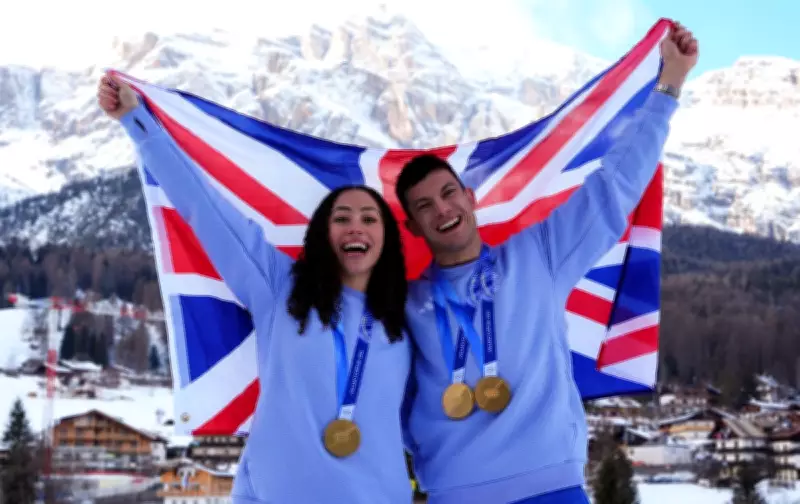
Great Britain's winter sports funding is poised for a significant transformation following the Milano-Cortina Olympics, where Team GB underperformed relative to nations like Australia and the Netherlands despite greater financial investment. This has prompted a comprehensive review of current strategies.
Funding and Performance Disparities
More than £25 million was allocated across seven national associations, covering 11 sports, to prepare Team GB for the Winter Olympics. UK Sport set a medal target of four to eight, but with three golds secured and only three live medal chances remaining in the final days, the team is likely to fall short of the lower end. While officials highlight that Britain has never won more than a single gold in previous Games, and note improved top-10 placements, the gap in efficiency compared to other nations is stark.
Australia, for instance, invested £18 million centrally through the Olympic Winter Institute of Australia and outperformed Team GB with six medals, including three golds. Similarly, the Netherlands focused funding on speed skating and short track, bringing just 38 athletes but securing 13 medals, including six golds, showcasing a more targeted approach.

Calls for Collaboration and Centralisation
Senior members of Britain's high-performance sector advocate for closer collaboration among winter sports governing bodies. This includes merging behind-the-scenes support services to optimise stretched resources directly for performance enhancement. However, this proposal has met with mixed reactions from the sports themselves.
With limited expectations for increased funding ahead of the next Games in the French Alps, and rising costs adding pressure, a radical administrative overhaul may be unavoidable. The current model, which allocates funds based on immediate success rather than future potential, is under scrutiny. For example, skeleton received £5.7 million for two gold medals, while speed skating, with more medal opportunities, received only a fraction of British Ice Skating's £1.9 million budget.
Historical Context and Future Prospects
Sir Steve Redgrave's past proposal for a 400m speed skating oval in the UK, aimed at rivalling the Netherlands, highlights missed opportunities. Athletes like Niall Treacy and Ellia Smeding showed promise in skating, but underfunding limited their impact. The success of nations with centralised or focused strategies suggests that Team GB must rethink its approach to remain competitive on the global stage.
As the Olympics conclude, the debate intensifies over whether to prioritise proven sports or invest in areas with greater medal potential. The upcoming review will likely shape the future of British winter sports, aiming to balance efficiency with ambition in a challenging financial landscape.






