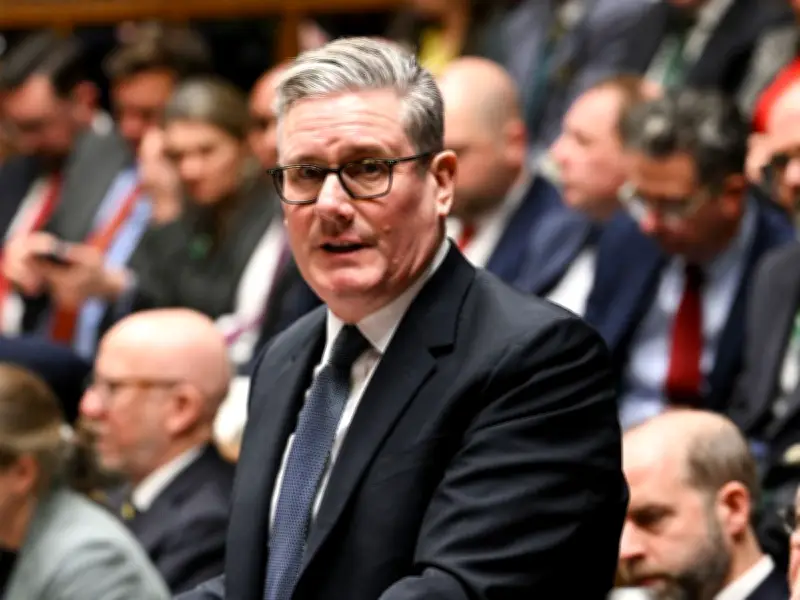
Prime Minister Keir Starmer delivered a formal apology to Parliament on Thursday for the post-war forced adoption scandal that saw tens of thousands of unmarried mothers coerced into giving up their babies for adoption. The apology, one of Starmer's final acts before leaving office, acknowledged the state's role in the shameful practice, which he called "a stain on our history."
Scope of the Scandal
An estimated 185,000 babies were forcibly adopted in England and Wales between 1949 and 1976. Starmer told MPs that many women were denied genuine choice, made to feel ashamed or unworthy, and that children had their identity and history stolen. Fathers and wider families also suffered lasting harm, spanning generations.
"What happened to them and to tens of thousands of mothers, children and families should never have happened. It is a stain on our history," Starmer said. He described how mothers, many young and vulnerable, were "coerced, bullied or misled" into believing they had no choice but to give up their children.

Government Apology and Support Package
Starmer announced a £4 million package over three years to support affected individuals. The funding will help people access adoption records, reconnect with family members, and support research into the long-term impact. The government also pledged to work with NHS England to improve access to mental health support.
Former MP Ann Keen, who was separated from her son after eight days at a mother-and-baby home in Swansea in 1966, said she hoped the apology would release her from shame. "We have always been accused of giving up our babies and we didn't give them up... so many were taken without our knowledge," she told BBC Radio 4. Keen, now reunited with her son, added, "I'm just looking forward to today and being released from my shame."
State Responsibility
Starmer admitted the government bears responsibility for funding and legitimising the systems that enabled these practices. He acknowledged that the state failed to protect mothers and children, and that records were often lost, altered, or inaccessible. The education select committee's March report concluded that government decisions shaped an environment where unmarried mothers were shamed and coerced.
Education Secretary Bridget Phillipson had previously told MPs that a full apology was forthcoming, calling the period "shameful." The government will monitor the £4 million package's effectiveness and keep further research under review.
Regional Context
The apology applies to England. Scotland and Wales have already issued their own apologies. In Northern Ireland, a statutory public inquiry into mother-and-baby institutions, Magdalene Laundries, and workhouses is underway, led by the Northern Ireland Executive.
If you have been affected by historical forced adoption, FamilyConnect offers confidential support, including counselling and record tracing, at 0300 1800 205 or familyconnect.org.uk.