Western officials have sought to play down the prospect of a conflict between Russia and Nato after a week of repeated threats from the Kremlin.
Recent days have seen senior figures in Moscow accuse Ukraine’s allies, including the UK, of “playing with fire”, with Russia’s former foreign minister suggesting British drone factories could be attacked by “unknown sources”.
Threats part of long-standing doctrine
On Friday, Western officials said the threats were “not a new phenomenon” but part of “long-standing Russian military doctrine” that seeks to use “hostile rhetoric” to “exploit fears” and influence decisions.

They added: “We do need to be careful to distinguish what is real from what is rhetoric designed to scare and deter us. Replaying Russian threats and heightening a sense of crisis is exactly what the Kremlin wants.”
Burnham’s Kyiv visit draws Kremlin anger
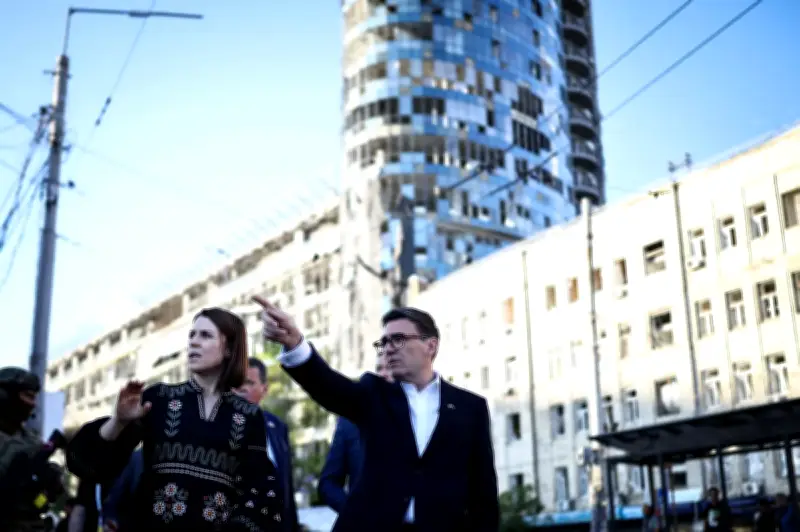
The threats from Russia follow Andy Burnham’s visit to Kyiv on Monday, during which he announced the UK would provide Ukraine with blueprints for long-range Scalp missiles.
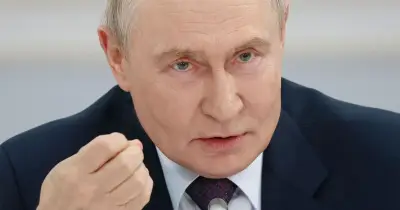
That decision drew strong condemnation from Russia, with President Vladimir Putin’s spokesman Dmitry Peskov saying it would add “fuel to the fire” of the conflict.
Former Russian foreign minister Andrei Fedorov also said he could not “100% exclude” the prospect of “semi-military” action against Britain in retaliation, raising the prospect of so-called “hybrid” attacks.
Hybrid threats and vigilance
Russia has already been linked to incidents in the UK, including an arson attack on a warehouse in east London in 2024 and the attempted murder of former Russian spy Sergei Skripal and his daughter Yulia in Salisbury in 2018.
Western officials on Friday said there was a need for “vigilance” about hybrid threats, but added: “Our assessment remains that Russia isn’t seeking direct confrontation with Nato.”
In June, then-prime minister Sir Keir Starmer warned the UK and other Nato countries believed Russia could launch an attack on the alliance “as soon as 2030”.
Meanwhile, Russia continues to attempt to escalate the war within Ukraine with further strikes on its energy infrastructure.
But Moscow also faces domestic pressure as a result of Kyiv’s own strikes against Russian fuel refineries and battlefield losses thought to outstrip recruitment by 6,000 troops a month.