Chancellor Rachel Reeves has warned against putting the UK's economic stability at risk, as official figures show the economy grew by 0.3% in March and 0.6% in the first quarter of the year. The data from the Office for National Statistics (ONS) comes amid political uncertainty surrounding Prime Minister Keir Starmer's leadership, with Health Secretary Wes Streeting expected to resign and challenge for the premiership.
Economic Growth Amid Political Turmoil
The UK economy expanded by 0.3% in March, following a revised 0.4% growth in February, according to the ONS. However, the growth rate slowed, suggesting the impact of the Middle East war is beginning to bite. Financial markets are nervous that a change in Prime Minister could lead to a shift in economic policy, pushing up government borrowing costs.
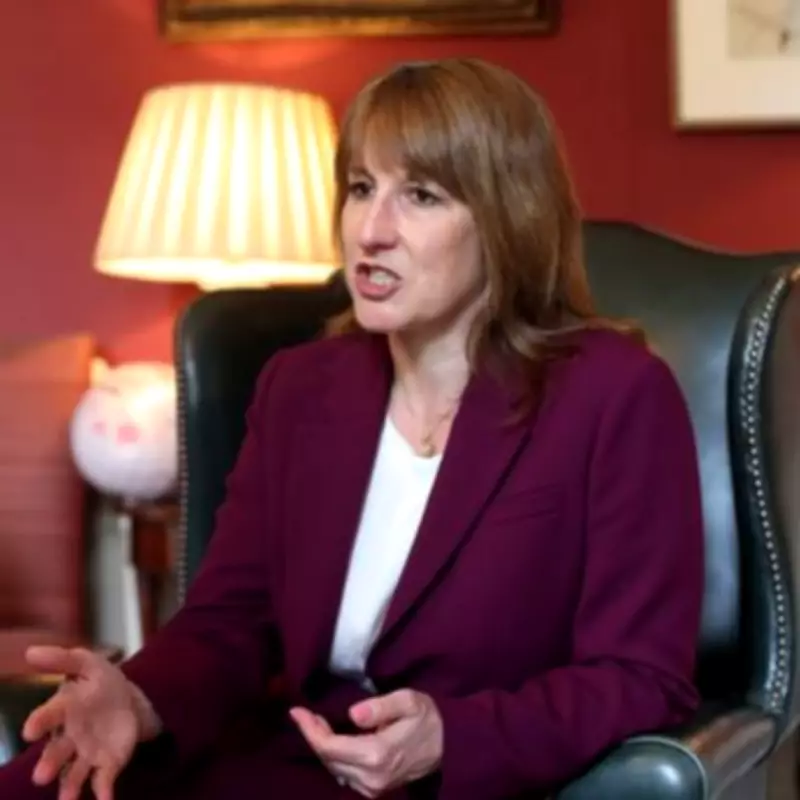
Ms Reeves said: "Today's figures show the Government has the right economic plan. The choices I have made as Chancellor mean our economy is in a stronger position as we deal with the costs of the war in Iran. Now is not the time to put our economic stability at risk. To do so would leave families and businesses worse off."

Political Challenges and Market Reactions
The Chancellor's comments come as UK government borrowing costs have risen, partly due to uncertainty over Mr Starmer's leadership following poor local election results. Gilt yields, which significantly impact borrowing costs, have stabilised after an initial jump but remain elevated. Former Deputy Prime Minister Angela Rayner, another potential challenger, has been cleared by HMRC of wrongdoing over her tax affairs.
ONS director of economic statistics Liz McKeown said: "Growth picked up in the first quarter of the year, led by broad-based increases across the services sector. Within that, wholesale, computer programming and advertising performed particularly well. Production also grew slightly, while construction returned to growth, though only partly reversing weakness at the end of last year."
Expert Views on Economic Outlook
Suren Thiru, chief economist at ICAEW, warned: "A prolonged period of domestic political instability would cast another dark cloud over the UK's economic outlook by further denting confidence and increasing financial market turbulence, likely resulting in notably weaker spending and investment."
Yael Selfin, chief economist at KPMG, said the strong start to 2026 was "expected to fade as the impact of the Iran conflict filters through."
TUC General Secretary Paul Nowak said: "It's positive that our economy was stronger at the start of the year. But after years of falling living standards, working people need both sustained growth and action to ensure that gains are fairly shared. Families and businesses are battling against a life-shattering cost of living crisis, and fear their situation will only get worse due to Donald Trump's illegal war in Iran. So as rising petrol, gas and mortgage costs heap more pressure on family budgets, the government must be laser focused on jobs and living standards."