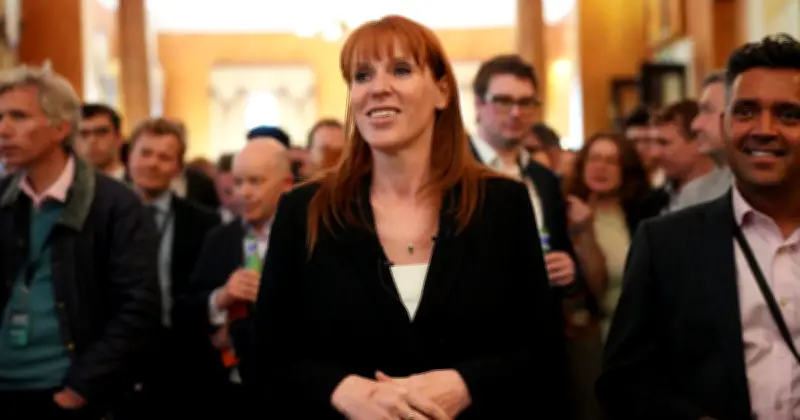
Angela Rayner is facing backlash and legal challenges from at least seven councils over plans to scrap two-tier county and district councils. The Secretary for Housing, Communities and Local Government could see her proposal to remove county councils and merge them into new unitary authorities providing all services for an area challenged in the courts.
Councils threaten legal action
At least seven councils have told Ms Rayner that they will challenge the abolition, with many more potentially following their lead. Julian Brazil, the Liberal Democrat leader of Devon County Council, said the Government’s plans amounted to “blatant gerrymandering”. He added that the proposal risks increased taxes and worse services in early August.
Lincolnshire County Council has sent what is known as a pre-action protocol letter to Ms Rayner which raised a number of questions about the process. The Government announced its preferred model for reorganisation in Lincolnshire in July that would create two new unitary councils, with existing North and North East Lincolnshire councils remaining as they are.

Process questions raised
The pre-action letter enables individuals and organisations to seek explanations and information before deciding whether any legal challenge should be pursued. Lincolnshire said it is seeking further clarification on aspects of the process, including how the different proposals were assessed against the Government’s own criteria, and how consultation responses from the public and other organisations were taken into account.
Norfolk, Suffolk, Essex and Hampshire councils have set out their intention to launch legal reviews against the plans while Devon and Nottinghamshire have warned they may do so, The Telegraph reports. Any legal action would see the implementation of the plans delayed.
Government response
A Ministry for Housing, Communities and Local Government spokesperson said: “The reasons for streamlining Lincolnshire’s councils were published at the time and include letting Lincoln expand to build the homes it needs, making city and rural services fit how people live, and giving each area a stronger voice.
“We are now pressing ahead with reorganisation right across England, to speed up the construction of new homes and infrastructure, remove layers of duplication and waste in local authorities and improve public services.”