Winter Paralympians Demand Earlier Games Amid Melting Snow Safety Crisis
Paralympians Demand Earlier Games Over Melting Snow Safety

Paralympians Compete in "Tropical" Conditions as Climate Change Threatens Winter Sports

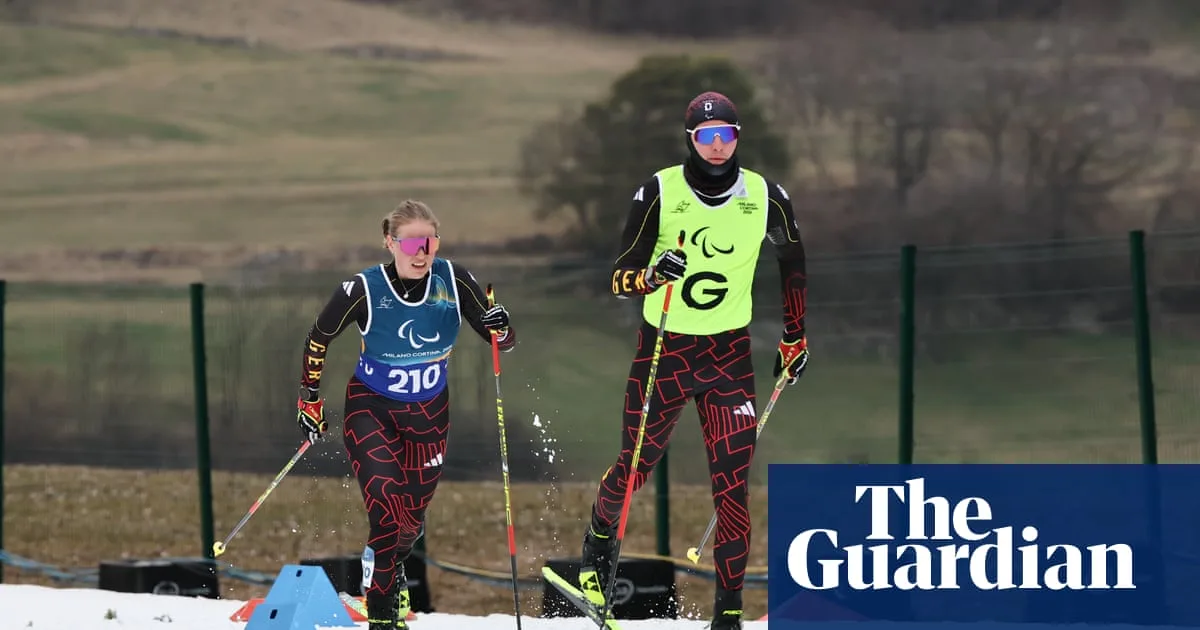
The 2026 Milan Cortina Winter Paralympics have been plagued by unseasonably warm weather, with athletes forced to compete in shorts, T-shirts, and even tank tops on melting snow. This unprecedented situation has sparked urgent safety concerns among competitors and prompted calls to permanently move the Games earlier in the year to ensure more reliable cold conditions.

Athletes Voice Safety Fears Amid Deteriorating Conditions

Three-time Paralympic gold medallist Brenna Huckaby of the United States articulated the growing anxiety among competitors. "I'm here to represent the disability community on a snowboard, and I want to give the best show that I can," Huckaby stated. "But I'm not going to kill myself in the process. I've got two kids at home, and I'm already disabled. I'm not trying to disable myself more."

American Para snowboarder Zach Miller echoed these concerns, describing how soft, slow snow puts lighter riders at a significant disadvantage in maintaining momentum. "It's way less cool, because I'm dealing with really terrible conditions and racing on a course that doesn't actually show what the sport is," Miller expressed with frustration. "It's frustrating."

Wide Pickt banner — collaborative shopping lists app for Telegram, phone mockup with grocery list

Climate Change Creates "Almost Impossible" Conditions

Climate Central meteorologist Shel Winkley confirmed that the early March warmth would be "almost impossible" without the influence of climate change. Researchers warn that the number of locations capable of reliably hosting Winter Games will continue to shrink as global temperatures rise.

The International Olympic Committee has acknowledged the growing problem, stating it's considering rotating the Games among a permanent pool of suitable locations and holding them earlier because March is becoming too warm for the Paralympics. Craig Spence, the International Paralympic Committee's chief brand and communications officer, acknowledged the long-term challenge. "Clearly climate change is not going to go away," Spence told the Associated Press. "We're very conscious of its impact on not just winter sports, but also summer sports."

Medical Professionals Highlight Increased Risks for Para Athletes

Dr. Jaap Stomphorst, a sports physician at the Isala hospital in the Netherlands, emphasized that poor snow quality has a "big influence" on injury and accident rates among Paralympians. He explained that sit-ski racers need very good snow to descend safely because they cannot adjust for ruts by moving their weight off the ski, while bumps present particular problems for visually impaired skiers.

Dr. Sarah Eby, head team physician for the US Para Alpine Ski Team, noted the additional challenges faced by athletes with disabilities. "Thinking of our Para athletes, maybe they have only one leg, they're relying more on equipment that they can't adjust," Eby explained, contrasting this with athletes who have full physical capabilities.

Organizational Challenges and Athlete Adaptation

Organizers have been forced to cancel practice sessions for skiing and snowboarding to preserve courses for both performance and safety. Some race starts have been moved earlier or rescheduled to different days to minimize weather effects, including forecast rain.

Despite these measures, athletes continue to face difficult conditions. German Para biathlete Marco Maier pushed through mushy snow wearing shorts and a short-sleeved shirt to avoid overheating, quipping that "We have the Summer Games now" after capturing a bronze medal in last weekend's sprint race.

Canadian Para snowboarder Sandrine Hamel highlighted the gender disparity in conditions, noting that women's events are held first in cooler morning conditions while men compete later in warmer temperatures. "I get the best and it's already hot, warm, slower and bumpier," Hamel observed. "So they get even worse than that."

Athletes Demonstrate Remarkable Resilience

Despite the challenging circumstances, many athletes have shown remarkable adaptability. Canadian Para snowboarder Tyler Turner maintained a positive perspective, stating: "We're a bunch of amputees and injured people up there. We can adapt on the fly. We're good at this. For me, I've just got to ride and keep my eyes open and stay aware of what's happening out there on the track."

Pickt after-article banner — collaborative shopping lists app with family illustration

American Para Alpine skier Andrew Haraghey acknowledged the organizers' efforts while recognizing the limitations. "We're making it work, but it's not ideal," Haraghey said. "I think it's as safe as it's going to be. I think it's more so that people are pushing the limits."

The organizing committee has emphasized its commitment to ensuring excellent, consistent snow conditions through advanced snowmaking systems, weather monitoring, and planning for various scenarios. However, as temperatures continue to rise at successive Paralympic Winter Games, the fundamental question of timing and location grows increasingly urgent for the future of winter Paralympic sports.