

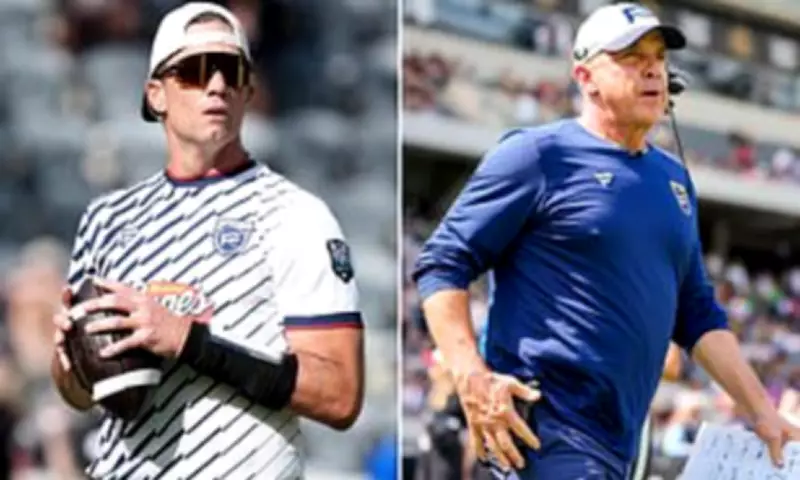
Denver Broncos head coach Sean Payton has expressed significant scepticism regarding the potential participation of National Football League stars in the 2028 Olympic Games flag football competition. This follows a humiliating exhibition defeat for a team of NFL legends, including Tom Brady, at the hands of the existing Team USA flag football roster earlier this month.
A Stunning Display of Dominance
Payton was appointed to oversee Tom Brady's Founders FFC team for the recent Flag Football Classic event in Los Angeles. The squad featured an impressive array of NFL talent, with legendary figures such as Rob Gronkowski, Stefon Diggs, and Von Miller joining Brady on the field. The exhibition was widely viewed as an opportunity for these professional American football players to showcase their skills and bolster their chances of competing when flag football makes its Olympic debut in Los Angeles in 2028.
However, the event turned into a stark reality check. The established Team USA flag football roster delivered a comprehensive and decisive performance, winning all three of their scheduled games with considerable ease. The sheer dominance displayed by the specialist flag football athletes raised immediate questions about the ability of even the most accomplished NFL professionals to adapt their skills to this distinct variant of the sport.

Payton's Candid Assessment
The lopsided results prompted many observers to suggest that NFL stars should avoid the Olympic competition altogether. Sean Payton, who described the experience of watching his star-studded team get dominated as profoundly "humbling," has now echoed those sentiments. Speaking at the NFL's annual meetings in Arizona, Payton provided a blunt analysis of the situation.
"I think when this first was announced, there was this feeling there would be 10 NFL players on that roster," Payton stated. "I'll be surprised if there's one. I think we have plenty of players that can acclimate, but it's going to take a month or two. And then if you're one of those players, do you have that month or two?"
He highlighted the fundamental conflict for any active NFL player considering the Olympics, noting that training specifically for flag football would necessarily detract from their preparation for the traditional NFL season. "And if you're training for that, you're not training [for NFL football]? So I just think it's in a good spot," Payton concluded, suggesting the current Team USA setup is already optimal.
The Skill Gap Exposed
The exhibition games clearly demonstrated a significant gap in specific flag football competencies. The speed, technical skill, and intricate rule knowledge possessed by the dedicated flag football players proved to be decisive factors. The NFL legends, despite their unparalleled experience in tackle football, struggled to grasp the nuances and different strategic demands of the non-contact flag format.
Tom Brady, who participated in the event, offered his own reflections. "I loved being out there in the flag game. I loved not getting hit," the retired quarterback remarked. "I've got a lot of really fun things I'm involved in. It'll never get old throwing passes to incredible athletes. But I am happily retired."
When pressed on who should ultimately represent the United States in 2028, Brady deferred to pure competitive merit. "Whoever gives the team the best chance to win should be out there," he told reporters, a statement that, in light of the recent results, seems to favour the existing specialist roster over crossover NFL talent.
Broader Implications for the Sport
Payton also emphasised the positive exposure the event brought to flag football, particularly for women athletes. "I thought it was great for our international team, and more importantly, great for the women's side of it, because there's an avenue where they can play football," he said, acknowledging the growth and professional pathways the Olympic inclusion creates.

The resounding victory by Team USA and the subsequent commentary from a respected NFL figure like Sean Payton have dramatically reshaped the conversation around NFL participation in Olympic flag football. What was once seen as a potential showcase for gridiron superstars has now been framed as a specialised discipline where dedicated athletes currently hold a substantial advantage, casting serious doubt on the Olympic aspirations of American football's biggest names.





