

The NBA's Selective Morality: Spectacle vs. Systems
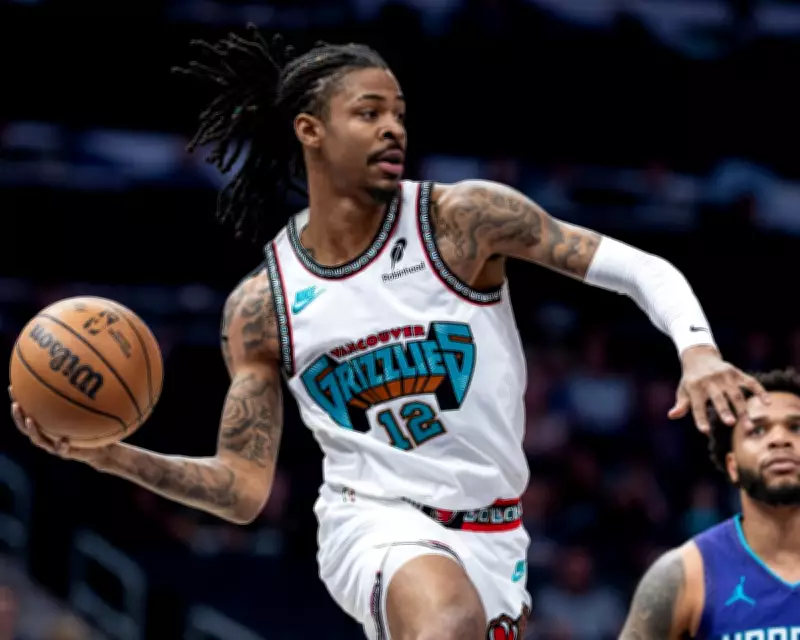
When Ja Morant brandished a firearm on social media in 2023, the NBA responded with a swift suspension, framing it as a necessary move to protect the league's image. This visible act of misconduct invited immediate and public discipline, a straightforward corporate reaction to a viral spectacle that threatened business interests. Morant's transgression, captured on camera and not his first offense, made for an easy target—a clear-cut case where the league could assert its authority without ambiguity.
The Murky World of Billionaire Ownership
Yet, while the NBA knows how to punish such spectacles, it remains largely silent on the far more complex ethical entanglements of its billionaire ownership class. This contrast raises profound questions about how the league differentiates between right and wrong. Corporations are adept at disciplining visible behavior because visibility directly impacts their brand. However, they often struggle to address the slower, less visible systems operating in the background that generate profit but may involve harm.
Ubiquiti and the Supply Chain Conundrum
Recent investigative reporting by Hunterbrook Media has brought this issue into sharp focus. The report highlights communications technology manufactured by Ubiquiti, a company founded and led by Memphis Grizzlies owner Robert Pera, which has allegedly appeared on the frontlines of Russia's war in Ukraine. According to the investigation, Ubiquiti devices have been used within Russian military communications networks, including for coordinating drone operations that experts link to precision strikes against Ukrainian civilians.

There is no evidence that Pera personally directed sales to Russia or violated U.S. sanctions law, and Ubiquiti has stated it ceased direct sales to Russia in 2022. However, the report suggests that dozens of exporters in countries like Turkey and Kazakhstan sprang up to continue the flow of Ubiquiti shipments to Russia, raising questions about diversion through intermediary exporters. This scenario lacks a smoking gun, but it underscores the difficulty of regulating morality when harm travels through complex supply chains rather than social media feeds.
A Test for Media and Public Attention
This story serves as a brutal litmus test for American media literacy and attention span. As journalist Pablo Torre noted, the topic is complicated, involving export controls and supply chains, and centers on a billionaire most fans cannot easily recognize. Unlike high-profile scandals like Donald Sterling's racist remarks, which offered a clear villain, Pera's case requires sitting with ambiguity and engaging with the faraway violence of free-market capitalism. In a society often pulverized by short-form content and instant gratification, such complexity can be exhausting to navigate.
Personal Reflections and Broader Implications
Reflecting on a past job as a janitor in a machine shop, the author recalls handling tiny components for defense contractors, imagining their journey from Texas to war zones. This personal anecdote parallels the NBA's dilemma: how do we account for the global ramifications of our actions when no single person sees the whole machine? The league can discipline a player publicly because the harm is visible and viral, but does it have the appetite to follow a product, dollar, or signal to where real damage lands?
Ultimately, this is not just the NBA's failure but a societal one. We have become fluent in scandal yet illiterate in systems, or perhaps systems are deliberately engineered to resist literacy. Power in the U.S. often hides in ordinary things, allowing the haves to move quietly while the have-nots argue in public. As the NBA, Memphis Grizzlies, and Ubiquiti have not responded to requests for comment, the question remains: will we prioritize easy spectacles over the harder truths of systemic complicity?






