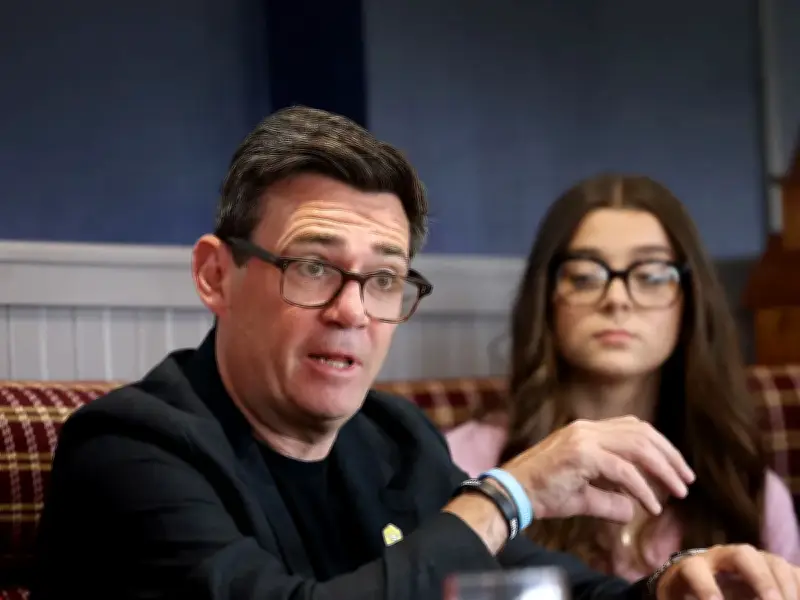
Residents in Andy Burnham's Makerfield constituency have voiced doubts that an incoming social media ban will stop children from accessing harmful content online, despite welcoming the policy. A study by the Molly Rose Foundation (MRF), which visited Makerfield in August, found that locals were sceptical about the ban's effectiveness.
Concerns Over Bypassing Age Checks
Residents raised concerns that children could bypass age verification checks or simply switch to other platforms. One resident told the suicide prevention charity: “There’s always going to be kids who find ways around it, no matter what you do.” Another said: “For every one app that closes, another five are opened. So if a parent was to go ‘Right, you’re not on WhatsApp’, they’ll go on something else.”
The concerns come as a separate study from the Youth Endowment Fund found that a third (32%) of teenagers have found ways around current online age checks, while nearly half say they would find a way to keep using social media if a ban prevented them from accessing it.
Call for Tangible Impact
Adam, the manager at Stubshaw Community Sports Club, where Mr Burnham launched his by-election campaign, said the 'Makerfield Test' means policies should make a tangible difference to communities. He said: “Nowhere is this more important than our children’s online safety. For families in Makerfield, making the online world safer is an urgent priority. At my club, it feels like hardly a week goes by without another conversation about dangerous TikTok challenges, impacts on mental health, or children and adults alike spending hours glued to their screens.”
He added: “We’ve heard promises and announcements from Government in the past, but can anyone truly say it’s made a difference to their online experiences?”
Foundation Calls for Stronger Measures
The MRF, set up after the death of Molly Russell, 14, who took her own life after being exposed to harmful material online, is calling for a ban to incentivise firms to make platforms safe. It also wants tougher penalties for non-compliant companies and a reset of online safety education in schools.
Ian Russell, Molly's father and MRF chair, said: “Families like mine know all too well how devastating harmful social media can be. We have been let down time and again by broken promises from politicians and weak regulators that have failed to prioritise the safety of our children. Listening to communities like Makerfield to ensure policies have a meaningful impact is key. If politicians ignore the voices of communities who are impacted by online harm every day they will fail the very people who they represent.”
Rowan Ferguson, Senior Policy and Public Affairs Manager at the MRF, said: “The people of Makerfield are clear that online safety must be a pressing issue for Andy Burnham’s Government but a ban alone won’t keep children safe. The Prime Minister must listen to his constituents and build better than a blunt ban with concrete measures that meaningfully improve the lives of children in communities like Makerfield.”
A DCMS spokeswoman said the government has listened to more than 116,000 parents, carers, experts and young people, with nine in ten parents backing action to keep under-16s off social media. She said: “We will raise the age of access to social media to 16 and go further, with world-leading protections against harmful features including livestreaming and unwanted contact from strangers, alongside new safeguards for AI chatbots. This is on top of existing duties on platforms to tackle illegal content for everyone and harmful content for children. We are taking power away from the tech giants and putting it back in parents' hands.”