

Discovering Ladakh's Winter Wonders Beyond the Mountains
Inspired by the Winter Olympics, a trip to Ladakh unveils a high-altitude realm where stunning Himalayan vistas are matched by the resilience and creativity of its people. Rashmi Narayan recounts her experience in this remote Indian region, where winter transforms into a season of community, sport, and cultural preservation.
The Heartbeat of Ice Hockey in Leh
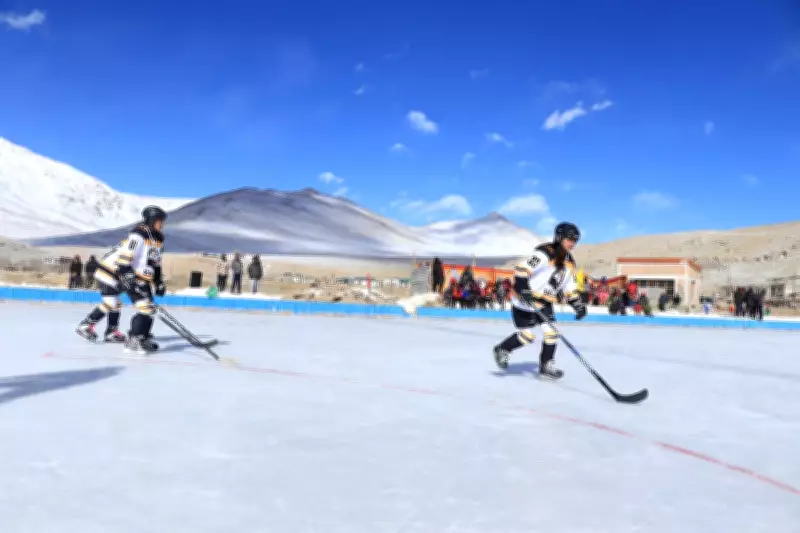
At Karzu Pond in Leh, locals gather to play ice hockey on makeshift rinks, a sight that captivates visitors. Dr Noor Jahan, goalkeeper of the Indian Women's Ice Hockey Team, shares her journey. "Ice was always a part of our lives, especially during our long winters, and we are all very outdoorsy," she explains. When not on the ice, Noor dedicates herself to conserving centuries-old Buddhist Thangka paintings, holding a PhD in art conservation.
Her passion for ice hockey began in childhood, sliding on sledges in Skara, Leh. Despite scarce resources, she persevered, using borrowed skates and equipment. "One day I got these makeshift skates that maybe belonged to somebody. It was a figure skate, but with an Army gumboot and an iron plate at the bottom. So that was my first pair," she recalls with pride.

Building a Legacy for Women in Sport
Noor and her teammates founded the Ladakh Women's Ice Hockey Foundation in 2015, carving rinks on frozen ponds and borrowing gear. They now coach young girls across villages, promoting ice hockey as a serious career. Their efforts paid off with a bronze medal at the 2025 IIHF Women's Asia Cup, though Olympic dreams remain on the horizon.
Equipment challenges persist, as most gear is imported at high cost. Yet, the foundation's growth symbolizes a broader spirit of adaptation in Ladakh, where winter does not mean hibernation.
Cultural Threads: From Thangka to Pashmina
At Shesrig Ladakh, Noor's conservation studio works to restore Thangka paintings, blending art with athleticism. Meanwhile, in Leh, businesses like LENA, run by women, educate travelers about pashmina's origins. Co-founder Sonam Angmo clarifies, "Most don't know that the source of pashmina is from Ladakh. They often think it's from Kashmir."
She introduces yuth, a unique weaving pattern used by ancient nomadic tribes for identification. "These lines may seem like a mere design, but they're actually marks of ancestry," Sonam notes, highlighting Ladakh's rich heritage.
Monastic Wisdom and Winter Life
At Thiksey Monastery, monk Chamba Norfil offers insights into Ladakhi resilience. "In Ladakh, despite challenges like extreme weather and water shortages, we live in harmony," he says. He debunks stereotypes, adding that monks enjoy sports like cricket and hockey. "Meditation isn't about sitting quietly; it's about introspection amidst chaos," he advises travelers.
This philosophy permeates Ladakh, where winter shapes not just sport but also community bonds and cultural preservation. From ice hockey on frozen lakes to ancestral weaving, the region tells a story of vitality that defies the cold.
Practical Tips for Travelers
For those inspired to visit, return flights from London to Leh start at £785. In Leh, walkable city centers and reliable taxis make exploring monasteries easy. Accommodations like The Grand Dragon offer mountain views year-round, while Shakti Himalaya provides village stays from May to September.
Ladakh's winter is a testament to human spirit, where ice, art, and tradition intertwine to create a uniquely layered experience.






