

Jesse Jackson's Athletic Foundation Shaped His Civil Rights Legacy
The Rev. Jesse Jackson, who passed away on Tuesday at the age of 84, was deeply influenced by sports from his youth, a passion that propelled his lifelong dedication to fighting for equal rights. As a former quarterback and avid sports fan, Jackson immersed himself in athletic environments, using his platform to advocate for fairness and inclusion across all levels of competition.
From Football Fields to Halls of Fame
Jackson's journey began with a football scholarship at the University of Illinois, after which he transferred to historically Black North Carolina A&T. There, he excelled as a quarterback, leading the Aggies to a conference title in 1964 and earning induction into the university's athletic Hall of Fame two decades later. His attorney, CK Hoffler, emphasized that Jackson's identity as a former athlete was central to his understanding of the challenges faced by sports professionals.
"What is not a well-known fact is that Rev. Jackson, first of all, he was a football player," Hoffler noted. "He himself, as a former athlete, understood the plight of athletes."

A Presence in the Arena of Change
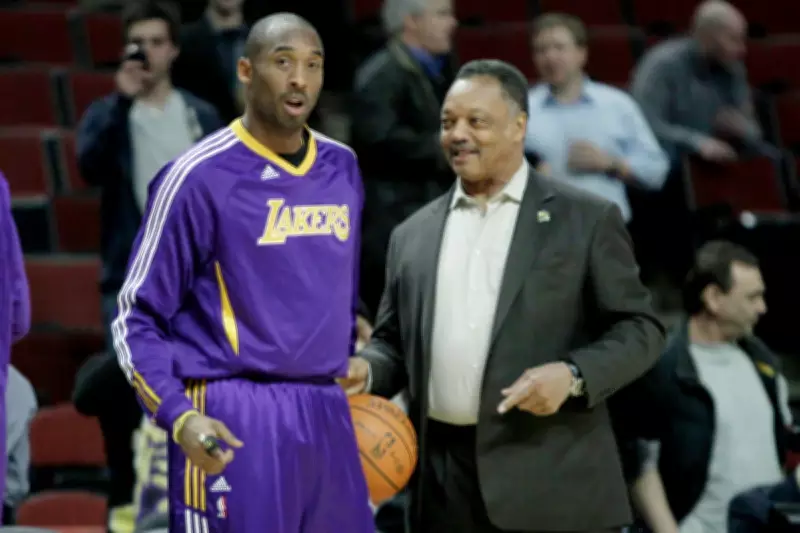
Standing at 6-foot-3, Jackson commanded attention even among professional athletes, as seen during a 2011 Chicago Bulls playoff game where he supported star Derrick Rose. His sports experiences fueled a relentless drive to ensure equal opportunities for athletes, regardless of race, gender, or nationality. Hoffler highlighted Jackson's advocacy for fair pay and inclusion, extending his efforts to international athletes and community-building initiatives like the Harlem Globetrotters, for whom he negotiated benefits and insurance.
Jackson's advocacy knew no boundaries, blending public stands with behind-the-scenes negotiations to advance social justice in sports.
Championing Diversity and Accountability
Len Elmore, a former NBA player and Columbia University lecturer, pointed to the strong connection between Jackson's athletic roots and his broader equality campaigns. Jackson actively pushed for change in major leagues, including the NFL, NBA, and MLB, and was instrumental in promoting the Rooney Rule, which aimed to increase minority coaching candidates. However, he also critiqued its limitations, calling for reforms in response to ongoing racial discrimination cases.
"He wanted folks to have a piece of the pie. He wanted that pie to have diverse overtones," Elmore remarked, underscoring Jackson's vision for inclusive leadership in sports boardrooms and fields alike.
A Lifelong Commitment to Athletes
Even in his later years, Jackson remained a visible figure at sporting events, attending NBA All-Star Weekend and HBCU Classic games to support underrepresented players. Hoffler recalled that Jackson's dedication persisted despite physical challenges, often attending games in a wheelchair. His legacy inspires ongoing efforts to recognize athletes' platforms and push for systemic change in sports equality.






