

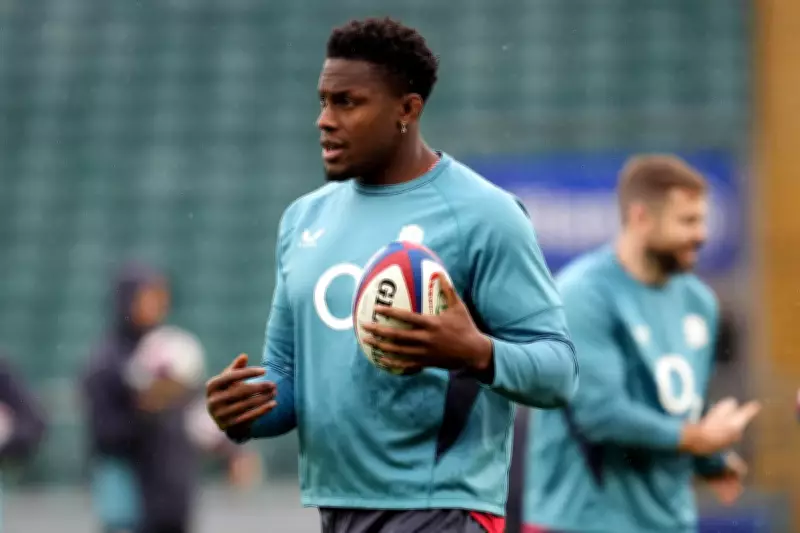
England rugby captain Maro Itoje has issued a stark warning to elite athletes about the "corrosive" nature of social media, highlighting its detrimental effects on mental health and society. His comments come in response to the racial abuse suffered by Ireland's Edwin Edogbo following his international debut, an incident that has sparked widespread condemnation.
Social Media's Dual Impact: Good and Bad
Itoje, who is set to earn his 100th cap for England against Ireland this Saturday, expressed deep concern over the platform's influence. He acknowledged that while social media has been a force for good in many respects, it also fosters significant negativity. "It's very sad on two fronts," Itoje stated, emphasising the need for athletes and ordinary individuals alike to avoid basing their lives on online feedback.
Advice for Top-Level Athletes
The British and Irish Lions skipper advised all high-performance sportspeople to limit their social media usage. "I'd advise all top level athletes not to spend too much time on social media because it's really corrosive," he explained, noting its impact on brain development and overall well-being. Itoje predicts that future years will reveal extensive damage to human brains and societal structures due to excessive social media engagement.

Despite recognising the career benefits of maintaining an online presence, Itoje urged caution. He warned against being swayed by both positive hype and negative criticism, stating that reality often lies somewhere in between. "What tends to happen is positive news tends to be extremely positive and negative news seems to be extremely negative," he observed.
Racial Abuse Incident Involving Edwin Edogbo
The immediate catalyst for Itoje's remarks was the targeting of Ireland's Edwin Edogbo, who faced online racial abuse after his debut in the Guinness Six Nations victory over Italy. Edogbo, born in County Cork to Nigerian parents, came on as a replacement in the 20-13 win. The Irish Rugby Football Union has launched an investigation into the abuse, which forced them to disable comments on a social media post featuring Edogbo with his first cap.
Itoje described the situation as "incredibly sad" and a reminder that more work is needed to combat racism. "It's something that no one should have to go through," he asserted, calling for continued efforts to eradicate such behaviour from sports and society.
Broader Context in Sports
This incident is not isolated, as football has also been marred by racism recently. Real Madrid's Vinicius Jr allegedly suffered abuse from Benfica's Gianluca Prestianni during a Champions League match, a claim Prestianni denies and UEFA is investigating. Itoje condemned these acts strongly, noting that while they are "terribly sad," there has been progress in addressing them compared to decades past.
"Thirty years ago that probably wouldn't have even made the press," Itoje reflected, highlighting how societal attitudes have shifted. He believes that while incidents like those involving Vinicius Jr and Edogbo show there is still a long way to go, the community is moving in the right direction, albeit not as quickly as desired.
Itoje's message underscores a critical balance: athletes must navigate social media for professional reasons while guarding against its corrosive effects, all as sports continue to confront persistent issues like racial abuse.






