Iran's women's national football team has been branded 'wartime traitors' by state TV presenters after refusing to sing the national anthem at the AFC Women's Asian Cup in Australia. Broadcaster Mohammad Reza Shabazi described their silent protest as the 'pinnacle of dishonour'. The protest occurred days after US-Israeli strikes killed Iran's supreme leader Ayatollah Ali Khamenei, amid a conflict that has killed over 1,300 people in Iran.
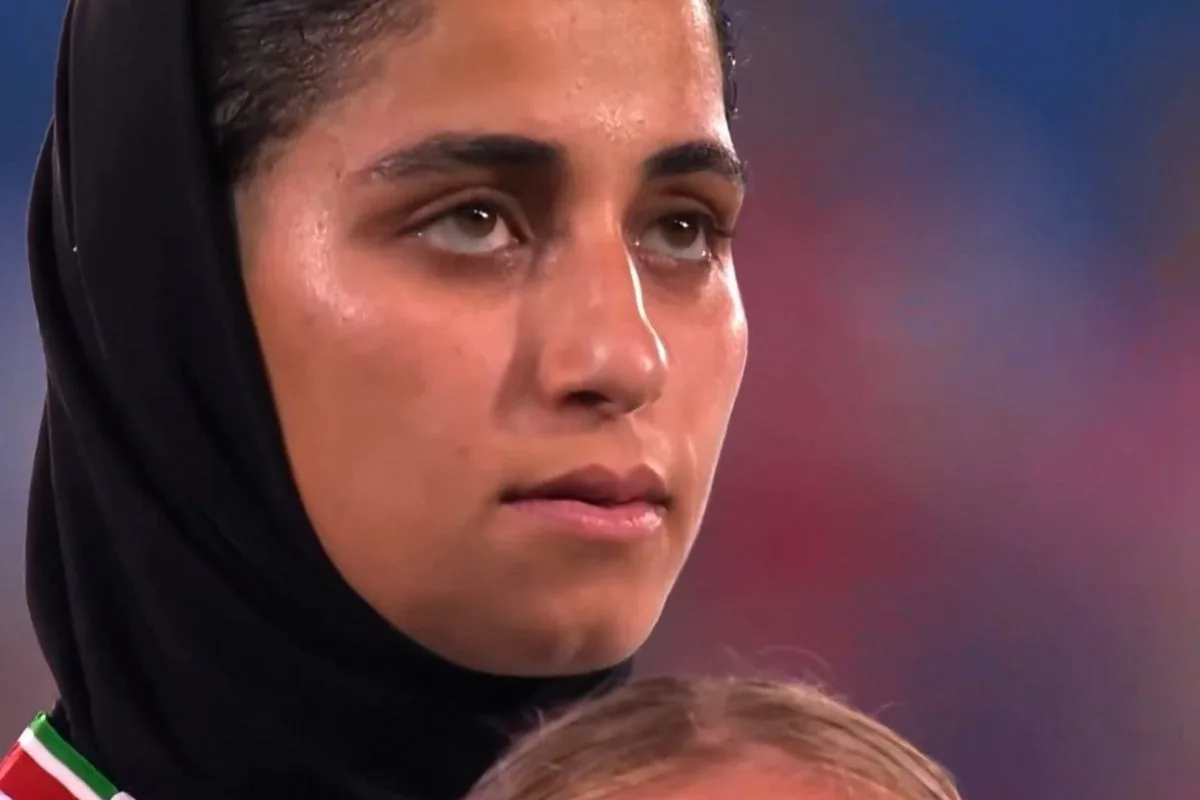
Striker Sara Didar fought back tears at a press conference, expressing concern for her country and family. The team's subsequent enthusiastic singing and saluting in later matches raised concerns. After elimination, protesters chased the team's bus, calling on Australia to 'save our girls', amid fears of reprisals back home.
One mother sent a voice note to her daughter, pleading: 'Don't come [back to Iran]... they'll kill you.' President Donald Trump offered the team refuge in the US, claiming they would 'most likely be killed' if they returned. Seven players have since been offered asylum in Australia, but one changed her mind after the rest decided to return.

Fatemeh Pasandideh, 21, captain Zahra Ghanbari, 34, Zahra Sarbali, 32, Atefeh Ramezanizadeh, 33, and Mona Hamoudi, 32, received 12-month humanitarian visas. Mohaddeseh Zolfi and support staff member Zahra Soltan Meshkeh Kar also expressed a wish to stay. However, one unnamed woman, reportedly the daughter of the mother who sent the voice note, initially chose to stay but later changed her mind and is now in Kuala Lumpur.
Australian authorities confirmed the women faced pressure from the Iranian establishment but were supported by police and translators to ensure their decisions were voluntary. Home Affairs Minister Tony Burke said the woman who changed her mind had spoken to teammates and was encouraged to contact the Iranian embassy, which then became aware of her location, forcing relocation.
Local activists described the stress faced by the players, worried about family and assets in Iran. Migration agent Melody Naghmeh Danai noted the difficulty of their decision. The team also had limited internet access, with some players unaware of asylum offers.