Iran Women's Football Team Faces Danger After Asian Cup Exit Amid Protests
Iran Women's Football Team in Peril After Asian Cup Exit

Iran Women's Football Team Faces Grave Danger After Asian Cup Exit

In a dramatic and distressing scene on the Gold Coast, approximately 200 protesters surrounded the Iranian women's national football team bus, chanting "let them go" after a player flashed an international SOS distress signal. This incident occurred following Iran's 2-0 defeat to the Philippines on Sunday night, which concluded their campaign in the AFC Women's Asian Cup in Queensland, Australia.

Chaotic Protests and Distress Signals

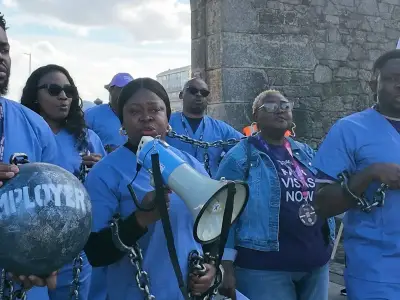
As the team bus attempted to leave the stadium after the match, protesters banged on the vehicle and carried the Lion and Sun flag, a pre-1979 Islamic Revolution symbol now used in resistance against the current regime. Police struggled to contain the crowd while pushing them back from the bus.

From inside the bus, at least one Iranian player was seen performing the recognized SOS distress signal by tucking her thumb into her palm and folding her fingers over it, indicating a plea for help. Players also filmed the protest, with footage showing at least one making a love-heart symbol toward the crowd earlier.

Wide Pickt banner — collaborative shopping lists app for Telegram, phone mockup with grocery list

Fears of Severe Consequences Upon Return

Protesters and community activists expressed grave concerns that the players could face imprisonment or even death when they return to Iran. Ara Rasuli, 25, told News Corp that "The help sign is, I think, the most concerning," while another protester, Aram, 19, reported visiting a police station to demand Australian Federal Police intervention, stating "There is a clear video of one of them doing the help sign. People's lives are in danger."

A source within the Iranian-Australian community confirmed that activists were approaching Australian authorities seeking urgent protection for the women. One protester revealed that her mother encountered two players in a hotel elevator who said they "cannot talk" due to threats against their families in Iran, with some players reportedly crying on the bus as protesters tried to stop it.

Background of Political Tensions

The crisis stems from the team's initial decision not to sing the Iranian national anthem before their opening match against South Korea last Monday. Iran's state-controlled television immediately condemned this silent protest as "the pinnacle of dishonour" and "the height of shamelessness and betrayal." Presenter Mohammad Reza Shahbazi warned on air that "In times of war, traitors must be dealt with more harshly," referring to Iran's current military conflict following the US-Israeli assassination of Ayatollah Ali Khamenei.

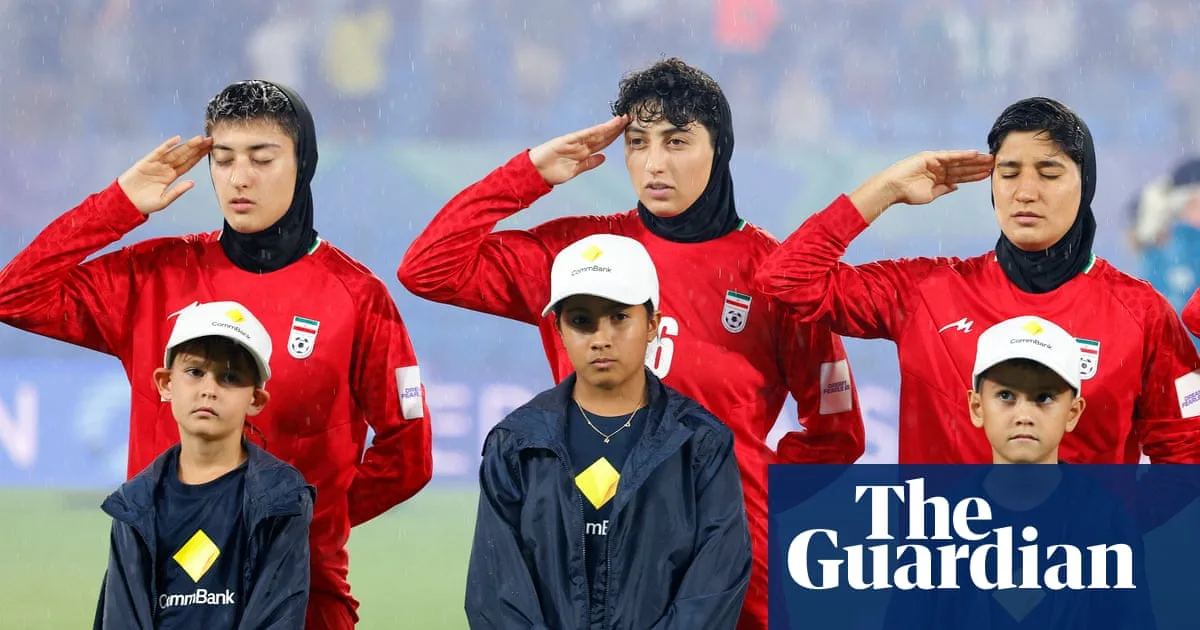
Under Iranian law, corruption and treason are punishable by death. The team was subsequently instructed by the regime to sing the anthem at later matches, which they did before games against Australia and the Philippines, each time performing a military salute.

Previous Protests and Withdrawals

This anthem boycott follows precedent set by the Iranian men's team at the 2022 World Cup in Qatar, who also refused to sing the national anthem amid a brutal crackdown on women's rights movements at home. Last month, two players withdrew from the women's squad before the Asian Cup began, with former player Kousar Kamali writing on social media about her decision being "out of awareness" and "respect for my conscience."

Iran International TV journalist Raha Pourbakhsh revealed the women faced severe duress, including threats to end their careers, jail time, tapped phones, and forced agreements not to seek asylum in Australia. They were also told to show "joy and happiness" if scoring goals to maintain appearances of normalcy.

Tragic History and Current Dangers

The team has already suffered tragedy, with player Zahra Azadpour shot dead while protesting in January and referee Sabha Rashtian killed during demonstrations. Players are reportedly scheduled to fly to Turkey before returning to Iran by bus, despite ongoing bombing in Tehran. Fears persist that family members are being held hostage in Iran, preventing players from seeking asylum elsewhere.

Pickt after-article banner — collaborative shopping lists app with family illustration

Calls for Protection and Intervention

More than 46,000 people have signed a petition urging Australia not to allow the players to return to danger, stating "This is a moment for principled leadership." Iranian community leaders have asked authorities to speak privately with players about their rights and protection pathways. Activists, politicians, and former Socceroos captain Craig Foster have urged FIFA and the Australian government to ensure no player is forced to leave if feeling unsafe.

Assistant Foreign Affairs spokesman Matt Thistlethwaite declined to reveal whether any players had sought help from Australian authorities, citing privacy reasons. Meanwhile, Iranian head coach Marziyeh Jafari, who sang the anthem and gave the military salute, told reporters the team was ready to return home, saying "We want to come back to Iran as soon as we can" and "We are eager to come back."