Guardian Launches Deleted Data Series Investigating Lost Government Information
Guardian Launches Deleted Data Series on Lost Government Info

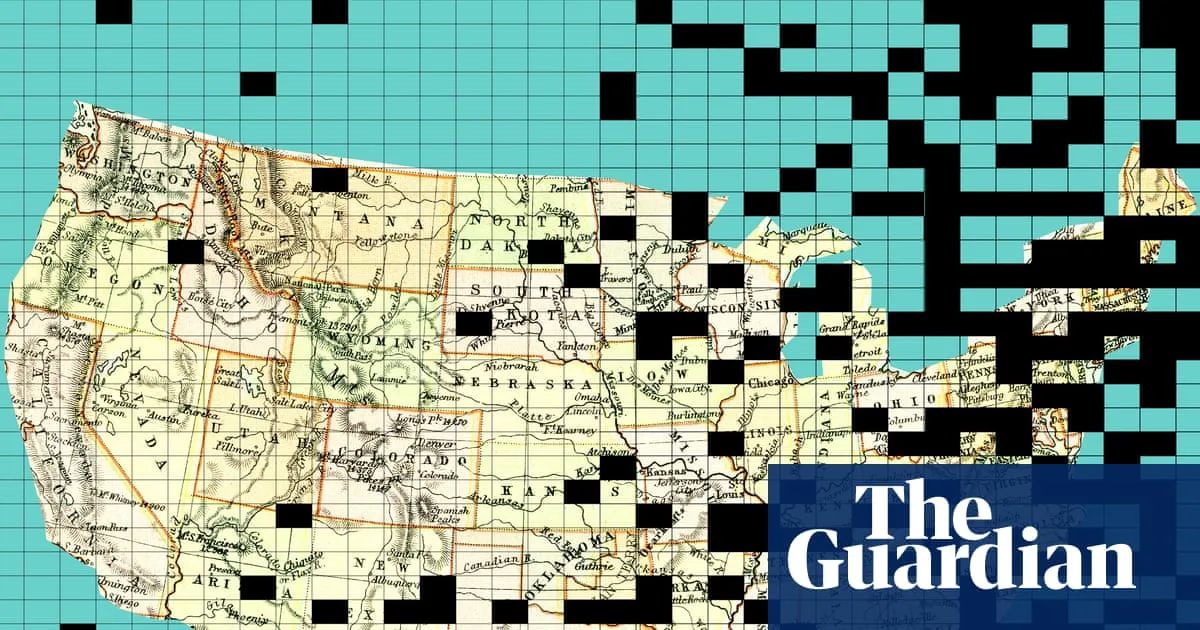
The Guardian has announced the launch of a new series titled Deleted data, which will investigate the growing loss and alteration of US government information and its implications for the public.

What is the Deleted Data Series?

Across federal agencies, decades of vital datasets and public-facing tools covering climate, public health, economic inequality, and civil rights have been removed, altered, or left to deteriorate. The series will document what is being lost, explain why it matters, and reveal the tangible consequences for people and communities nationwide.

Part of the Building Power Project

The Deleted data series is a key component of the Guardian's broader Building power project, which examines how communities respond to political, economic, and social challenges. This data component underscores that access to information is a form of power, revealing disparities that inform public policy and civic action.

Wide Pickt banner — collaborative shopping lists app for Telegram, phone mockup with grocery list

Team Behind the Series

The series is led by Caitlin Yoshiko Kandil, the Guardian's senior editor for special series, along with data reporter Amy Qin (formerly of WBEZ) and graphics reporter Flávio Pessoa (formerly of the Washington Post). Their work builds on the Guardian's legacy of data journalism, including The Counted, which tracked police killings, and Lost on the frontline, which tracked healthcare worker deaths from COVID-19.

Funding and Independence

The series is made possible with philanthropic support from theguardian.org, an independent 501(c)(3) organization, and partners including the Robert Wood Johnson Foundation and the Marguerite Casey Foundation. All reporting remains editorially independent.

Statements from Leadership

Caitlin Yoshiko Kandil said: "When government data disappears, it becomes harder to see inequality and hold power to account. With this series, we hope to restore visibility and accountability."

Nicole Kotzen, senior vice president for development at the Guardian, added: "Removed data can have real human consequences, from FEMA's disaster response to food bank operations. We are proud to support this work to keep data in public view."

How to Contribute

The Guardian invites readers, researchers, and public servants to share tips about missing or altered data via email at deleted-data@theguardian.com or through the Guardian's contact page.

About the Guardian

The Guardian is a global, reader-funded news organization committed to high-quality journalism and progressive values. Founded in 1821, it has over 150 editorial staff in the US across New York, Washington DC, and Los Angeles, reaching more than 40 million US readers monthly. Its journalism has won numerous awards, including the Pulitzer Prize.

About theguardian.org

theguardian.org is a 501(c)(3) non-profit established by the Scott Trust in 2017 to support independent journalism on critical issues like climate, human rights, and inequality. For more information, visit theguardian.org.

Media Contact: Matt Mittenthal, Head of Communications, US, the Guardian, matt.mittenthal@theguardian.com

Pickt after-article banner — collaborative shopping lists app with family illustration