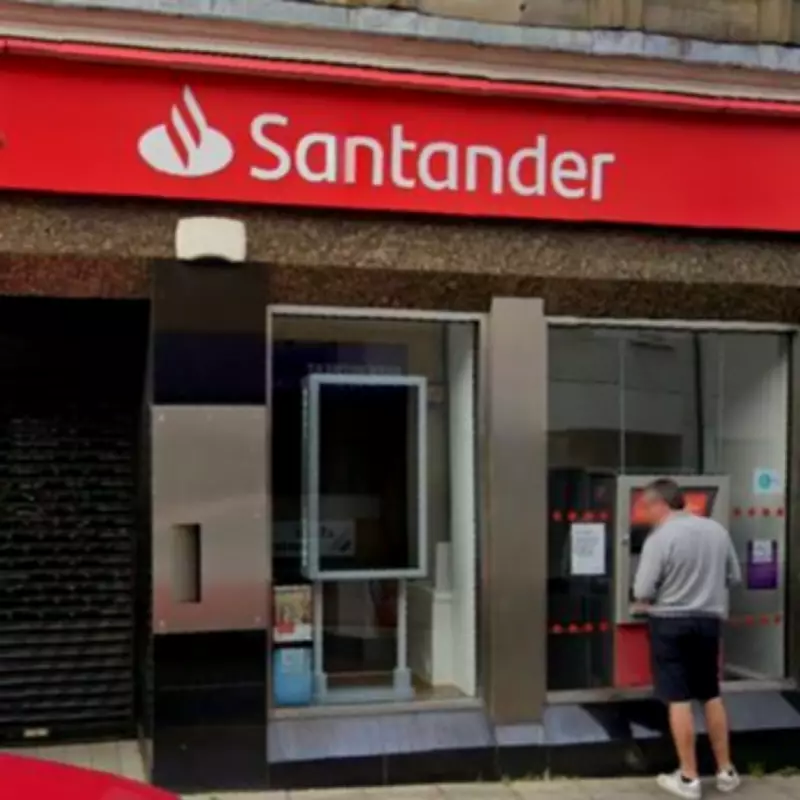
The government has stepped in amid growing concerns over the closure of hundreds of bank branches across the United Kingdom. Dozens of branches belonging to NatWest, Santander, Lloyds, Halifax, and Bank of Scotland are confirmed to be shutting their doors in May and June, joining a wave of closures that has already seen hundreds of branches disappear from high streets nationwide. Banks attribute this trend to a shift in customer behaviour towards online and mobile banking services.
This wave follows numerous previous closures from these institutions, as well as others such as Barclays and HSBC. However, earlier this year, Barclays announced a pause in its closure programme, stating it would instead maintain and invest in its remaining branches. Many closed branches have been replaced by banking hubs in alternative locations, offering limited banking services. Nonetheless, the widespread closures have left customers and organisations concerned about the diminishing availability of face-to-face banking services.
Government Response and Independent Review
In response, the government has declared it will "take action" to ensure continued access to essential banking services. HM Treasury has commissioned an independent review, stating: "The Government is taking action to ensure people and communities across the UK can continue to access the banking services they need by commissioning an independent review alongside delivering new powers to act on the findings." The review will gather evidence on the real-world impact of branch closures, identify the most affected groups, and assess where further action may be needed to protect access to banking services.

The review follows the announcement of the Financial Services and Markets Bill in the King’s Speech, which includes a proposed power to intervene swiftly if evidence supports the need for action on banking access. Lucy Rigby, Economic Secretary to the Treasury, emphasised: "Banking services are a really important part of lives and communities, and it’s critical we can all access what we need – whether through local banking services or strong community-based alternatives like credit unions." She added that the government supports the industry's rollout of banking hubs but needs a clear picture of communities still losing out. The independent review will identify problems and recommend further action, with legislation to follow where evidence shows it is needed.
The Access to Banking Review
Chaired by Richard Lloyd OBE, the Access to Banking Review will deliver a report and recommendations to the government by October 2026. Lloyd brings extensive regulatory and consumer experience, having served as a non-executive director and interim chair of the Financial Conduct Authority, and as executive director of Which?. He stated: "Banking is an essential service that every consumer and community in the UK needs. That’s why it’s so important to take stock of the impact that the big shift to digital services has already had, and to understand the need for access to in-person banking in the future." He welcomes a wide range of views and the Treasury’s commitment to action if legislation is needed.
Gareth Oakley, Chief Executive Officer of Cash Access UK, noted: "While cash usage continues to decline as digital payments expand, we’ve seen first-hand how important local access to cash and face-to-face banking is for many households and businesses." He reported that 237 banking hubs and over 140 deposit services have been opened, with 95% of customer needs met at hubs and nearly 9 in 10 customers recommending them. Oakley looks forward to contributing to the review.
Credit Union Reforms
The Financial Services and Markets Bill will also advance credit union common bond reforms announced in March, making it easier for credit unions in Great Britain to expand and broaden their membership. Credit unions are not-for-profit financial cooperatives owned and run by members, offering a safe alternative for savings, loans, and current accounts. Members pool money to lend to each other, accessing lower-cost credit and community-focused services, with profits reinvested for member benefit. As of early 2026, there were up to 390 active credit unions across the UK.

Sarah Harrison, Chief Executive of the Building Societies Association (BSA), welcomed the review and reforms: "Building societies and credit unions are rooted in local communities and provide more than 1 in 3 high street branches. As customer needs change, building societies are continuing to meet these both by investing in digital channels as well as innovating in high street branches and the use of community spaces." Matt Bland, Chief Executive of All Together Money, expressed delight at the credit union common bond reform, calling it a significant step for the sector's growth plan.
List of Branch Closures
In the latest wave, 130 branches of NatWest, Santander, Lloyds, Halifax, and Bank of Scotland are confirmed to close, most during May and June. Below is a full list of closures.
Santander
- Newton Abbot, Devon: May 19
- Stafford, Staffordshire: May 19
- Banbridge, County Down: May 19
- Liskeard, Cornwall: May 20
- Shirley, West Midlands: May 20
NatWest
May: Loughton (18), Tooting (18), Hove (19), Chorlton-cum-Hardy (20), Harlow (21), Hornchurch (21), Orpington (27), Waltham Cross (28).
June: Hemel Hempstead (1), Palmers Green, London (1), Aldershot (2), Welwyn Garden City (3), Pontefract (4), Southall (4), Sheffield-Attercliffe (8), South Shields (9), Kirkby Lonsdale (10), Boston (11), Grays (15), Liverpool Street Station (17), Fulham Broadway (18), Halifax (18).
August: Evesham (25).
September: Regent Street, London (30).
February 2027: Godalming (23, unless banking hub earlier), Sydenham (23, or later), Herne Bay (24).
Lloyds Bank
May: London Oxford Street (27), London Tottenham Court Rd (27), London Victoria (27), Bournemouth (28), Redhill (28), Streatham (28).
June: Cheapside (1), West Byfleet (1), Staines (1), Norwich Aylsham Rd (2), Birmingham Kingstanding (3), Cardiff Victoria Park (3), London Bridge (3), Birmingham Maypole (4), Golders Green (8), Birkenhead (8), Lymington (8), Altrincham (9), Crowborough (9), Lancaster (9), Southam (9), Hinckley (10), Birmingham Blackheath (10), South Newington (10), Wolverhampton Tettenhall (11), Hull Ings Rd (15), Moreton-in-Marsh (15), Birmingham Bordesley Green (16), Llangefni (16), Wareham (16), Tewkesbury (17), Woodley (17), Sevenoaks (18), Uttoxeter (18), Camberwell Green (22), Hoddesdon (22), Kingswinford (22), Aberdare (23), Coalville (23), Heswall (23), Ringwood (23), Didcot (24), Newmarket (24).
July: Swansea Enterprise Park (2).
August: Daventry (3), Bristol Fishponds (6), Horncastle (10).
2027: Clevedon (March 15), Ebbw Vale (March 15), Street (March 15), Honiton (March 16), Wednesbury (March 16), Stoke-on-Trent (March 17).
Halifax
May: Islington Upper St (27), Skelmersdale (27), Hammersmith (28).
June: Ashton-under-Lyne (1), Chichester (1), Cwmbran (2), Horsham (2), Southgate (2), Surrey Quays (2), Ashington (3), Sutton Coldfield (3), Beeston (4), Billingham (4), Ellesmere Port (8), Hunts Cross (8), Shipley (9), Didsbury (10), Bridgend (11), Cardiff Albany Road (11), Bognor Regis (15), Bramley (15), Greenford (16), West Bridgford (16), Goole (17), Halesowen (17), Thornaby (17), Chorley (24), Croydon City (25).
July: Torquay (9).
2027: Mexborough (March 15), Armthorpe (March 17).
Bank of Scotland
June: Garrowhill (4), Penicuik (4), Bridge Of Don (10), Haddington (11), Rutherglen (11), Broughty Ferry (15), Blairgowrie (18), Stonehaven (18), Kelso (18), Lochgilphead (22).
July: Benbecula, Balivanich (1), Largs (29).
October: Hawick (7), Grangemouth (8).
Closure dates marked with an asterisk (*) are subject to change as banking hubs have been recommended for those areas.