FIFA's World Cup Ticket System Crashes, Leaving Fans in Lengthy Queues
FIFA World Cup Ticket System Crashes, Fans Face Long Queues

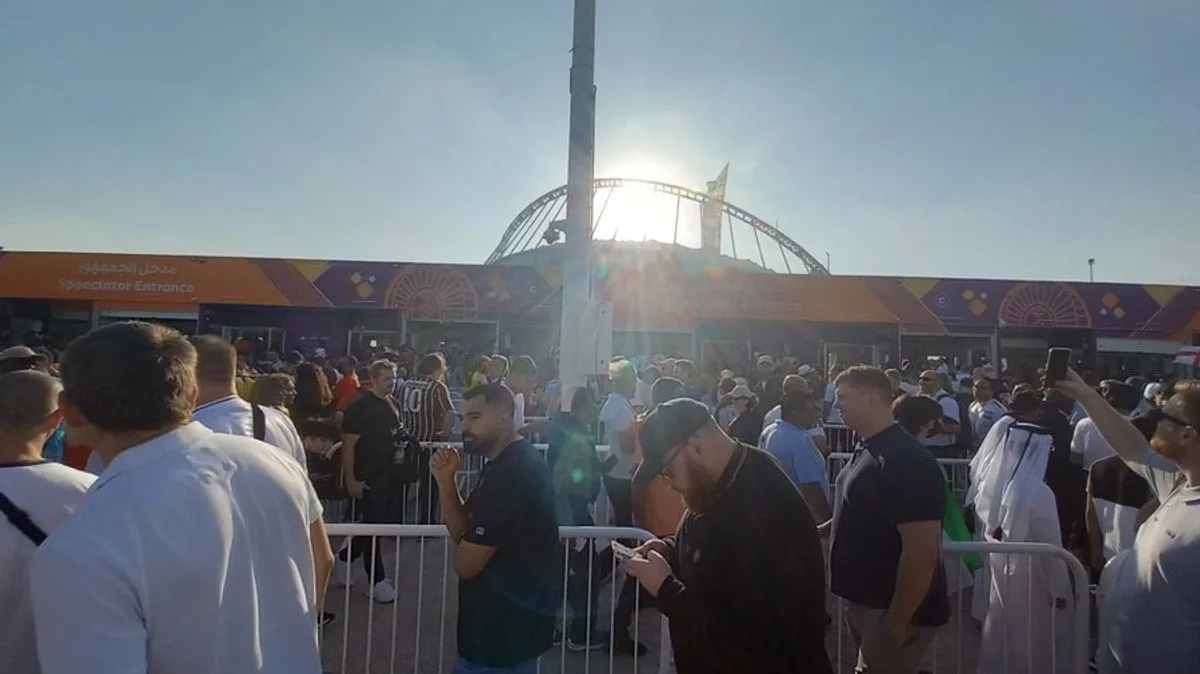
World Cup enthusiasts were left exasperated on Wednesday as FIFA's ticketing platform for 'last-minute' sales encountered significant technical failures shortly after the 48-team lineup was finalised. The system, which resumed operations at 11 am EDT, failed to clearly display available matches or price categories, adding to the widespread confusion among prospective buyers.

Virtual Queues and Misdirected Links Cause Major Delays

Many fans reported being trapped in virtual queues for over ninety minutes, with some who joined at the very start still waiting to access the ticketing portal long after sales commenced. In a further complication, users clicking on the 'last-minute sales phase' link were erroneously redirected to a 'PMA late qualifier supporters sales phase', which was specifically intended for supporters of the six nations that had recently qualified.

FIFA's Response and Ongoing Sales Strategy

FIFA did not provide an immediate explanation for the link misdirection but stated around noon that the ticketing system was subsequently functioning correctly. The organisation also clarified that not all remaining tickets for the 104 matches, scheduled from June 11 to July 19 across the United States, Mexico, and Canada, were being released simultaneously. Instead, additional tickets will be made available on a rolling basis throughout the tournament.

Wide Pickt banner — collaborative shopping lists app for Telegram, phone mockup with grocery list

This sales phase represents the fifth stage of FIFA's ticketing process, following earlier draws and an unscheduled availability period in late February. Notably, it marks the first instance where fans can purchase a specific seat location rather than merely requesting a ticket within a general category.

Dynamic Pricing and Political Backlash

FIFA is employing a dynamic pricing model for the tournament, which will be hosted in eleven U.S. cities, three in Mexico, and two in Canada. During the month-long sales phase after the December 5 draw, ticket prices ranged from $140 to $8,680. Following numerous complaints, FIFA announced that $60 tickets would be allocated to each participating national federation for their most loyal supporters, with an estimated 400-700 tickets per team for each match.

This pricing strategy has drawn sharp criticism from political figures. In a March 10 letter to FIFA President Gianni Infantino, sixty-nine Democratic members of the U.S. Congress argued that dynamic pricing starkly contradicts FIFA's mission to promote accessible and inclusive football development globally. They warned that the 2026 FIFA World Cup could become the most financially exclusionary and inaccessible tournament to date.

Resale Market and Fan Concerns

FIFA also operates its own official resale marketplace, collecting a fifteen percent fee from both the buyer and the seller. Fan groups have expressed significant concern over the escalating costs for resold tickets, with one organisation filing a formal complaint to the European Commission last month.

Infantino has defended FIFA's involvement in ticket resales, asserting that the governing body is engaged in a legal commercial activity under U.S. law. This stance contrasts with regulations in some European countries, where laws may restrict resale by requiring tickets to be sold at face value or only through authorised partners of the event organisers.

The final six nations to complete the World Cup field are Bosnia-Herzegovina, Congo, the Czech Republic, Iraq, Sweden, and Turkey. Meanwhile, fans of teams eliminated on Tuesday, including Italy, Poland, Denmark, Jamaica, and Bolivia, were able to attempt reselling tickets they had previously purchased.

In January, Infantino claimed that the volume of ticket requests FIFA had received was equivalent to 'the request for 1,000 years of World Cups at once,' describing the demand as 'unique' and 'incredible.' However, it remains unclear how many of those requests were for seats in the lowest-price categories, highlighting ongoing debates about affordability and access for global football supporters.

Pickt after-article banner — collaborative shopping lists app with family illustration