

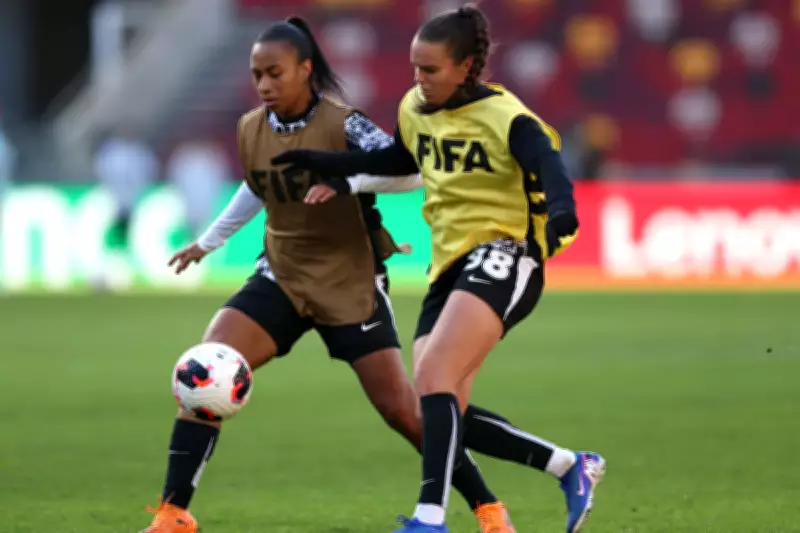
FIFA Implements Historic Rule Requiring Female Coaches in Women's Football
In a landmark move to promote gender equality, FIFA has approved new regulations mandating that every team participating in its women's tournaments must have a female head coach or assistant. The groundbreaking decision was ratified during the FIFA Council meeting on Thursday, 19 March 2026, marking a significant step toward addressing the persistent underrepresentation of women in coaching positions within the sport.
Implementation Timeline and Scope of the New Regulations
The new rule will take effect starting from the under-20 Women's World Cup in September 2026. It will subsequently be enforced at the Women's World Cup in Brazil next year, as well as at the second edition of the Women's Champions Cup and the inaugural Women's Club World Cup in two years' time. These regulations apply comprehensively to all youth and senior tournaments, national team competitions, and club competitions under FIFA's jurisdiction.
Additional requirements include:

- Teams must have at least two female staff members on the bench, which can include the mandatory coach.
- Each team is also required to have one woman on their medical staff.
Addressing the Gender Gap in Coaching
FIFA hopes this initiative will combat a troubling lack of female coaches, which persists despite the rapid expansion and popularity of women's football globally. Jill Ellis, FIFA's chief football officer and former head coach of the United States national team, emphasized the urgency of this issue.
"There are simply not enough women in coaching today. We must do more to accelerate change by creating clearer pathways, expanding opportunities, and increasing the visibility for women on our sidelines," Ellis stated. "The new FIFA regulations, combined with targeted development programmes, mark an important investment in both the current and future generation of female coaches."
Current Statistics and Historical Context
The need for such measures is underscored by recent data. Last summer's women's Euros set a competition record with seven female head coaches, yet this number still represented less than half of the teams in the tournament. At the 2023 Women's World Cup in Australia, only 12 of the 32 head coaches were women, including England's Sarina Wiegman. Currently, female coaches lead just four of the 12 teams in the Women's Super League.
Supporting Programmes and Future Initiatives
FIFA intends for these new rules to complement existing support structures designed to foster female coaching talent. Key programmes include:
- The FIFA coach scholarship programme, which has supported 795 female coaches across 73 member associations.
- The Elite Performance Coach Mentorship programme, running for three years, which pairs 20 experienced and emerging coaches to facilitate knowledge transfer and professional growth.
In related developments, the FIFA Council confirmed that hosts for the 2031 and 2035 editions of the Women's World Cup will be announced at an extraordinary congress later this year, rather than at the scheduled meeting on 30 April in Vancouver. This standalone event aims to highlight the growing importance of women's football on the global stage.
Potential Hosting Opportunities for the UK
Last April, FIFA confirmed that the United Kingdom is the sole bidder to host the 2035 Women's World Cup. The four home nations' Football Associations submitted their joint bid in November 2025. If successful, this event would become the largest single-sport event ever staged in the UK, featuring 22 proposed stadiums across 16 host cities: 16 in England, three in Wales, two in Scotland, and one in Northern Ireland.
This comprehensive approach by FIFA reflects a concerted effort to not only regulate but also actively invest in the infrastructure and opportunities for women in football, aiming to create a more inclusive and equitable future for the sport.






