Former Wallaby David Knox Avoids Conviction After Admitting Security Camera Offences
Former Australian rugby international David Knox has escaped criminal conviction after admitting to stealing a security camera and destroying a CCTV doorbell during a protracted neighbourhood dispute in Sydney's eastern suburbs. The 62-year-old, who was part of Australia's 1991 Rugby World Cup-winning squad, had been charged with larceny, intentionally destroying property, and contravening a restraining order.
Mental Health Provisions Applied in Court Case
On Monday, Waverley Court Magistrate Jennifer Atkinson dismissed all charges against Knox under Section 14 of the Mental Health and Cognitive Impairment Forensic Provisions Act. The magistrate noted that Knox had been diagnosed with moderate depression, anxiety, stress, and adjustment disorder, determining these impairments were sufficient to deal with the matters through mental health provisions rather than criminal conviction.
"His reaction was not appropriate," Magistrate Atkinson stated during proceedings, acknowledging there had been "a longstanding dispute" between Knox and his neighbour that had continued for "quite a long period of time." She accepted that Knox had told a psychologist he was not proud of his behaviour and accepted his actions were wrong.

Details of the Neighbourhood Conflict
The court heard that Knox's legal troubles stemmed from a falling-out with neighbour Roderick Parker, with both men living in the same Arden Street, Coogee apartment block. According to tendered facts:
- Knox approached Parker's rear door on November 3 about 1:45pm
- CCTV footage captured him covering a doorbell camera with chewing gum and cardboard
- He then climbed a ladder to steal a security camera and sensor light worth $200
- When the cardboard fell off, Knox used sandpaper to destroy the doorbell camera lens
The incident occurred barely two months after Parker had obtained an apprehended personal violence order against Knox in August. The two men are the building's longest-established residents, with Knox purchasing his two-bedroom unit for $325,000 in 1997 and Parker paying $740,000 for his in 2013.
Knox's Distinguished Rugby Career
The former fly-half enjoyed a remarkable rugby career spanning international and club levels:
- Capped 13 times for Australia between 1985 and 1997
- Part of Australia's 1991 Rugby World Cup-winning squad
- Played alongside legends Nick Farr-Jones and George Gregan
- Won eight first grade premierships with Randwick
- Retired with a record 2,842 points for Randwick - the highest scorer in Australian club rugby
- Played 246 games for Randwick from 1982 to 1998
The Classic Wallabies website describes Knox as "the closest thing Australia had to Mark Ella after the great fly-half's retirement" and notes he possessed "superb ball and handling skills" and could dominate games through his "bag of tricks."
Court Proceedings and Conditions
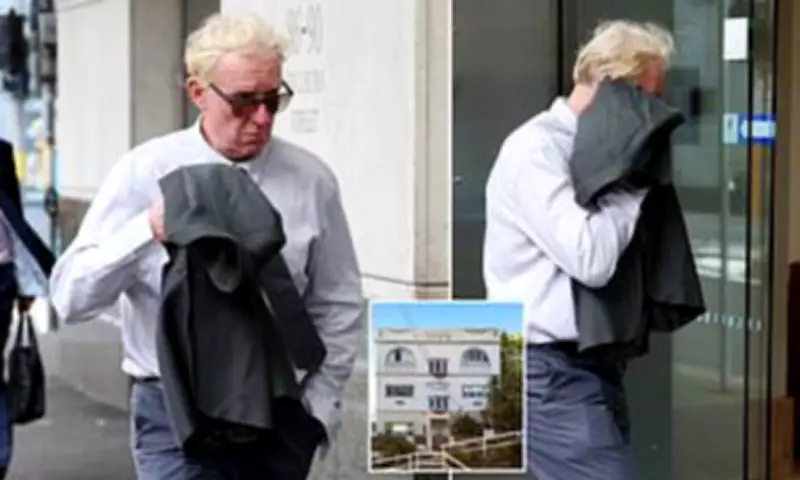
Knox showed some of his old evasive skills during court appearances, attempting to dodge photographers while arriving at Waverley Court, which is sitting temporarily in John Maddison Tower. The casual high school teacher had all matters dismissed on condition he comply with a treatment plan devised by his general practitioner.
Magistrate Atkinson recognized Knox had no similar matters on his criminal record. The case had previously been before Magistrate Michael Barko on December 4, but he disqualified himself due to his previous 20-year service as honorary counsel for the Randwick District Rugby Union Football Club before his judicial appointment in 2012.
Knox's path to representative honours was initially blocked by rugby greats Mark Ella and Michael Lynagh. His first big break came when Ella suddenly quit rugby after the 1984 Grand Slam tour, opening a spot for him in the NSW side the following year. When Lynagh was ruled out of the 1985 home series against Fiji due to injury, Knox made his debut for the Wallabies.

Despite being selected for the 1991 Rugby World Cup squad, Knox did not play a match during the tournament that Australia won under Farr-Jones's leadership. He returned to the Wallabies for two Tests in 1994 and played his last of 13 Tests in 1997, scoring 130 points during his international career.