The Department for Work and Pensions (DWP) has confirmed there are no plans to reduce the state pension age to 65, despite a petition surpassing 116,000 signatures and growing concern over planned increases.
A petition on the Parliament website, started by Michelle Gill, has now exceeded 116,000 signatures, meaning it must be considered for a debate among MPs. It is still awaiting confirmation that this will take place. Should it go ahead, ministers will be obliged to set out their position and any potential changes.
The state pension age began its increase from 66 in April 2026 and is due to reach 67 by April 2028.
Petition calls for reduction to 65
The petition states: "Reduce the state pension age to 65. We believe this could mean people can retire with dignity and avoid hardship. We also think it could free up jobs for younger workers entering the labour market."
It adds: "Many aged 65-67 face poor health, caring pressures, and limited work options, which we think is unfair."
In response to the petition, the DWP declared: "There are no plans to reduce State Pension age to 65. We are fortunate today that more people are reaching older ages: life expectancy has risen rapidly over the past century, driven by breakthroughs in medical treatments and generally healthier lifestyles."
Government support measures outlined
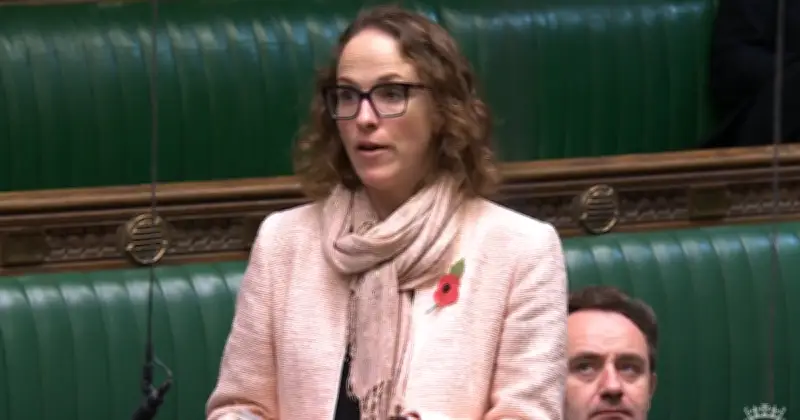
In a new Parliamentary written question, Liberal Democrat Alison Bennett asked Secretary of State for Work and Pensions Pat McFadden whether the government plans to review the practical support intended for people approaching retirement who are struggling financially or cannot continue working until state pension age.
Andrew Western, Minister of State at the DWP, said: "The government recognises that some people approaching State Pension age may face financial hardship or be unable to continue working due to disabilities, health conditions, caring responsibilities or other barriers."
He added that people struggling financially who have not yet reached state pension age may be eligible for Universal Credit, and that additional support is available for disabled people, people with health conditions, or caring responsibilities that limit their ability to work.
Western also highlighted the 50PLUS Champions in jobcentres, the Midlife MOT, and the creation of a new Jobs and Careers Service as part of plans to "Get Britain Working", with an enhanced focus on skills and careers for those aged 50 and over.
Committee warns of impact on vulnerable groups
The Work and Pensions Committee has raised concerns about the impact on those unable to remain in work, highlighting significant regional inequalities in living standards across the UK.
A report examining pension age increases, published this summer, noted an increase in the percentage of people aged 60 to 64 reporting a work-limiting health condition, from 28% to 31%. It also noted that healthy life expectancy at birth fell by two years over the decade to 2024, with inequalities between the least and most deprived areas widening.
The report stated: "In England, it is highest in Richmond upon Thames, where people can expect to live 70 years in good health, and lowest in Blackpool and Hartlepool, at around 51."
It also warned that the last rise from 65 to 66, between late 2018 and 2020, caused the income poverty rate among 65-year-olds to more than double, and that the impact of the increase to 67 may be even greater. The committee cautioned that the government must not allow a prolonged period during which 66-year-olds are left without financial support should they be incapable of continuing to work until 67.
It stated: "The government must not just allow that to happen. We heard an increase in the level of Universal Credit in the year before State Pension age would cost £600 million a year, a small proportion of the significant savings-£10.5 billion a year once the State Pension age is 67, compared to if it had stayed at 66."
Office for National Statistics life expectancy projections show that in 2026, men aged 66 in the UK can be expected to live on average a further 19.3 years, and women aged 66 a further 21.9 years; by 2046, it is projected that this will have increased by an additional 1.6 years.