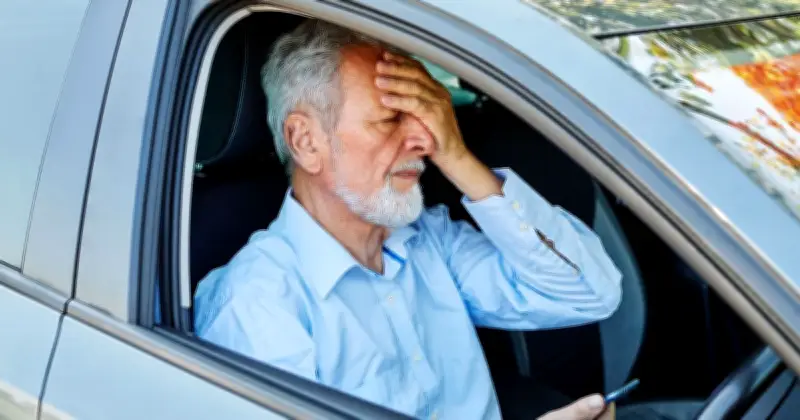
The average time the Driver and Vehicle Licensing Agency (DVLA) takes to decide on a driving licence application involving a medical condition has increased sharply, from 44.1 working days in 2024-25 to 61.9 working days so far this year. Campaigners warn the delays are causing isolation, loneliness and distress among drivers who depend on their cars.
Campaigners report rising anxiety
Graham Footer, chief executive of Disabled Motoring UK, said the group hears from people who are “anxious, frustrated and distressed about the length of time they have been kept waiting for a decision”. “Disabled people deserve better,” he added. He said the process is often held up because the “DVLA is at the mercy of the NHS when requesting further medical evidence from the applicant’s doctor or specialist, and because the NHS is under so much strain it cannot always supply the requested information in a timely manner”.
Edmund King, president of the AA, said medically fit drivers must not be “stranded in a bureaucratic traffic jam”. He noted that medical checks are essential for road safety but expressed concern that motorists needing investigations face longer waits, despite the DVLA introducing a new digital system and recruiting additional staff. “For many people, particularly older drivers and those with medical conditions, being able to drive is a vital lifeline for maintaining their independence, attending medical appointments, and keeping in touch with family and friends,” he said.
Political and motoring responses
Shadow Transport Secretary Richard Holden voiced concern, saying: “For many older and disabled drivers, being left without a licence means missing work, missing appointments or having to rely on someone else just to get to the shops. We’ve been warning Labour about these delays for months.”
Simon Williams, head of policy at the RAC, said it is critical that drivers are medically fit to drive, but the process must be carried out as quickly as possible because so many people depend on their cars. He cited long-term RAC research showing eight in 10 people would struggle to get by without driving, rising to nine in 10 among those aged over 65.
DVLA response and next steps
A DVLA spokesperson said: “We are currently seeing high demand for applications with health conditions, and have made a number of changes to improve the service for these customers. These include a new online service that makes it easier to apply and track an application, and a new casework system for our staff. Our target is to reduce the average time to make a licensing decision to 45 working days by March 2027.” In February, it took 71.4 working days on average to process medical driving licence applications.
Chris Brooks of Age UK said long waiting times are “regrettable and are likely to increase the stress for older people who are already anxious about whether they will be able to keep driving or not”. He stressed the importance of alternatives to driving, saying: “It’s important that older people aren’t unnecessarily or unfairly made to stop driving, but if and when the day arrives when it really is time to hang up the keys for good, it’s essential that there’s support to help them manage to continue to live well without driving. Among other things, this means ensuring there is access to good quality public transport so they can continue to get out and about.”