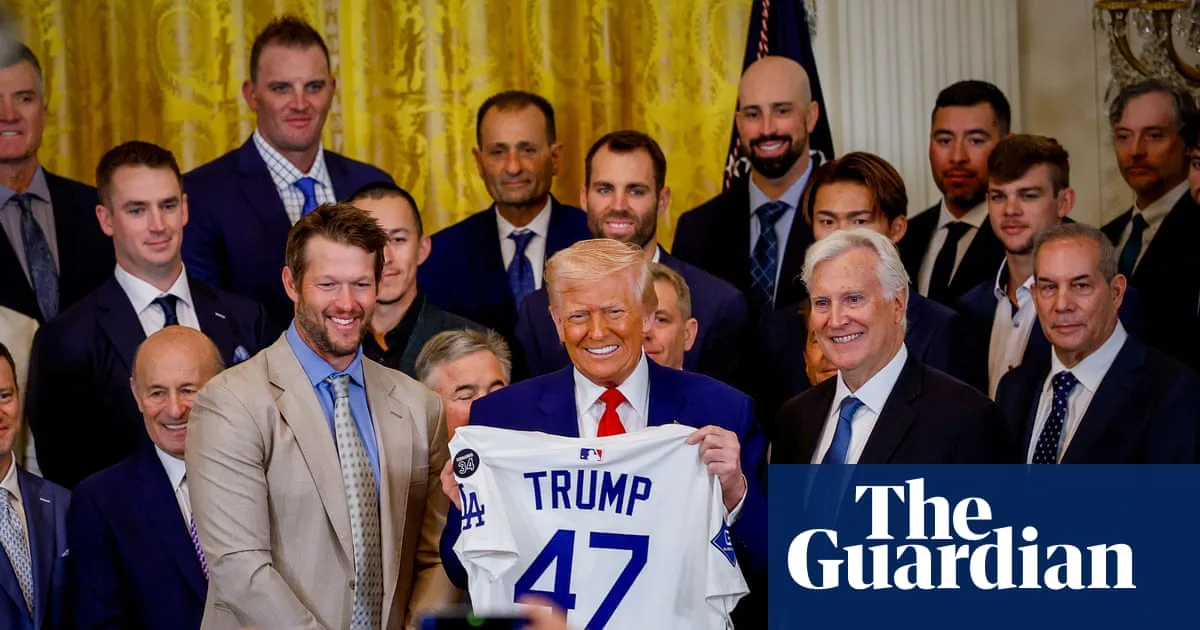
The World Series champions are due at the White House on Thursday, a customary honour for winning teams, but for many supporters the visit is overshadowed by President Donald Trump's depiction of Los Angeles and his administration's immigration policies. The Dodgers have won the title in each of the past two years, yet this year's trip has prompted a more divided response from a fanbase that is nearly half Latino.
Among those ambivalent is Juan, a lifelong fan who asked to be identified only by his first name amid the immigration crackdown. His father, a Guatemalan national resident in the US for nearly 30 years, was deported last year. Juan noted that two of the city's soccer teams released statements of solidarity with immigrant families during recent immigration raids, but the Dodgers did not. He also pointed to the franchise's ownership group, Guggenheim Partners, which holds a stake in GEO Group, a major private operator of immigration detention centres.
The financial burden of his father's detention deepened his disillusionment. Juan described charges for basic items – $50 to open a phone account, $80 for a long-sleeve shirt – and said his family was forced to pay hundreds of dollars. "I don't think I've watched a full Dodger game since," he said, adding that he would not give his money to an ownership profiting from his family's ordeal.
The visit has drawn criticism beyond those directly affected. Los Angeles Times columnist Bill Plaschke wrote: "The Dodgers do know they play in Los Angeles, right? Then why in the hell do they insist on embracing the person trying to tear this city apart?" Natalia Molina, a professor of American studies and ethnicity at the University of Southern California, acknowledged the team's diverse roster could foster positive views of other cultures, but found the prospect of players smiling alongside Mr Trump jarring. "At the end of the day, it's jarring to see players smiling with a person who harbors hatred toward our community," she said.
Dodgers manager Dave Roberts told reporters he was a coach, not a politician, and that it was up to individual players to decide whether to participate.