

The Rise of Child Weightlifting: A New Fitness Frontier
In an era where fitness trends dominate social media, a surprising shift is emerging: young children are increasingly participating in weightlifting and resistance training. This movement, driven by parents who see value in early strength building, is sparking debates over safety and appropriateness. Experts are now weighing in to separate fact from fiction.
Parental Perspectives: From Milestones to Muscle
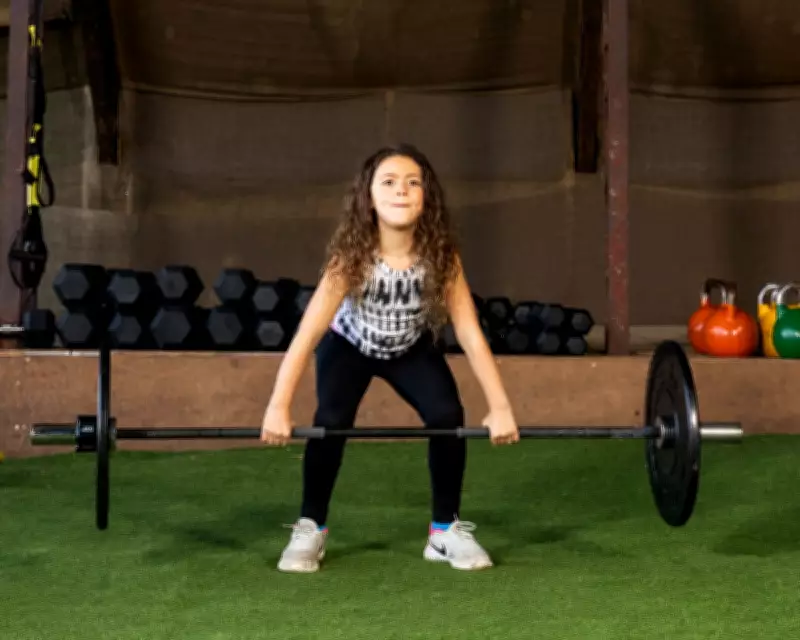
Eve Stevenson, a personal trainer and former British weightlifting champion from south-west London, recalls a unique milestone: watching her six-year-old daughter, Madison, deadlift 35 kilograms. "It was pretty cool," Stevenson says, though she faces criticism from those who believe such activities stunt growth or are dangerous. She emphasizes that her children's interest began naturally, as they mimicked her workouts. "What child doesn't look at their parents and want to do what they're doing?" she asks.
Stevenson is not alone. Across the UK, parents like Alex Reader, a gym owner in Devon, are embracing this trend. His children, Atticus, four, and Ottilie, 12, show enthusiasm for lifting after seeing their dad in action. Reader has even launched parent-child classes, arguing that weightlifting is no riskier than common childhood activities like sprinting or climbing. "The forces involved might be similar," he notes, suggesting that training could prevent injuries during play.

Expert Insights: Debunking Myths and Promoting Safety
Jon Oliver, a professor in applied paediatric exercise science at Cardiff Metropolitan University, attributes public unease to outdated beliefs. "Myths about stunting growth have persisted for decades," he explains, referencing early 20th-century studies that have since been updated. In 2014, an international consensus statement in the British Journal of Sports Medicine supported youth resistance training for health and performance benefits, provided it is supervised by professionals.
NHS guidelines for five- to 18-year-olds recommend muscle-strengthening exercises, including weights under qualified supervision, aligning with World Health Organization advice. Oliver stresses that starting with body weight or resistance bands is safe, progressing slowly to barbells or kettlebells as skills develop. "It should be all about technique and fun," he adds, to maintain children's interest.
Commercial Boom and Psychological Considerations
The trend's popularity is reflected commercially. Rich Hawkins, an entrepreneur near Coventry, launched Little Lifters in 2025 after his four-year-old son, Saxon, showed interest. The brand sells adjustable plastic weights and saw sales grow by 137% in late 2024, boosted by endorsements like Joe Wicks. Hawkins highlights research linking fitness to better academic focus and results.
However, Dr. Martha Deiros Collado, a clinical psychologist, cautions parents to ensure children's interest is genuine, not pressured. She advises offering choices and modeling healthy attitudes, emphasizing strength for health over aesthetics. Similarly, Steph Morris, a lecturer at Cardiff Met, warns against premature specialization to avoid injury and burnout, promoting a sampling approach with diverse activities.
Broader Benefits and Future Outlook
For some families, weightlifting addresses specific health needs. Kate, a parent whose eight-year-old has type 1 diabetes, involves her children in gym sessions to manage health, despite criticism from relatives. She notes the family-friendly environment and modified routines, such as squats and deadlifts with lighter weights.
Reader and Stevenson hope their children gain mental resilience from training. "The gym teaches grit and provides an outlet," Stevenson says, reflecting on her own upbringing. As public perception shifts—fueled by shows like Gladiators and social media campaigns—experts agree that with proper guidance, child weightlifting can be a safe, beneficial addition to youth fitness, fostering lifelong healthy habits.






