Burnham's Rapid Rise to Power
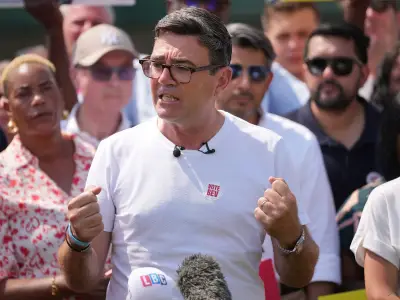
One week after Keir Starmer's resignation, Britain faces a mix of certainty and ambiguity. Andy Burnham is almost guaranteed to be prime minister by the end of summer, barring a scandal or meteorite. However, his return to Westminster—he was not an MP until a fortnight ago—and the speed of Starmer's exit have created a situation where a figure could enter Downing Street without a clear policy agenda beyond the buzzword of 'change'. Major unions are already debating who should be Burnham's chancellor, signalling a political project being conceived in real time.
Clues from Burnham's Past
Burnham's 16-year Westminster career before his mayorship offers insights. On welfare reform, in 2015 he abstained on George Osborne's austerity bill, citing collective responsibility, though he called it 'unsupportable'. Now, facing pressure from the rightwing media and Labour backbenchers who rebelled against Starmer's PIP cuts, Burnham has said he is 'not squeamish' about reducing benefit spending but prefers a 'preventative' approach to support people back to work.
Social Care and Tax Reforms
As health secretary in 2009, Burnham proposed a free-at-point-of-use care service funded by abolishing inheritance tax and a 10% estate levy, which was labelled a 'death tax' by the Tories. Last month, he told the Guardian he 'wouldn't flinch' from tax changes to fund social care and wants the Casey review published by year-end. However, questions remain on migrant care worker visas and Home Secretary Shabana Mahmood's hardline stance.

Cost of Living and Nationalisation
Burnham's Bee Network in Manchester suggests a premiership focused on public control of essentials to make 'life more affordable'. He has also floated a land value tax to replace council tax and stamp duty since 2010, while the rightwing press fears he will raise capital gains tax. In his Makerfield victory speech, he emphasised hope for small pleasures like 'a night out or a holiday with the kids'.
The Burden and Opportunity
Burnham inherits widespread disappointment with Starmer and a rising Reform UK. He can make a distinct break from centre-right policies, but 'a bit better than the last guy' may not suffice. As Frances Ryan notes, Starmer squandered opportunities; Burnham must seize them to address Britain's crises.