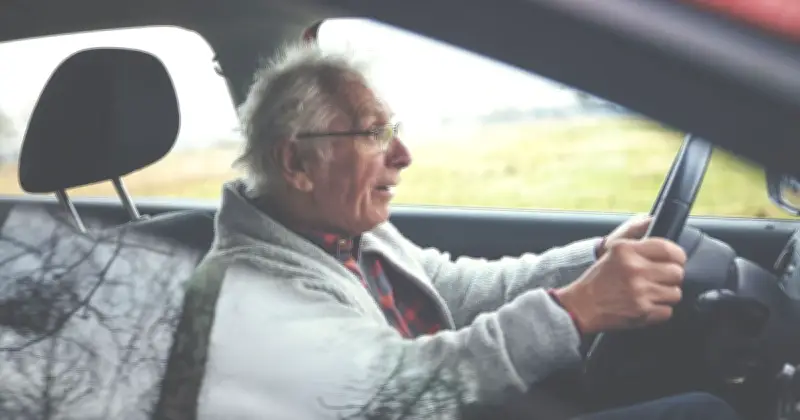
Andy Burnham has been urged to introduce annual eyesight checks for drivers over the age of 80, as mandatory testing for motorists over 70 is set to be introduced.
Drivers above the age of 70 will soon be required to undergo eyesight testing to keep their licence, with checks needed at every licence renewal, which would be every three years.
Call for more frequent checks
Steve Walker, Head of Digital Content at Auto Express, suggested that those over the age of 80 should be checked more frequently, with vision tested every 12 months.
Steve said: “Evidence shows that eyesight can deteriorate more quickly with age, and older drivers are statistically more likely to be involved in serious accidents, which is why targeted, mandatory checks for over-70s make sense from a road safety perspective, and testing every three years is certainly a sensible starting point.
“However, there is a strong case for increasing the frequency as drivers get older. Moving to annual checks from the age of 80, for example, would provide greater reassurance that age-related deterioration is being picked up before it becomes a danger on the roads.
“Ultimately, the aim should be to make sure drivers are assessed often enough to remain safe behind the wheel, while allowing those who meet the required standards to retain their independence.”
Government exploring age thresholds
The Department for Transport (DfT) previously suggested that increasing the frequency of checks as drivers reach higher age thresholds was an area being explored. The consultation report suggested that the rules could change as road users hit 75, 80 or 85.
Data from the DfT revealed there are currently more than 6.3 million individuals above the age of 70 with a driving licence. This is set to rise, with almost 7 million licence holders expected by 2030.
Steve added: “Whatever their age, motorists should take responsibility for their vision and get their eyes checked regularly, particularly if they notice blurred distance vision, difficulty reading road signs, increased glare from headlights, poor night vision or double vision. All of these can affect their ability to spot hazards and react quickly enough to drive safely.”