
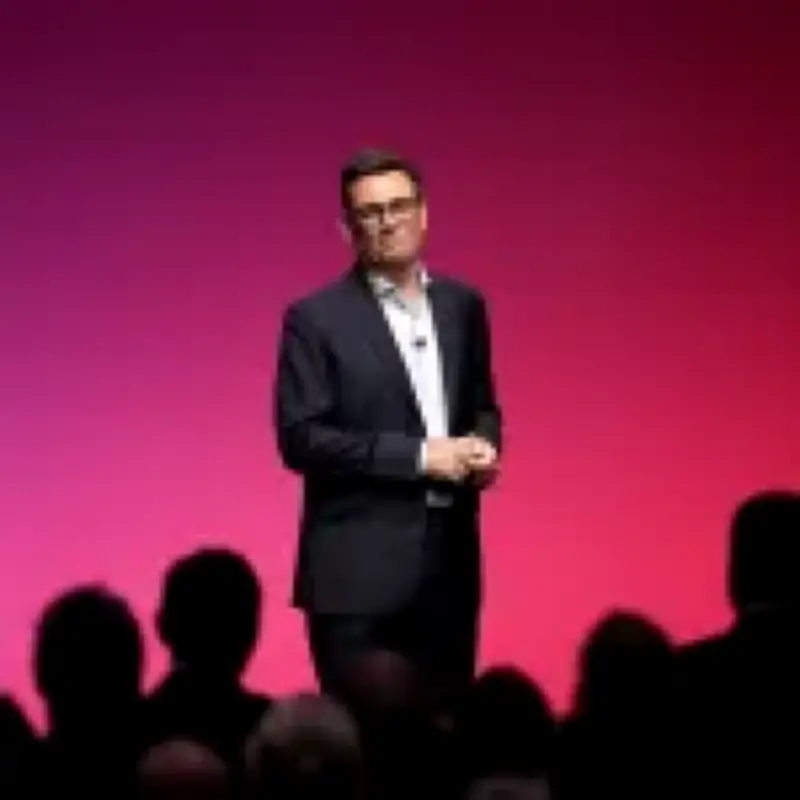
Andy Burnham has announced that Labour would put an adjustment to the state pension triple lock in its party manifesto at the next election, with the savings going towards the cost of the planned National Care Service. The change would not come into effect until April 2030.
Currently, the annual rise in the state pension is decided by the highest figure out of 2.5%, the inflation rate, and wage growth. Under the change, the automatic link to wages would be dumped. The state pension would still rise by a minimum of 2.5% each year and more in times of high inflation, but it would not grow faster than earnings – which makes sense, economists argue, since it is the taxes on those earnings that fund the state pension.
Political reactions and public opinion
There are arguments to be had over whether Burnham’s plan is the best possible solution to the triple lock quandary, and there is already widespread scepticism of the suggestion that the savings would make much of a dent in the mammoth cost of a National Care Service.
The triple lock is maligned by many economists but the public quite like it – after all, it is hard to argue against giving more money to people in their old age. That has resulted in a situation where all the major parties, including Labour in its 2024 election manifesto, back the policy, despite warnings about its unsustainability.
In Brighton last week, Lib Dem leader Sir Ed Davey argued in favour of the triple lock on a conference stage even as a majority of his own party members put their hands up to say they would end it. Reform UK and the Tories also threw their weight behind the existing system immediately after Burnham’s speech, arguing the PM was throwing pensioners under the bus.
A shift in Westminster wisdom
Conventional Westminster wisdom dictates that responding to any proposals to end the triple lock by calling it an attack on older people is the way to play it, reaping electoral rewards. However, a YouGov poll found that 48% of Brits supported reducing the strength of the triple lock to help fund a National Care Service, compared to 28% who were opposed.
The hour-long address has exploded the debate about the triple lock, and also did the same for several other issues, including the EU, with Burnham now suggesting rejoining may be on the cards, and electoral reform, with potential Labour backing for a transformative new voting system. These long-suppressed arguments have been launched to the surface, and Burnham seems eager to have them. Even before any of his plans are put into action, the transformation has begun.




