American autoworkers who supported Donald Trump in recent elections are now feeling the effects of offshoring and tariffs, with some questioning the promises made to revive manufacturing. At town hall meetings organised by Public Citizen and the United Auto Workers union in several Midwestern states, workers shared their experiences with trade policies and the impact on their livelihoods.
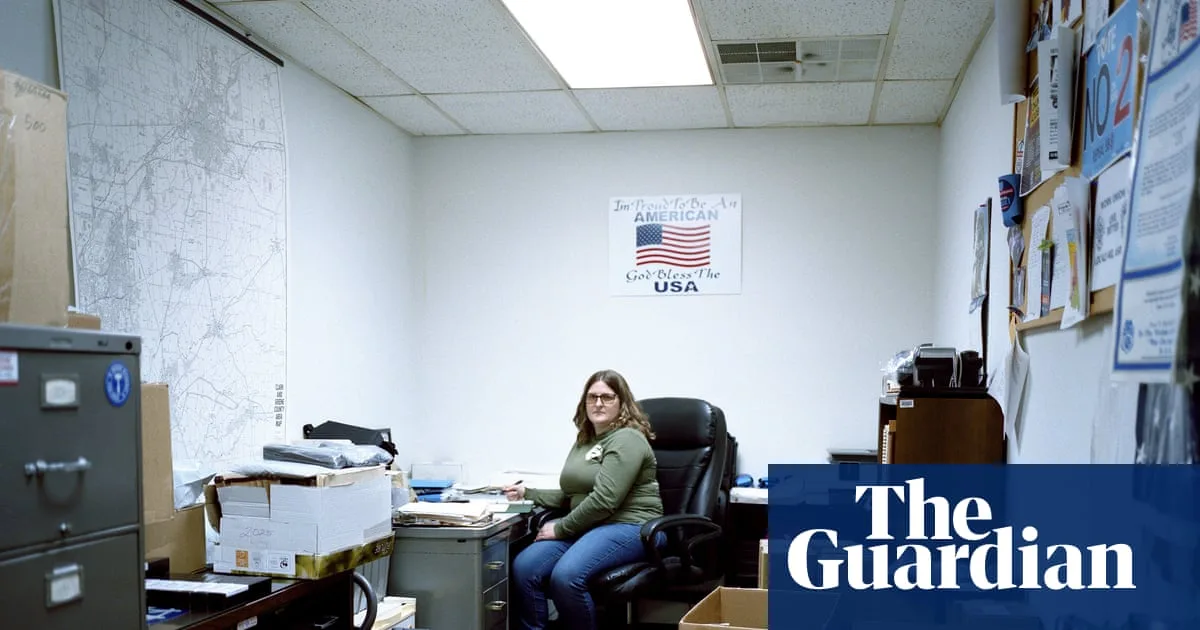
Brenda Davis, a retired Ford worker from Ohio, expressed dismay after discovering that a Buick she purchased from General Motors was built entirely in China. She noted that foreign cars are often banned from autoworker parking lots as a symbol of the threat outsourcing poses to their jobs. Morgan Hughes, a current employee at a General Motors assembly plant in Springfield, Ohio, said tariffs have led to a decline in workload and increased uncertainty after the plant’s recent sale.
Trade deals such as the North American Free Trade Agreement (NAFTA), signed in 1994, have been blamed for the loss of US manufacturing jobs. According to the US Department of Labor, more than 950,000 jobs were certified as lost due to NAFTA, though the actual figure is likely higher. Manufacturing employment peaked at 19.6 million in 1979 and now stands at about 12.6 million.

At a town hall in Dearborn, Michigan, Representative Rashida Tlaib criticised previous trade agreements, stating they led to a “global race to the bottom” that widened inequality. The Midwestern region, which once accounted for nearly a third of US manufacturing jobs, lost over one million such jobs between 1990 and 2019.
Hughes noted that her father worked at the Springfield plant when it employed over 5,000 workers in the 1990s; now only about 1,300 remain. She said production has moved to Mexico due to cheaper labour. Janice Williams, a former Ford worker from Ohio, said offshoring has taken opportunities away from her family, including her ancestors who were Black coalminers in Kentucky. The town halls aim to address these concerns as Democrats try to win back blue-collar voters ahead of the 2026 midterm elections.