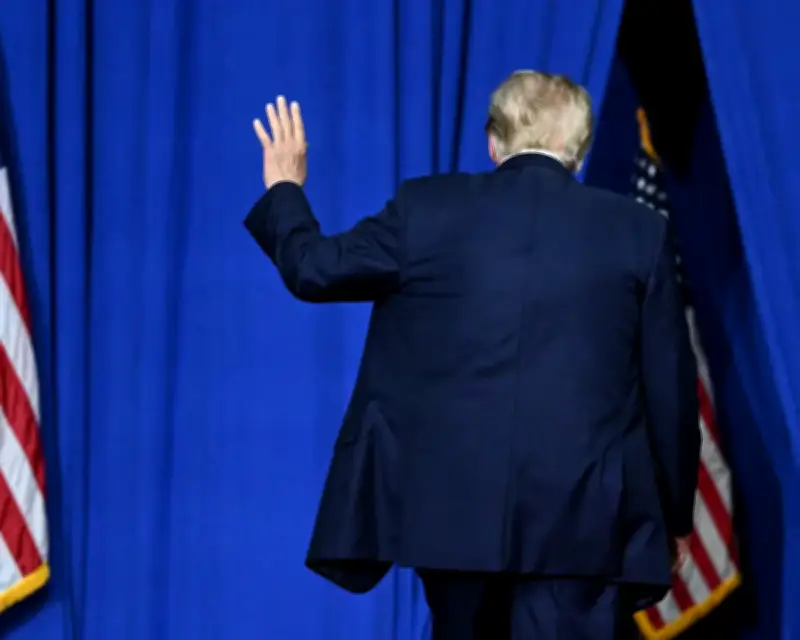
Donald Trump's approach to the 2026 midterm elections is built on a foundation of personal devotion rather than traditional policy platforms, according to a new analysis. The former president's campaign strategy prioritizes loyalty tests and emotional connection with his base over detailed legislative agendas, a shift that is reshaping Republican primary contests across the country.
Loyalty as the Central Theme
The analysis highlights that Trump's rallies and endorsements emphasize fealty to his movement, with candidates being evaluated primarily on their public support for him. This dynamic has created a political environment where devotion to the former president is the primary qualification for office, eclipsing experience or policy expertise.
This strategy has had a pronounced effect on Republican primaries, where challengers aligned with Trump have frequently defeated incumbents who have shown any independence. The result is a party that is increasingly unified around a single figure, but at the cost of a coherent policy agenda.

Impact on Party Unity and Governance
The focus on devotion is also influencing how the party approaches governance. Lawmakers are reportedly more concerned with maintaining Trump's approval than with passing specific legislation, leading to a reactive rather than proactive legislative strategy. This has created tensions within the party, as some members express concern about the long-term implications of a movement centered on a single personality.
The analysis concludes that while this approach has proven effective in energizing Trump's core supporters, it presents significant challenges for the Republican Party as it seeks to broaden its appeal beyond its base. The strategy's success in the midterms will likely determine whether this devotion-first model becomes the party's permanent template.