

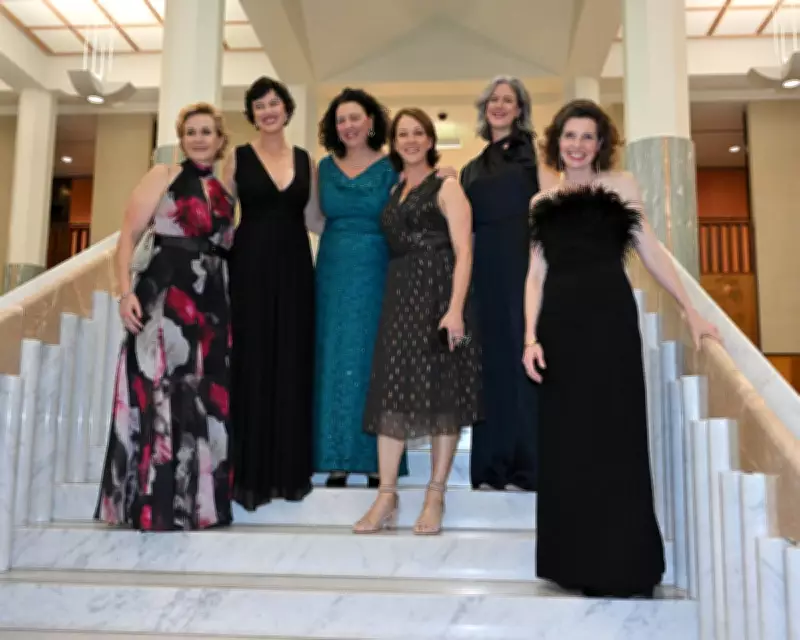
Independent MPs in Australia, known as the teals, are reportedly considering forming a centrist party to fill the void left by the Liberals' shift to the right and to counter the rise of One Nation. The discussion, confirmed by Warringah MP Zali Steggall, has sparked debate among the crossbenchers about the future of their movement.
Motivations Behind the Proposal
Two main factors are driving the talks. First, new electoral laws that cap political donations and spending favour major parties, making it more attractive for minor players to establish a party structure. For instance, independents can spend a maximum of $800,000 campaigning in their seat, but a party running candidates in all 150 electorates could tap into a national campaign budget capped at $90 million. A party structure would also allow them to contest the upper house, which appears to be Steggall's main target.
Second, the crossbenchers face a perpetual challenge of remaining relevant. Labor's 94 seats in the House of Representatives and the composition of the Senate have reduced independents to largely peripheral figures this term, except for the high-profile David Pocock. Teal sources believe forming a party could give them greater prominence, influence, and a bigger voice to counter One Nation.

Divergent Views Among Teals
However, not all teal MPs are on board. Independent MPs Kate Chaney and Monique Ryan released statements effectively ruling out joining any new political alliance. Rookie MP Nicolette Boele confirmed she would contest her seat of Bradfield as an independent at the next federal election. In contrast, Sydney teals Allegra Spender and Sophie Scamps see merit in continuing the discussion.
Steggall, a former Winter Olympian who entered parliament after defeating Tony Abbott in 2019, said: "I've always been open to having conversations to look at how do we evolve and grow the movement. There's been significant changes. I think, as an athlete, you always have to meet the field of play. Staying still is not how you keep winning."
Liberal Void and Potential Exodus
Steggall argues that a new centrist party would be unnecessary if the Liberal party hadn't vacated the political middle ground, leaving what former prime minister Malcolm Turnbull described as a "vacuum" for the teals to fill. A centrist party could provide an exit route for moderate Liberals—both MPs and supporters—who no longer feel at home in the party of Menzies.
Guardian Australia has learned that a small group of former Liberal members participated in a Zoom call with independents earlier this year amid growing unease about their party's direction. The discussion didn't lead anywhere, as it became clear the independents were not a "homogenous" group that would fit neatly into a party. But their appetite for something different has not diminished.
Hannah March, a former ministerial staffer in the Turnbull and Morrison governments who now works as a barrister in Adelaide, said: "The country we love is in decline and we need a fresh, clear vision to move us forward. We need to ask ourselves whether we want One Nation to be His Majesty's loyal opposition in Canberra and, if the answer is 'no', do something."
Uncertain Future
For her part, Steggall denies courting Liberals, and there is no evidence that any are preparing to swap blue for teal. A "teal" party might never be formed. But the fact that it is even being discussed speaks volumes about how rapidly Australia's political landscape is shifting.






