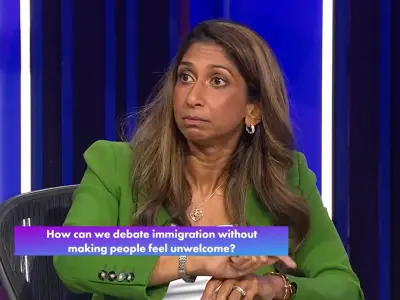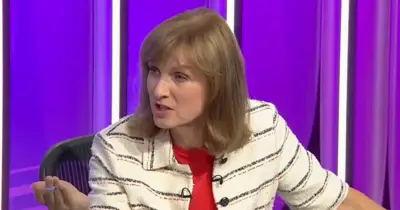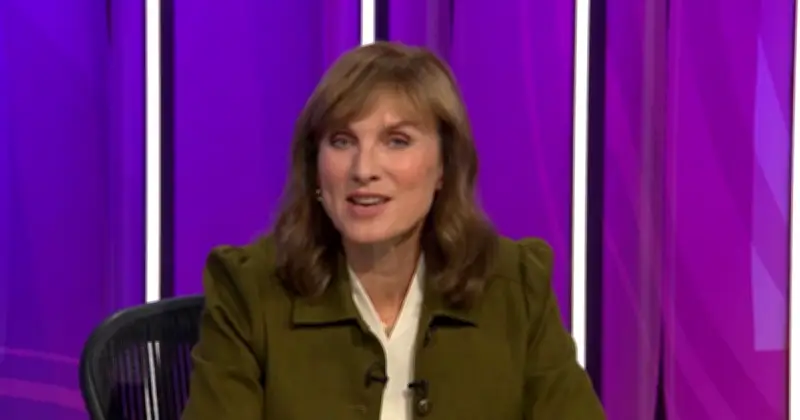
Reform UK has accused BBC's Question Time of "boundless bias", prompting the programme to issue a formal response denying the allegations. The claim centres on presenter Fiona Bruce, who is said to have privately admitted that the usual audience is "packed with critics of Nigel Farage's Reform party".
Allegations against Fiona Bruce
According to a source quoted by the Daily Mail, Bruce allegedly said after a show that audience members were "lying to BBC producers by pretending to be Reform supporters when they are not, and then, when the show has begun, laying into the Reform panellist". The source also claimed Bruce remarked: "It's not our fault if people lie and say they're Reform supporters to get themselves into the audience."
No evidence has been produced to substantiate these claims, but the accusation has escalated beyond the usual viewer complaints that the programme receives.
Reform UK's statement
A Reform UK spokesperson told the publication: "The producers of Question Time claim to have a politically balanced audience, but when the cameras stop rolling even the programme's host, Fiona Bruce, admits that this isn't true. In fact, they operate a slipshod vetting system that encourages anti-Reform audience members to participate in plain sight. It's for reasons like this that a Reform UK government will scrap the TV licence fee."
BBC's response
The Question Time X account responded directly, stating: "Not true. Fiona Bruce and the team have always made clear that Question Time has robust vetting procedures in place. Everyone who applies to be in the audience is interviewed and has to provide links to their social media accounts. If they don't - they don't get in."
The BBC also defended the vetting process, saying that everyone spoken to by a researcher must provide social media links and undergo background checks, reportedly "to ensure we have a representative audience with a diverse range of opinions".
The allegation remains unsubstantiated, but the need for the BBC and Question Time to publicly defend their impartiality highlights a growing trust issue that has persisted for years.