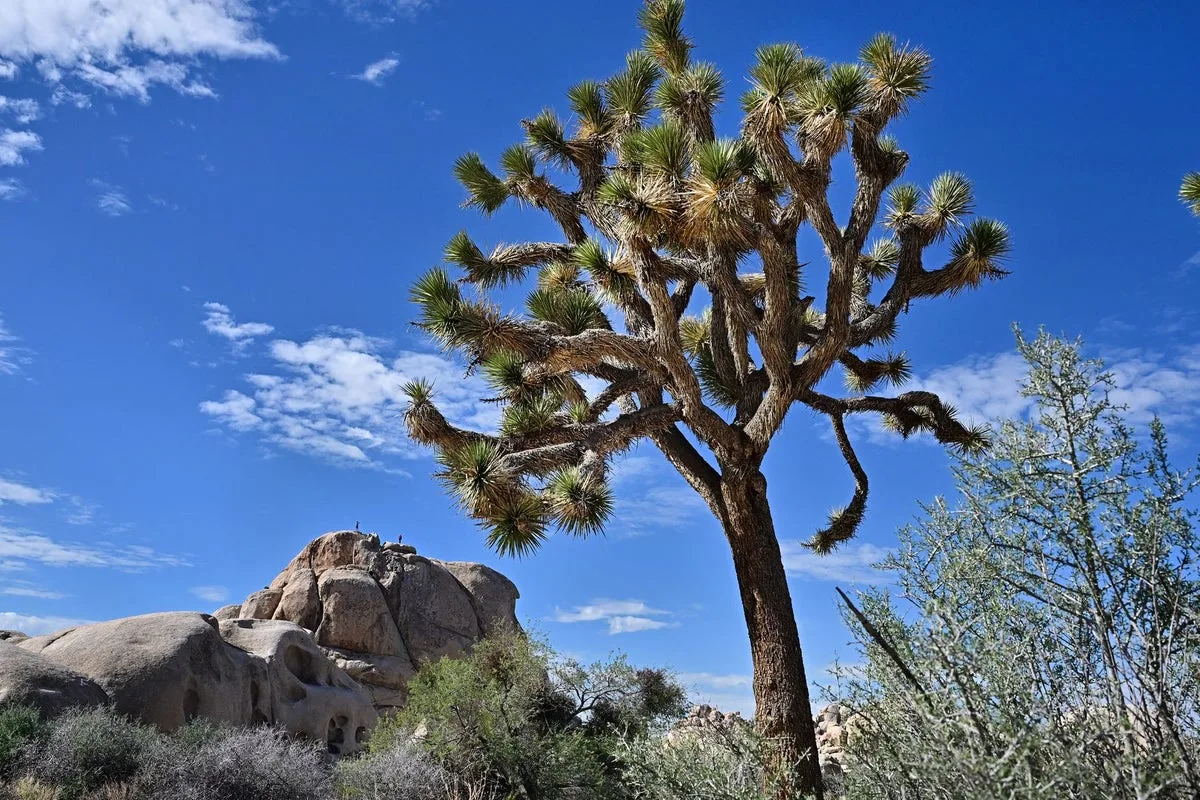
Environmental activists are expressing profound outrage after an Australian mining firm unveiled proposals to excavate for rare earth elements directly adjacent to the boundaries of Joshua Tree National Park in California. The contentious plan has ignited fierce opposition from conservationists who warn it could devastate local ecosystems and endanger the habitat of the Mojave desert tortoise, a species listed as threatened in the state.
Proposed Mining Site Threatens Iconic Landscape
Dateline Resources Ltd has staked mining claims across approximately 32 square miles of rugged desert terrain just outside the park's perimeter, situated in the Pinto mountains south of State Route 62. This area, known as Music Valley, falls within the critical habitat zone for the endangered desert tortoise and borders one of America's most revered natural reserves, established over three decades ago.
Rare Earth Elements: A High-Tech Necessity with Environmental Costs
Heavy rare earth elements (HREEs), including yttrium, lanthanum, cerium, and neodymium, are indispensable components in modern technology, utilised in manufacturing smartphones, electric vehicle motors, and advanced missile guidance systems. Currently, China dominates global HREE mining and processing, prompting bipartisan efforts in the United States to cultivate domestic supply chains amid ongoing trade tensions.
However, rare earth extraction is an intensive industrial process that can generate toxic waste and potentially release radiation, raising alarms about its environmental impact. Brendan Cummings of the Center for Biological Diversity condemned the proposal, stating, "It’s hard to think of a worse place for a massive industrial project than sensitive desert tortoise habitat on the very edge of Joshua Tree National Park."
Political and Legal Concerns Amplify Opposition
U.S. Representative Jared Huffman, the ranking Democrat on the House Natural Resources Committee, highlighted significant red flags associated with Dateline's project. He referenced the company's prior conduct in the Mojave National Preserve, accusing them of disregarding public lands, national parks, and legal regulations. "They don’t respect public lands, national parks, or the law, so there’s every reason to be deeply concerned about this proposal," Huffman asserted. "We do need domestic and critical minerals sourced from friendly countries and responsible actors, but it doesn’t mean we need them everywhere or at any cost."
Conservationists fear that if mining operations escalate, public access to the area could be restricted, springs and groundwater reservoirs might be harmed, and the landscape could undergo irreversible alterations. Joshua Tree National Park attracts around three million visitors annually, underscoring its cultural and ecological significance.
Uncertain Future for the Mining Venture
While early samples from Music Valley have indicated promising concentrations of HREEs, the project remains speculative and in the exploratory phase. Dateline Resources has not yet released a standard technical report detailing the precise HREE concentrations, a lapse noted by rare earths expert Daniel O’Connor. The company has emphasised that the venture enhances its exposure to strategic domestic supply chains for gold, uranium, and both light and heavy rare earths within the United States.
Despite these assertions, the lack of immediate response from Dateline to media inquiries has fuelled further scepticism. As debates intensify, the clash between economic imperatives and environmental preservation continues to unfold, with activists vowing to resist any development that jeopardises the fragile desert ecosystem and its iconic inhabitants.