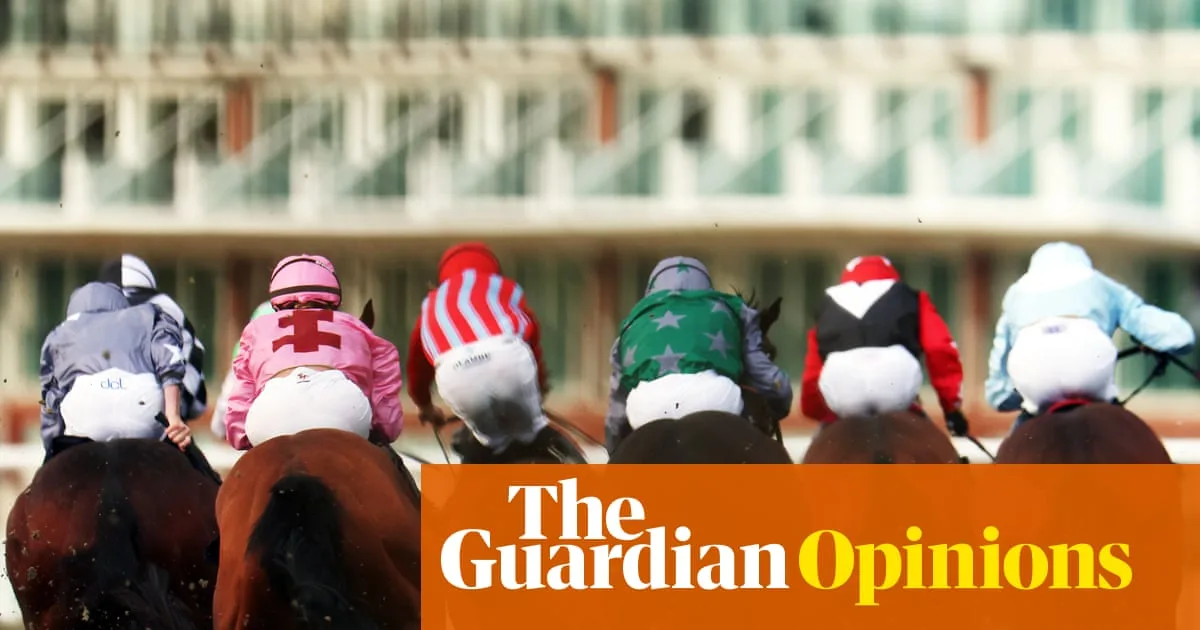
The Green Party's recent electoral gains have prompted discussions about the future of horse racing, with party figures calling for a 'conversation' on the sport. However, industry insiders argue that any debate must include those who work in and support racing, not just campaigners.
Green Party leader Zack Polanski previously suggested removing 'all animals involved in sport', while newly elected MP Hannah Spencer said a 'conversation needs to be had' after two horses died at the Grand National. Spencer described a horse 'raced to death to make money for gambling companies', using language rooted in animal rights activism.
Racing officials counter that the sport is not a blood sport, with fatal injury rates of 1 in 1,000 starts on the Flat and 5 in 1,000 over jumps. They note that racehorses are not bred to die, unlike millions of mammals killed for meat annually. The British Horse Racing Authority values the industry at £4bn to the economy, supporting 80,000 jobs and attracting nearly 5m spectators each year.

Historical antipathy towards racing is not new; MP Thomas Blake criticised it in 1878 for causing 'enormous evil' through gambling. Yet the sport has endured for centuries. While the Green Party's influence may grow, racing's deep roots and economic significance suggest it will continue to thrive, provided it maintains its focus on horse welfare.