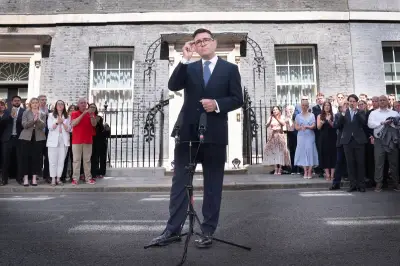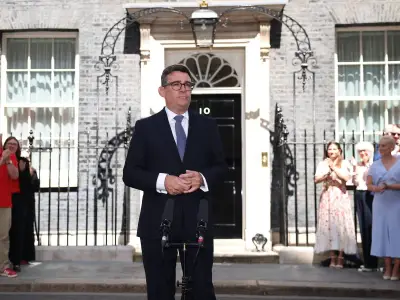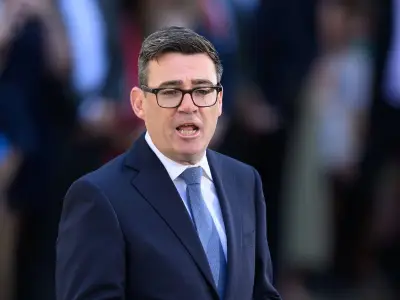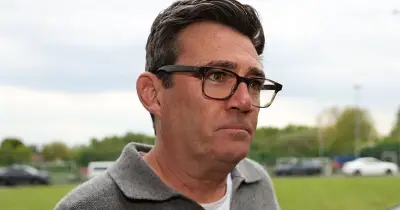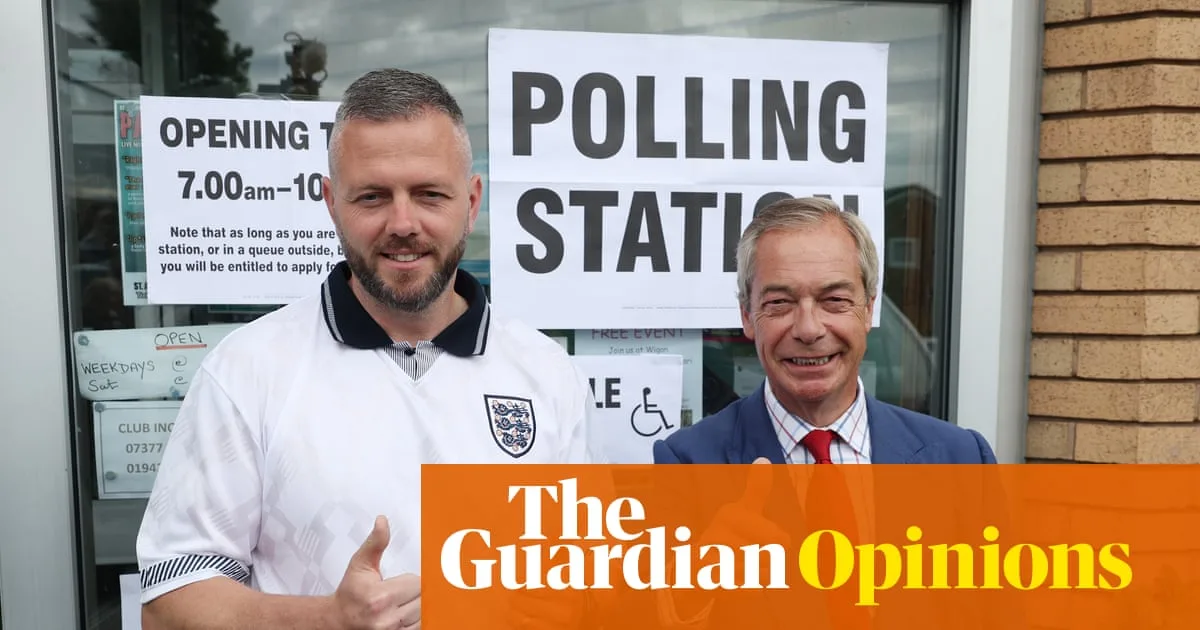
The day before the voters of Makerfield chose their new MP, I stood with my colleague on the main road through Hindley. Every few minutes, a van or small truck drew level, and there it was: a honked horn and a full-throated shout of 'Reform!' But on our side of the street was an augury of the news to come: the house of a man called Les, who had no fewer than seven placards for Rupert Lowe's new mega-right outfit, Restore Britain. 'Farage has lost it,' Les told us. The result – Labour's Andy Burnham triumphing with 55% of the vote, Reform on 35%, and Restore managing 7% – proved him right.
So have we passed 'peak Farage', yet again? The term may have first appeared in 2014, when UKIP won the most votes in European elections. More recently, Reform UK's average poll rating has fallen by around five percentage points from its late-2025 high, prompting the return of that wishful phrase. Take your pick: the arrival of Lowe's obnoxious party, more street violence, or simple Farage fatigue. You cannot style yourself as the insurgent outsider forever.
Now there is Burnham's big win, 6,100 votes ahead of Reform and Restore combined. On the face of it, Farage's party was in with what its deputy leader called a 'cracking chance': Makerfield is 97% white British and full of grievances Reform feasts on. In May, Reform managed a vote share of 50.4% in local elections, with Labour on 22.7%. The Labour win was a feat of tireless campaigning and a testament to Burnham's rare standing. For Farage, the result should cause real worry: it is his party's third by-election anticlimax in less than a year. Reform is visibly losing momentum – in this contest, it looked disoriented and incompetent.

Back in October, I watched its charisma-free candidate fail in Caerphilly. In February, tactical voting in Gorton and Denton sealed Reform's fate, helped by its bizarre choice of the un-folksy activist Matt Goodwin. In Makerfield, why did the party hurl a hopeless candidate into such a hugely important contest? Robert Kenyon had a history of stupid social media output – 'women can't ref, drive or give instructions' – and none of the requisite political skills. Beyond Reform's compact group in the Commons, how wide is its talent pool? Its fractious state in local government highlights the drawbacks of a pop-up party.
There are also tactical and strategic quandaries the party seems to have botched. Most voters will have disliked Farage's call for 'pure, cold rage' in response to the Henry Nowak video. Many will also be put off by other language he now uses to see off new rivals on the right: 'Britain is a...'