
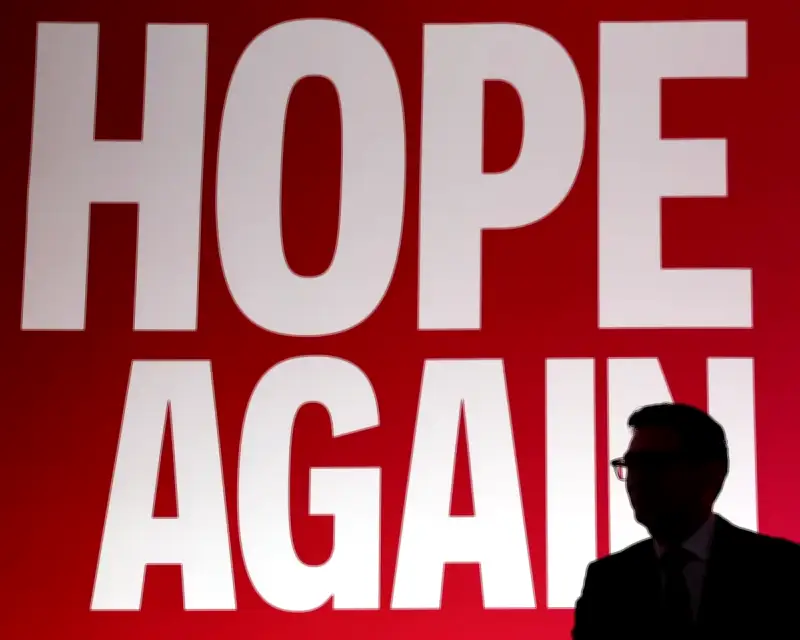
Andy Burnham's Labour party conference speech on 30 September 2026 brought some attendees to tears, particularly when he spoke about his recently deceased father. But a few others were moved by his announcement of a commission on electoral reform—shocked that a prime minister might finally follow through on long-held beliefs, even if it makes enemies and could destroy Labour's traditional path to victory.
Burnham's unusual stance on proportional representation
Burnham's support for proportional representation has always been rare among Labour politicians. He attributes it to winning the Greater Manchester mayoral election under a supplementary votes system, where voters choose first and second preferences. He said campaigning that way "finally aligned the conversation on the door with what people want from politics, which is about problem-solving first and foremost, not about point-scoring."
On the Today programme, he asked Nick Robinson: "Can we really watch a party with less than 30% walk into Downing Street?"—a clear reference to the spectre of a Reform government.
First-past-the-post distortions and public opinion
The local elections in May delivered strong results for Reform and satisfactory ones for the Liberal Democrats, reflecting how first-past-the-post rewards winners and geographical concentration. Labour won 63% of seats on 34% of votes in 2024, the largest overrepresentation ever. The Greens have long struggled to convert diffuse support into parliamentary seats.
Historically, FPTP was defended for keeping out insurgents and extremists, but that stability has proved illusory over the past decade as intra-party turmoil flourished. Once politics fragments, the system can reward short bursts of popularity with long periods of power. Public support for proportional representation has risen to an all-time high of 60% last year, up from 27% in 2011.
A risky but principled move
At a May meeting of the all-party parliamentary group for fair elections, psephologists John Curtice and Prof Tim Bale warned that you can't change the rules just because you're losing. Four months on, Labour is ahead in the polls and Reform's support is tailing off. Burnham has shown himself willing to have a thorny debate that might not serve his interests, dispersing his power because he believes in his cause persuasively.




