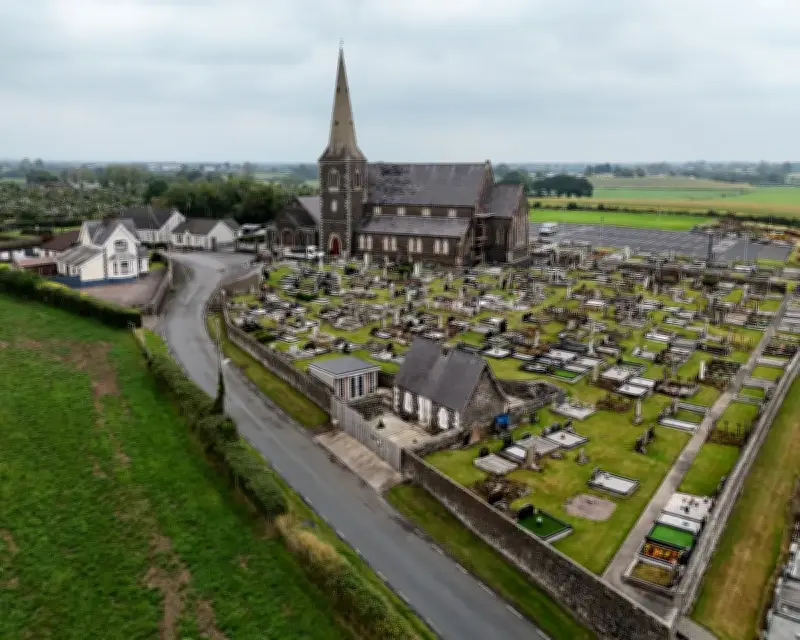
The high court in Belfast has quashed a decision by the Parades Commission to impose restrictions on the annual Orange Order parade at Drumcree, overturning a ruling it has made every year since 1998. The commission accepted its decision-making had been flawed, and one of its six commissioners, Billy Gamble, resigned.
Political Reactions Divided
Unionist parties hailed the ruling as an overdue comeuppance for the statutory body that adjudicates on contentious marches. Gavin Robinson, the Democratic Unionist party leader, said: "The outcome of the legal challenge is a totemic victory, which has laid bare why confidence in the Parades Commission has collapsed within the unionist community."
Nationalist politicians expressed foreboding. Michelle O'Neill, the Sinn Féin first minister, visited Garvaghy Road and said residents feared a return to the violence of the 1990s. "Does anybody really want to see those days? This community certainly doesn't. I certainly do not want to see those days visited upon us and I think the question here is: for the leaders of unionism, why do they want us to revisit those dark days?"

Background of the Dispute
The dispute centres on the legitimacy and workings of the Parades Commission, which adjudicates on thousands of marches each year and is credited with a dramatic reduction in parade-related disorder, though unionists have long alleged bias. The Orange Order accused the commission of a "copy and paste" response in refusing applications and of overlooking its willingness to engage with communities that oppose certain marches.
Last month, a Portadown Orangeman launched a legal challenge over the most recent decision on Drumcree, leading to Mr Justice McAlinden ruling that the commission had not followed procedure. He said: "Public administration must have the confidence of the public and that means that when errors are made, when shortcuts are taken, when sloppy procedures are manifest, those issues come to the public knowledge and appropriate corrections are made within that administrative body to ensure that such behaviour does not occur again."
Next Steps and Concerns
Unionist leaders want all commissioners to resign, but the chair, Evelyn Collins, vowed to stay and fix the problems. "We will work hard to regain the trust of all sections of the community," she said. Chris Bryant, the secretary of state for Northern Ireland, said it "simply can't function" without respect from all communities. On a visit to Belfast, the prime minister, Andy Burnham, declined to say whether commissioners should quit and called for "a calm and a measured" response.
The Orange Order signalled it would return to court if the commission rejected an application to march down Garvaghy Road next year. Analysts said assembly elections next year might tempt some nationalist and unionist parties to exploit the issue. Residents told reporters they dreaded any return to the chaos of the 1990s. The Portadown branch, known as the Vatican of Orangeism, said it was ready to engage in mediation. Breandán Mac Cionnaith of the Garvaghy Road Residents' Coalition said marches through the mainly Catholic neighbourhood "finished" in 1998 and "will not be repeated".