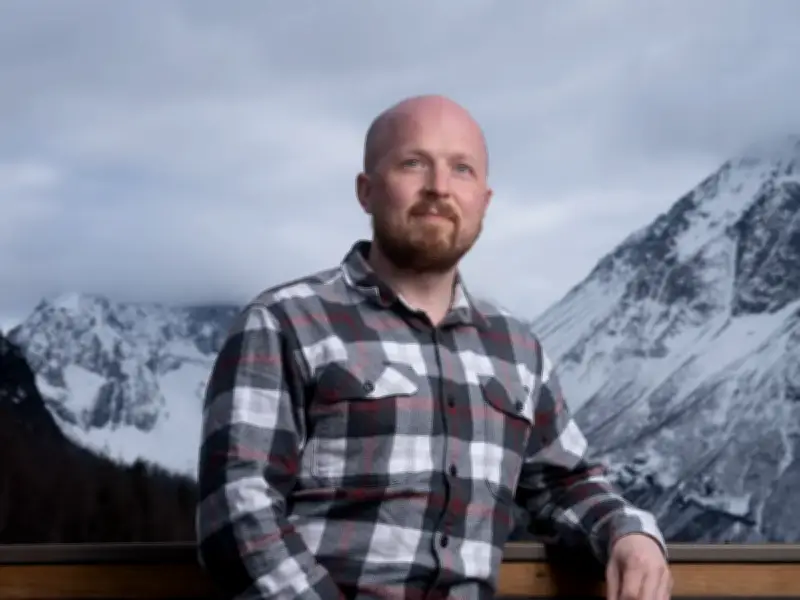
Jonathan Kreiss-Tomkins, the Democratic candidate for Alaska governor, spent four days and 450 miles traveling down the Yukon River in a flat-bottomed aluminum skiff, visiting 11 remote villages. The 37-year-old former state representative is using boats, snowmachines, and floatplanes to reach voters across the vast state, aiming to become the first Democrat to win Alaska's governor's office in nearly a generation.
“Alaskans are hungry for change,” Kreiss-Tomkins said. “We’ve been running the same campaign since we launched in February, and I don’t take anyone’s vote for granted.”
Trump's popularity collapse opens the door
Just two years after Donald Trump carried Alaska by 13 points, his approval rating there has collapsed, with a net 21- to 22-point swing, among the steepest drops in any reliably Republican state he won. In August, Kreiss-Tomkins came in first in the state's nonpartisan primary, ahead of both Democratic and Republican rivals.
Alaska's ranked-choice voting system, adopted in 2020, allows the top four candidates from an open primary to advance to the general election. Voters rank candidates by preference, and votes transfer as lower-placed contenders are eliminated. This system, combined with local frustrations, has created a potential opening for Democrats.
A recent bipartisan AARP poll found Kreiss-Tomkins winning 40% of first-choice preferences, compared with a combined 41% for his three Republican opponents: Bernadette Wilson, Dave Bronson, and Treg Taylor.
Local issues and the Republican field
The outgoing governor, Mike Dunleavy, an early supporter of Trump, leaves office deeply unpopular, largely for his unfulfilled promise to increase the amount of oil-dividend money Alaskans receive each year. This unresolved grievance now faces all three Republicans running to succeed him.
Kreiss-Tomkins argues for a permanent fund dividend that is meaningful and sustainable. “We don’t need an election-year promise that blows a hole in the budget and is mathematically impossible,” he said.
Wilson, the top-finishing Republican, casts Kreiss-Tomkins's decade in elected office and his elite educational background as liabilities. “Alaskans are looking for fresh leadership from the private sector,” she said in an emailed statement. “Not another ‘experienced’ politician who will wreck our energy economy, raise taxes, continue to fail us on the PFD, and sell out Alaska to advance their career.”
Taylor's route to the ballot has been strange: he was elevated after Tom Begich withdrew, then disqualified over an undeclared rental income disclosure, briefly replaced, and reinstated after a review.
Campaign strategy and challenges
Kreiss-Tomkins's campaign blends the Alaska tradition of “visiting” with people, sometimes aboard his skiff, with a volunteer operation called “Superpod” that ensures campaign texts reach actual humans. His emphasis on personal contact has resonated with voters like Debbie Moderow, who watched him address a crowd in Anchorage. “He was brimming with energy and wisdom, young and bright-eyed,” she said.
However, his campaign has attracted criticism over its finances, drawing substantial contributions from outside Alaska, including six-figure sums from employees of artificial intelligence companies. He has responded by emphasizing his proposed moratorium on new Alaska datacenters and his support for AI regulations.
Kreiss-Tomkins's top campaign issues are supporting schools and lowering everyday costs for Alaskans. The governor's race will test whether dissatisfaction with Trump translates into votes for Democrats and whether Alaska's ranked-choice system can accommodate three Republican candidates competing for the same voters.