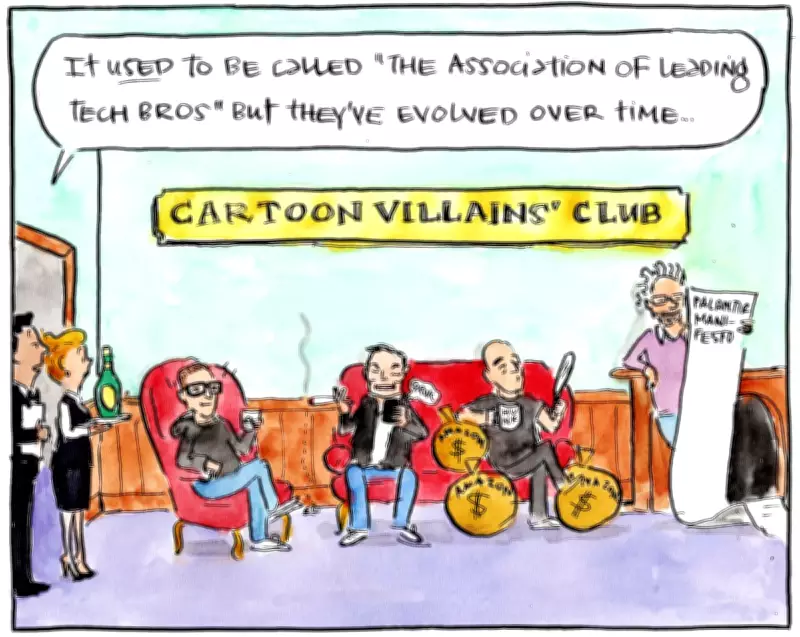
The tech industry's most prominent figures have long harboured a messianic vision of themselves as the architects of a better world. From eradicating disease to solving climate change, their ambitions are vast. Yet, a growing chorus of critics argues that this 'saviour complex' is not only misguided but potentially dangerous.
The Myth of the Benevolent Tech Lord
Silicon Valley's elite, including figures like Elon Musk and Mark Zuckerberg, present themselves as visionaries whose innovations will uplift humanity. However, this narrative often masks a reality where their companies exacerbate inequality, invade privacy, and concentrate power. The belief that technology alone can solve complex social problems ignores the need for democratic oversight and systemic change.
Philanthropy as a Power Play
The charitable endeavours of tech billionaires are frequently celebrated, but they also serve to consolidate influence. By funding initiatives in education, health, and science, they shape public policy without accountability. Critics point to examples like the Chan Zuckerberg Initiative, which, while well-intentioned, operates with minimal transparency and can sideline elected officials.

The Hubris of Techno-Solutionism
Techno-solutionism, the belief that every problem has a technological fix, is a hallmark of Silicon Valley thinking. Yet, as the pandemic has shown, vaccines alone cannot ensure equitable healthcare. Similarly, carbon capture technologies cannot replace the urgent need to reduce emissions. The focus on silver-bullet solutions diverts attention from systemic reforms.
A Call for Humility
It is time for a more humble approach from the tech industry. Rather than imposing top-down solutions, they should engage with communities, listen to experts, and accept the limits of technology. Regulation, not self-regulation, is necessary to ensure that innovation serves the public good rather than private interests.
The saviour complex of Silicon Valley is not just an annoyance; it is a threat to democracy and social justice. By challenging this narrative, we can reclaim the future from those who would shape it in their own image.