

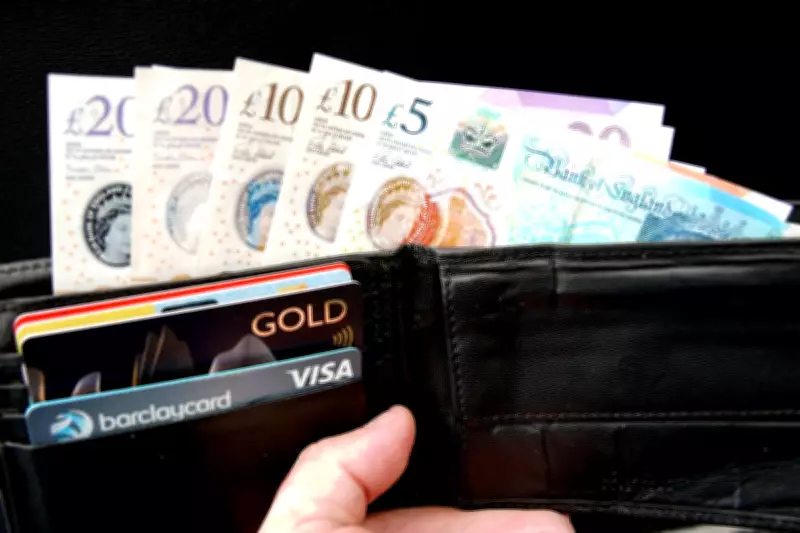
Nearly four in 10 adults have no idea how much their friends earn, according to a new survey. The research, commissioned by pension provider Aegon as part of its Money:Mindshift campaign, reveals that a significant number of people are in the dark about their friends' financial situations.
Key Findings on Earnings Perceptions
Around a quarter (25%) of adults surveyed believe their friends earn more than they do, while only 12% think they earn more than their friends. This suggests that some people may simply assume they are worse off financially. Additionally, 37% of respondents said they do not know what their friends earn at all.
Reluctance to Discuss Money
The survey indicates that seven in 10 (70%) adults avoid talking about money with friends. This reluctance is even more pronounced among neurodivergent individuals. Only 12% of adults with ADHD said nothing puts them off discussing money with friends, compared with 30% of neurotypical adults. Among autistic adults, the figure was 18%.

More than a fifth (22%) of adults with ADHD reported feeling anxious about being judged when discussing money, more than double the average across the survey (10%).
Expert Commentary
Dr Tom Mathar, head of Money:Mindshift at Aegon, commented: "When money conversations are avoided, people tend to fill the gaps with assumptions. Many quietly assume others are better off, even when that simply isn't the case. The research shows a clear link between silence and negative comparison. People often steer clear of money discussions to avoid awkwardness or fear of judgment, but that silence can undermine confidence. For neurodivergent people especially, money can feel like a high-risk topic. Concerns about being judged or misunderstood can make staying silent feel safer, but silence often fuels unnecessary self-doubt."
Survey Methodology
Aegon's Money:Mindshift programme commissioned Opinium to survey 2,000 people across the UK in April. The findings highlight the emotional, social, and behavioural factors shaping people's attitudes to money.






