

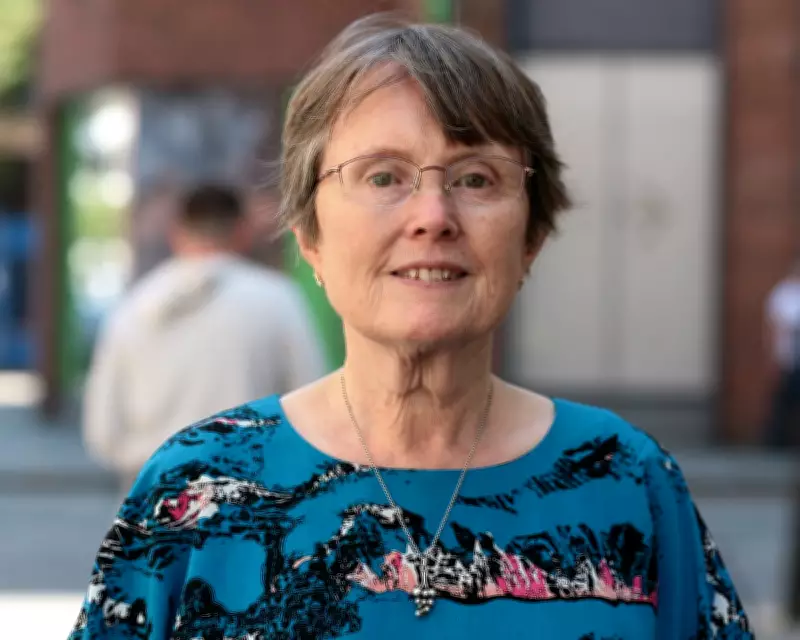
Head of Carer's Allowance Inquiry Blames DWP 'Resistance' for Failure to Fix Crisis
Liz Sayce, the head of an official inquiry into carer's allowance, has sharply criticised what she termed "forces of resistance" within the Department for Work and Pensions (DWP). These internal barriers have significantly undermined ministerial attempts to address long-standing and deeply problematic issues with the much-criticised benefit system.
Sayce, whose comprehensive review of carer's allowance overpayments was published in November, revealed to MPs on the work and pensions select committee that instead of taking ownership of the systemic failures, some DWP officials actively sought to "minimise" the extent of the department's shortcomings. They also attempted to deflect blame for the escalating crisis away from the institution and onto the carers themselves.
A Legacy of Systemic Failure and Human Suffering
The crisis stems from what an award-winning Guardian investigation exposed last year: DWP failures led to hundreds of thousands of unpaid carers inadvertently accumulating massive debts. These individuals became trapped in an opaque, poorly administered, and punitive system that operated, as the review described, like being "at the whim of a faceless machine."

The consequences have been severe and far-reaching. Many carers suffered serious ill-health due to the stress and financial strain, and hundreds were wrongfully convicted of benefit fraud over a period of years. Sayce's review firmly placed the blame on "systemic" issues within the DWP, emphasising that carers should not be held responsible for falling foul of complex and confusing benefit rules.
Surprise at Years of Ignored Warnings
During her testimony, Sayce expressed surprise that for years, the DWP had repeatedly ignored glaring problems, even after an internal whistleblower had identified serious shortcomings with the carer's allowance. When asked by committee chair Debbie Abrahams about whether attitudes had changed at the DWP, Sayce reported a mixed picture.
"I came across people in the department who wanted to learn and change," she said, "but I also came across what I called 'forces of resistance.'"
This resistance was starkly illustrated by an internal DWP blogpost, written by director general Neil Couling just days after Sayce's report was published. The blogpost, which distressed Sayce, insisted—contrary to the review's conclusions and government policy—that carers were ultimately to blame for their debts.
"I was really distressed by that blog," Sayce told MPs. "What you were hoping for from senior people was to share the seriousness of this—what has been learned, what is going to be put right. Not attempt to minimise or again place responsibility back on the carers, as if it was their fault."
A Call for Cultural Overhaul and Systematic Reform
When questioned by Liberal Democrat MP John Milne about a potential "culture problem" at the DWP, Sayce acknowledged that some senior figures were serious about change. However, she noted a persistent tendency to downplay errors.
"I felt that sometimes there was almost a kind of effort to minimise what had gone wrong," she observed.
Sayce argued that senior leaders must unequivocally own the problems, clearly explain what went wrong, and drive a fundamental cultural shift to ensure reforms are effectively implemented.
"The senior team needs to be on that case. It needs to be a bit more systematic than just good intent," she stressed. "This is about making sure there's a join-up and the real values of serving people, and the purposes of carer's allowance, are front and centre and constantly reinforced from senior people right across the department."
Leadership Under Scrutiny Amidst Ongoing Criticism
The DWP's leadership has faced intense scrutiny in recent weeks. Earlier this month, permanent secretary Sir Peter Schofield announced he would step down in July for personal reasons after eight years in the role, though the department stated his departure was unrelated to the carer's allowance scandal.

MPs have repeatedly criticised the DWP hierarchy for what they label "unacceptable behaviour" in handling the scandal. Abrahams has accused Schofield of overseeing a "culture of complacency," highlighting the urgent need for accountability and transformative action to restore public trust in the benefits system.





